The digital commerce landscape continues to evolve rapidly, and choosing the right platform to build your online store has become more critical than ever. The Shopify ecommerce website builder stands out as one of the most comprehensive solutions available, offering businesses of all sizes the tools necessary to establish, grow, and scale their online presence. From small startups to enterprise-level operations, understanding how this platform works can determine the success of your digital commerce strategy.
Understanding the Shopify Ecommerce Website Builder Platform
The Shopify ecommerce website builder has established itself as a leading solution in the online retail space, powering over 4.4 million stores globally. This cloud-based platform provides an all-in-one approach to digital commerce, eliminating the need for separate hosting, security management, or technical infrastructure maintenance.
What sets this platform apart is its comprehensive ecosystem. Unlike traditional website builders that require multiple integrations, the Shopify ecommerce website builder includes native functionality for inventory management, payment processing, shipping calculations, and customer relationship management. This integrated approach reduces complexity and creates a seamless experience for both store owners and customers.
Core Platform Components
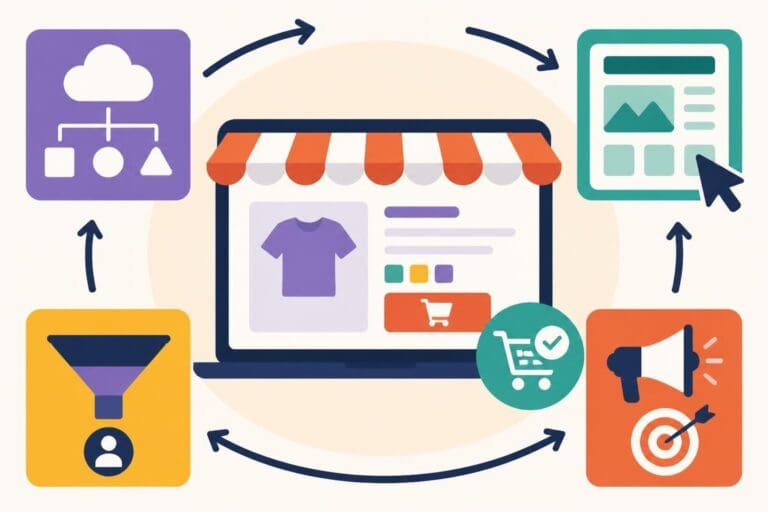
The platform architecture consists of several interconnected systems:
- Store management dashboard for centralized control of all operations
- Product catalog system supporting unlimited SKUs and variants
- Checkout infrastructure with optimized conversion pathways
- Marketing automation tools for customer engagement
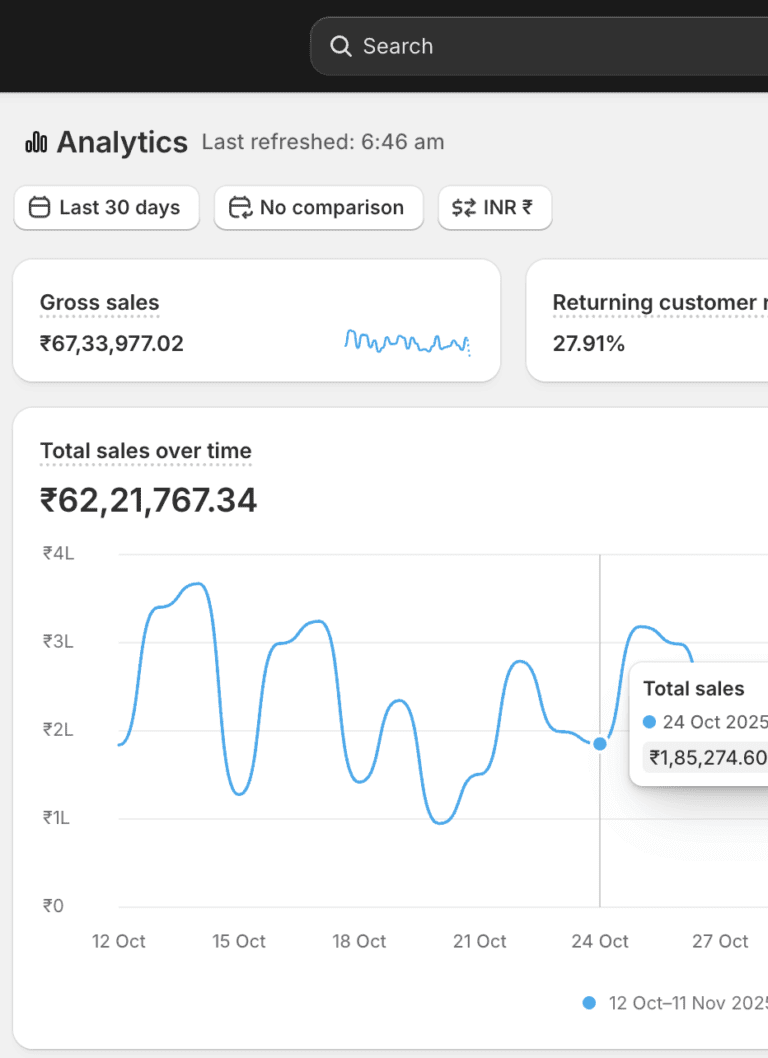
- Analytics engine providing real-time performance insights
- Mobile commerce capabilities ensuring responsive experiences
The platform processes billions in transactions annually, demonstrating its reliability and scalability. According to detailed platform reviews, businesses appreciate the balance between powerful functionality and user-friendly interfaces.
Building Your Store: The Development Process
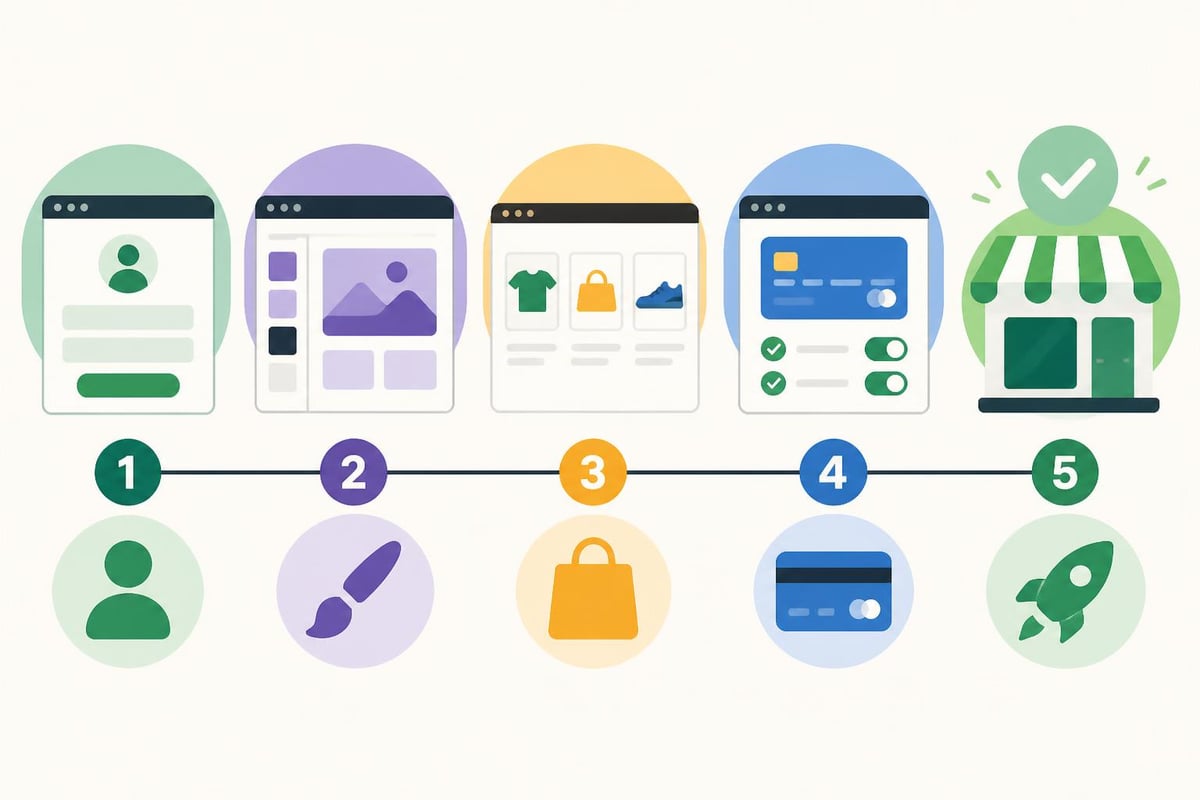
Creating an online store involves multiple phases, and the Shopify ecommerce website builder streamlines this journey through structured workflows. The development process typically begins with account setup and progresses through design implementation, product configuration, and launch preparation.
Initial Setup and Configuration
The foundation of any successful store starts with proper configuration. Account creation takes minutes, but strategic planning ensures long-term success.
| Setup Phase | Key Activities | Time Investment |
|---|---|---|
| Account Creation | Domain selection, business details, initial preferences | 30-60 minutes |
| Theme Selection | Reviewing options, choosing design direction | 2-4 hours |
| Store Configuration | Payment gateways, shipping zones, tax settings | 3-6 hours |
| Product Upload | Catalog creation, descriptions, imagery | Variable |
The theme ecosystem offers both free and premium options. While built-in themes provide solid starting points, businesses seeking differentiated brand experiences often benefit from professional development approaches. WebzPlot’s Shopify development service focuses on creating conversion-optimized stores that align with specific brand requirements and business objectives, ensuring every element supports revenue generation.
Design and Brand Implementation
Visual identity plays a crucial role in ecommerce success. The Shopify ecommerce website builder provides extensive customization options through its theme editor, allowing businesses to modify layouts, colors, typography, and functionality without coding knowledge.
Modern stores require mobile-first design approaches. With mobile commerce accounting for over 70% of online shopping traffic, responsive design is non-negotiable. The platform automatically optimizes layouts for different screen sizes, ensuring consistent experiences across devices.
Advanced customization involves:
- Theme structure modification using Liquid templating language
- Section development for modular page building
- App integration to extend native functionality
- Performance optimization ensuring fast load times
- Accessibility implementation meeting WCAG standards
Essential Features for Ecommerce Success
The platform's feature set extends far beyond basic store functionality. Understanding these capabilities helps businesses leverage the full potential of the Shopify ecommerce website builder.
Product Management and Merchandising
Effective product presentation directly impacts conversion rates. The platform supports complex product architectures including variants, bundles, and subscription models.
Inventory tracking happens automatically across all sales channels. When a product sells through your online store, social media shop, or marketplace integration, inventory updates in real-time preventing overselling situations. This centralized inventory management proves invaluable for businesses operating across multiple channels.
Advanced merchandising features include:
- Smart collections that automatically organize products based on rules
- Metafield support enabling additional product data storage
- 3D model integration for enhanced product visualization
- Video embedding bringing products to life
- Digital product delivery through automated systems
Payment and Checkout Optimization
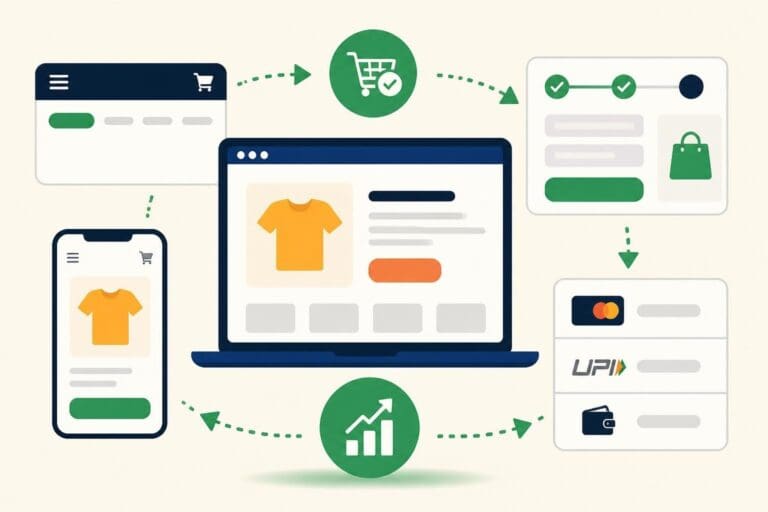
The checkout experience determines whether browsers become buyers. The Shopify ecommerce website builder includes a highly optimized checkout system that has undergone years of conversion rate testing.
| Payment Feature | Business Benefit | Impact on Conversion |
|---|---|---|
| Shopify Payments | Eliminate third-party fees | Reduced costs |
| Express checkout | One-click purchasing | 30% faster checkout |
| Multiple currencies | Global customer support | International expansion |
| Abandoned cart recovery | Recapture lost sales | 10-15% revenue recovery |
Payment gateway flexibility ensures global reach. The platform integrates with over 100 payment providers, enabling businesses to accept credit cards, digital wallets, and regional payment methods specific to target markets.
Marketing and Growth Tools
Building a store represents just the beginning. The Shopify ecommerce website builder includes comprehensive marketing capabilities designed to drive traffic and increase sales.
Built-In Marketing Features
Email marketing integration allows direct customer communication without third-party platforms. The system includes:
- Automated email campaigns for welcome series, abandoned carts, and post-purchase follow-up
- Customer segmentation based on purchase history and behavior
- Discount code generation with flexible rules and limitations
- Gift card functionality encouraging repeat purchases
- Product reviews and ratings building social proof
Search engine optimization features are integrated throughout the platform. Editable title tags, meta descriptions, URL structures, and automatic sitemap generation ensure stores meet technical SEO requirements. The platform also generates structured data markup, helping search engines understand product information.

Analytics and Performance Tracking
Data-driven decision making separates successful stores from struggling ones. The analytics dashboard provides insights into:
- Traffic sources showing where visitors originate
- Conversion funnels revealing drop-off points
- Customer behavior patterns informing merchandising decisions
- Product performance metrics highlighting bestsellers and underperformers
- Financial reporting tracking revenue, profits, and margins
Advanced merchants leverage Google Analytics integration for deeper behavioral insights. The platform's reporting API also enables external business intelligence tools to access store data.
Scalability and Enterprise Capabilities
As businesses grow, platform limitations often necessitate costly migrations. The Shopify ecommerce website builder scales from startup to enterprise without requiring platform changes.
Growing from Standard to Plus
The standard platform serves most small to medium businesses effectively. However, high-volume operations eventually require enhanced capabilities. For established brands processing significant transaction volumes, Shopify Plus Development provides enterprise-level infrastructure with dedicated support, advanced customization options, and specialized features designed for complex business operations.
Enterprise features include:
- Unlimited staff accounts supporting large teams
- Advanced automation through Shopify Flow
- Wholesale channel capabilities separating B2B and B2C operations
- Exclusive checkout customization unavailable on standard plans
- Higher API rate limits supporting complex integrations
Performance at Scale
Platform performance remains consistent regardless of catalog size or traffic volume. The infrastructure automatically scales during traffic spikes, preventing downtime during promotional periods or viral moments.
| Performance Metric | Standard Plan | Plus Plan | Enterprise Benefit |
|---|---|---|---|
| Maximum Products | Unlimited | Unlimited | No catalog restrictions |
| Concurrent Users | Auto-scaling | Auto-scaling | No traffic limits |
| API Call Rate | Standard | Elevated | Complex integrations |
| Support Response | Email/Chat | Dedicated | Priority assistance |
Integration Ecosystem and Extensibility
No single platform provides every conceivable feature. The app marketplace extends functionality through thousands of integrations covering specialized needs.
Popular Integration Categories
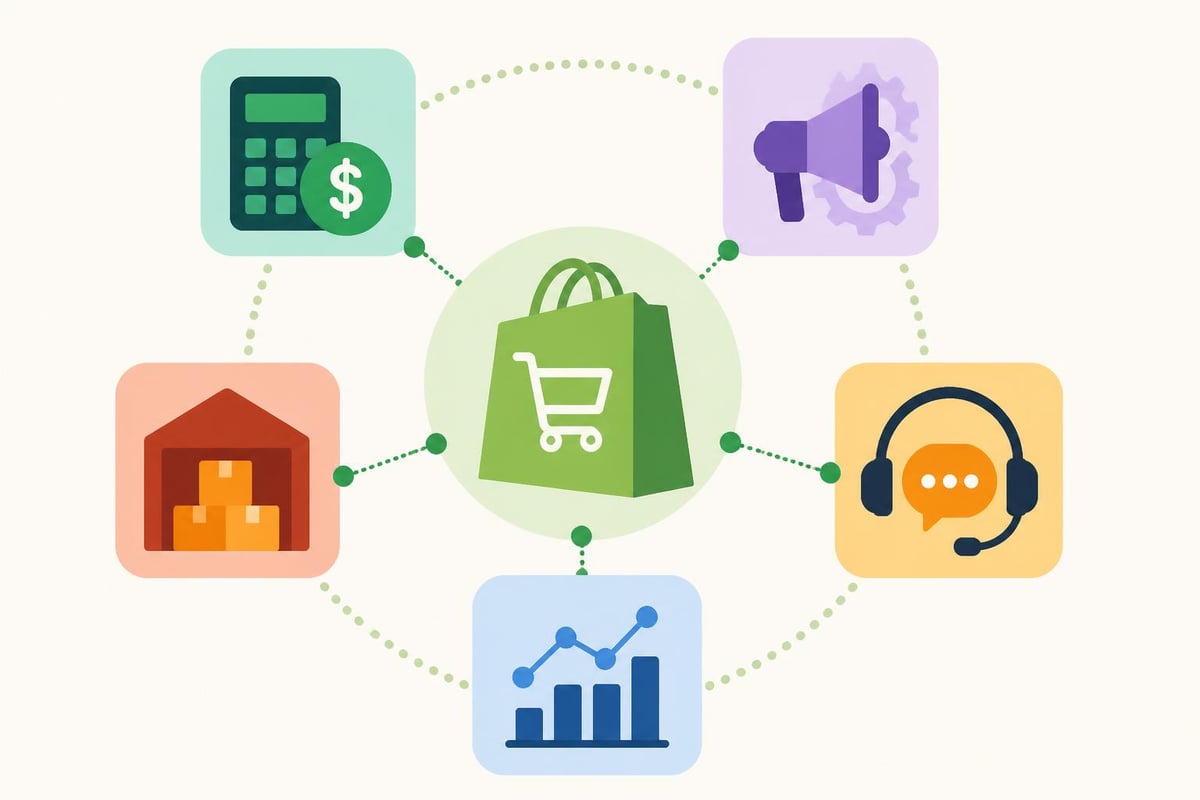
The Shopify ecommerce website builder supports integrations across multiple business functions:
- Accounting systems like QuickBooks and Xero for financial management
- Shipping carriers providing real-time rates and label printing
- Email marketing platforms such as Klaviyo and Mailchimp
- Customer service tools including Zendesk and Gorgias
- Inventory management for multi-warehouse operations
- Loyalty programs encouraging repeat purchases
API access enables completely tailored integrations. Businesses with unique requirements can develop proprietary connections to internal systems, third-party platforms, or specialized tools. The REST and GraphQL APIs provide comprehensive access to store data and functionality.
Custom Functionality Development
While apps solve common needs, distinctive competitive advantages often require specialized development. The platform's architecture supports extensive customization through:
- Theme development creating unique user experiences
- Private app creation for business-specific functionality
- Headless commerce implementations separating frontend and backend
- Progressive web app (PWA) development enhancing mobile experiences
- Custom checkout extensions optimizing conversion pathways
Security and Compliance Considerations
Ecommerce platforms handle sensitive customer information, making security paramount. The Shopify ecommerce website builder includes enterprise-grade security measures protecting both merchants and customers.
Built-In Security Features
All stores include Level 1 PCI DSS compliance automatically. This certification represents the highest security standard for payment card processing, typically requiring significant investment and ongoing maintenance when self-hosted. The platform handles security updates, SSL certificates, and infrastructure hardening without merchant intervention.
Additional security measures include:
- Fraud analysis tools flagging suspicious orders
- Two-factor authentication protecting admin access
- Automated backups preventing data loss
- DDoS protection maintaining availability during attacks
- Regular security audits by third-party experts
Privacy and Data Protection
Global privacy regulations like GDPR and CCPA impose strict requirements on customer data handling. The platform provides tools supporting compliance including:
- Customer data export capabilities fulfilling access requests
- Data deletion workflows honoring erasure requests
- Cookie consent management ensuring legal compliance
- Privacy policy generators creating compliant documentation
Comparing Platform Options
The ecommerce platform landscape includes numerous alternatives, each with distinct advantages. Understanding how different ecommerce site builders compare helps businesses make informed decisions aligned with their specific requirements and growth trajectories.
Shopify Versus Competitors
| Feature | Shopify | WooCommerce | BigCommerce | Wix |
|---|---|---|---|---|
| Hosting | Included | Self-managed | Included | Included |
| Setup Complexity | Low | High | Medium | Low |
| Scalability | Excellent | Variable | Excellent | Limited |
| App Ecosystem | 8,000+ apps | Plugins | 1,000+ apps | Limited |
| Transaction Fees | Optional | Depends | None | Applies |
The choice depends on specific business contexts. Technical teams comfortable with server management might prefer WordPress with WooCommerce, while businesses prioritizing simplicity and reliability often choose hosted solutions like the Shopify ecommerce website builder.
Cost Considerations and ROI
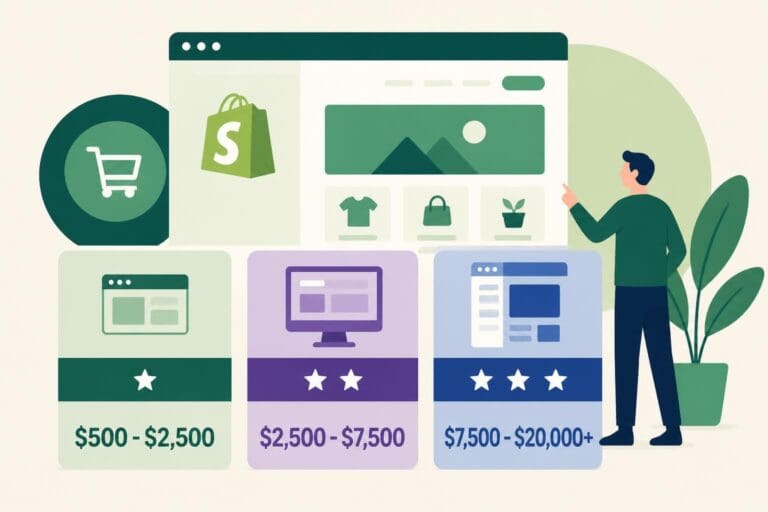
Platform pricing involves multiple components beyond base subscription fees. Understanding total cost of ownership ensures accurate budgeting and ROI calculations.
Pricing Structure Breakdown
Monthly subscription fees range from $39 for basic plans to enterprise-level Plus pricing starting at $2,300. However, true costs include:
- Theme purchases ranging from free to $350
- App subscriptions averaging $20-$200 monthly per app
- Transaction fees unless using Shopify Payments
- Development costs for customization and integration
- Marketing expenses driving traffic and sales
Return on investment extends beyond revenue generation. Time savings from automated processes, reduced technical overhead, and integrated functionality create operational efficiencies that improve profitability even beyond direct sales impact.
Mobile Commerce and Omnichannel Selling
Modern consumers shop across multiple devices and channels. The Shopify ecommerce website builder supports omnichannel commerce through unified inventory and order management.
Multichannel Sales Integration
Connect your store to:
- Social commerce platforms including Facebook, Instagram, and TikTok
- Marketplace integrations for Amazon, eBay, and Walmart
- Point of sale systems connecting physical and digital retail
- Buy button embeds adding commerce to any website
- Wholesale channels separating B2B from consumer sales
Inventory synchronizes across all channels automatically. When products sell through any channel, stock levels update everywhere simultaneously, preventing overselling and reducing manual reconciliation work.
International Expansion Capabilities
Global commerce requires specialized functionality supporting multiple currencies, languages, and regional requirements. The platform includes features facilitating international growth.
Multi-Market Features
International selling involves complexities beyond translation:
- Multi-currency support displaying prices in customer currencies
- International domains with country-specific URLs
- Localized checkout in customer languages
- Regional pricing adjusting for market conditions
- Duty and import tax calculation preventing surprise costs
Language translation can be automated or manually controlled. Apps provide machine translation for rapid deployment, while manual translation ensures cultural appropriateness and brand voice consistency.
Technical Performance and Speed Optimization
Site speed directly impacts both conversion rates and search rankings. The Shopify ecommerce website builder includes performance optimizations at the infrastructure level, but additional strategies enhance speed further.
Performance Best Practices
Achieving optimal load times requires attention to:
- Image optimization through compression and modern formats
- Lazy loading implementation deferring off-screen content
- Code minimization reducing file sizes
- App audit removing unnecessary integrations
- Content delivery network utilization serving assets from edge locations
Studies consistently show that each second of load time reduction increases conversion rates by approximately 7%. Performance optimization represents one of the highest-ROI improvements possible.
Professional Development and Agency Support
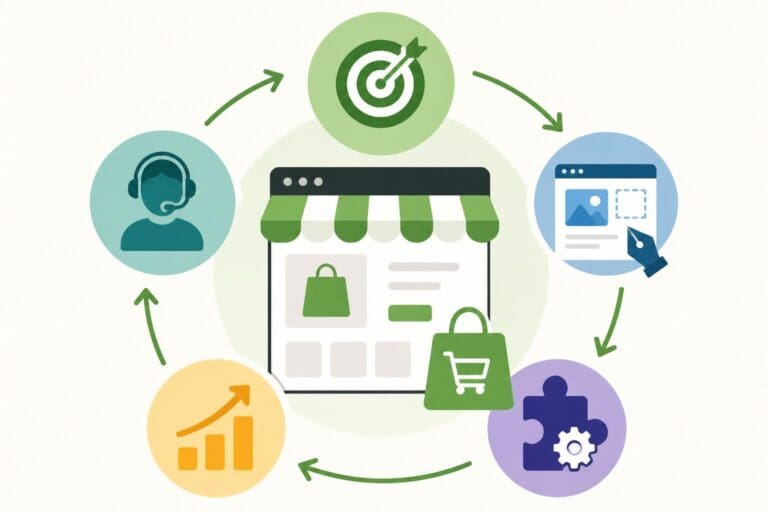
While the platform enables DIY store creation, businesses focused on maximizing results often engage specialized development partners. Professional agencies bring expertise in conversion optimization, technical implementation, and strategic planning.
Partnering with experienced developers accelerates time-to-market and improves initial launch quality. Rather than learning through trial and error, businesses benefit from proven frameworks and best practices refined across hundreds of store implementations. Agencies also provide ongoing optimization, ensuring stores evolve with changing consumer behaviors and platform capabilities.
Working with specialists also unlocks advanced capabilities that typical merchants struggle to implement independently, including complex integrations, performance tuning, and sophisticated marketing automation.
The Shopify ecommerce website builder provides a comprehensive foundation for businesses entering or expanding in digital commerce. Its combination of ease-of-use, powerful features, and scalability makes it suitable for operations ranging from first-time sellers to established brands processing millions in annual revenue. Whether you're launching your first online store or seeking to optimize an existing operation, WebzPlot specializes in creating high-converting, CRO-optimized Shopify stores that drive measurable business growth. Our team combines technical expertise with data-driven marketing strategies to help businesses maximize their ecommerce potential and achieve sustainable online success.