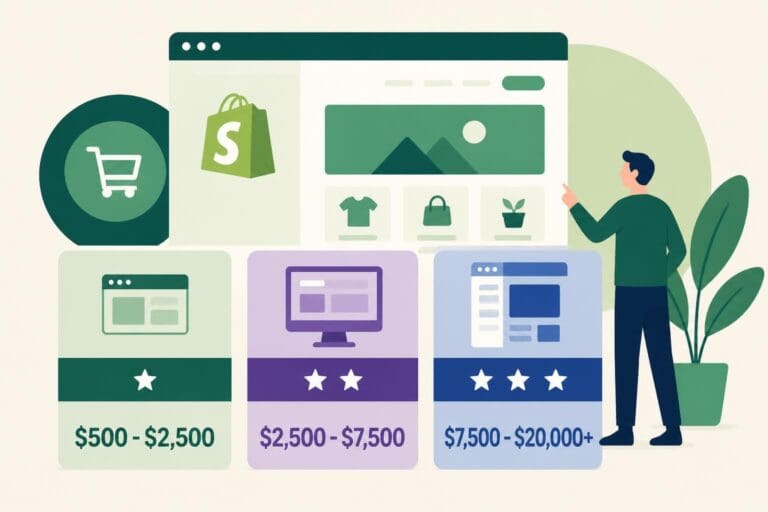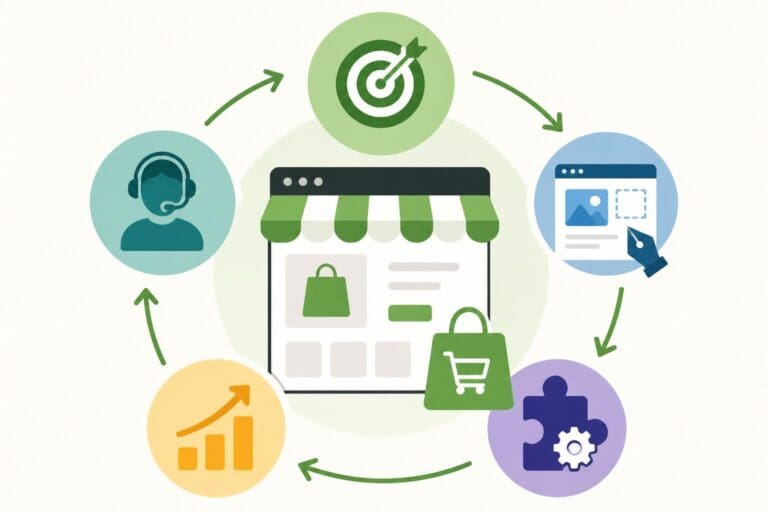
Enterprise brands require robust e-commerce platforms that can handle high transaction volumes, complex workflows, and sophisticated customer experiences. Shopify Plus development has emerged as the preferred solution for businesses ready to scale beyond basic storefronts, offering advanced customization capabilities and enterprise-grade infrastructure. With growing demands for omnichannel presence and personalized shopping experiences, understanding the full scope of Shopify Plus development becomes essential for brands aiming to compete at the highest level.
Understanding Enterprise E-Commerce Requirements
Modern enterprise brands face unique challenges that standard e-commerce platforms struggle to address. High-volume merchants need platforms capable of processing thousands of transactions per minute without performance degradation. Additionally, enterprise businesses often operate across multiple markets, currencies, and languages, requiring sophisticated localization capabilities.
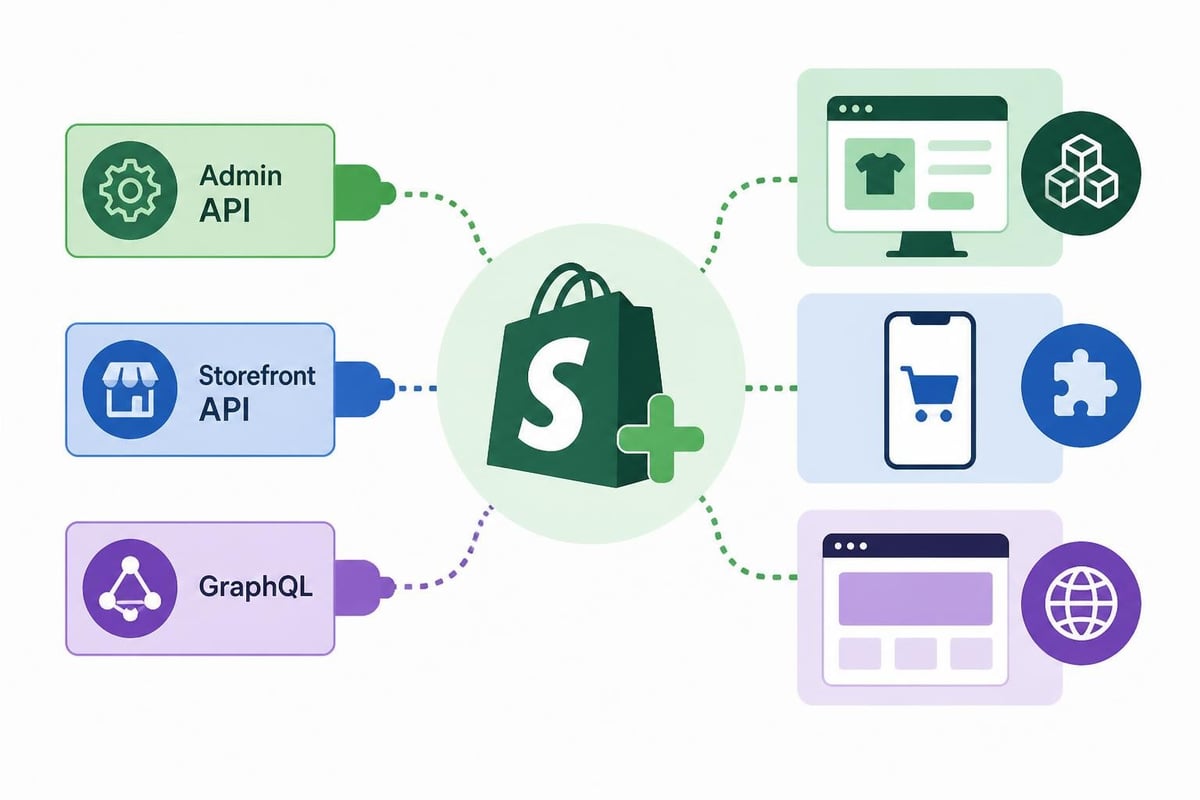
The complexity extends beyond basic selling functionality. Enterprise merchants demand seamless integrations with ERP systems, advanced inventory management, custom B2B portals, and intricate pricing structures. Shopify Plus development addresses these requirements through its robust API ecosystem and flexible architecture.
Platform Capabilities and Limitations
When evaluating Shopify Plus development for enterprise needs, understanding both capabilities and constraints proves crucial:
Key Capabilities:
- Unlimited bandwidth and 99.99% uptime guarantee
- Advanced API rate limits (10,000 requests per second)
- Dedicated infrastructure with enhanced security
- Access to exclusive APIs and development tools
- Multi-store management from unified dashboard
Technical Considerations:
- Checkout customization options through Scripts and Functions
- Headless commerce support via Storefront API
- Advanced automation through Shopify Flow
- Custom app development for unique business logic
- Wholesale channel for B2B operations
| Feature | Standard Shopify | Shopify Plus |
|---|---|---|
| API Rate Limit | 2 requests/second | 10,000 requests/second |
| Staff Accounts | 15 | Unlimited |
| Automation Tools | Limited | Shopify Flow included |
| Checkout Customization | Template only | Scripts & Functions |
| Dedicated Support | No | 24/7 priority support |
Enterprise brands evaluating their options must consider both immediate needs and future growth trajectories. The investment in Shopify Plus development makes sense when transaction volumes exceed 800,000 annually or when complex business requirements demand extensive customization capabilities.
Development Architecture and Best Practices
Shopify Plus development requires a strategic approach to architecture that balances performance, maintainability, and scalability. Unlike standard Shopify stores, enterprise implementations demand careful planning around custom functionality, integrations, and future expansion needs.
Theme Development Strategy
Building high-performance themes for Shopify Plus involves understanding Liquid templating limitations and optimization opportunities. Developers must structure themes to minimize render-blocking resources while maintaining design flexibility for marketing teams.
Performance Optimization Techniques:
- Implement lazy loading for images and non-critical content
- Minimize JavaScript bundle sizes through code splitting
- Utilize Shopify CDN effectively for asset delivery
- Optimize Liquid loops and conditional logic
- Leverage browser caching strategies
The best practices for Shopify development emphasize clean code architecture and performance-first thinking. Theme developers should prioritize mobile experiences, considering that mobile commerce accounts for over 70% of e-commerce traffic in 2026.
Custom Application Development
Many enterprise requirements exceed native platform capabilities, necessitating custom application development. Shopify Plus development teams build private apps that extend functionality for specific business needs.
Common custom application scenarios include:
- Advanced product configurators with real-time pricing
- Complex subscription management beyond standard apps
- Custom reporting and analytics dashboards
- Proprietary inventory management systems
- Specialized B2B ordering workflows
When approaching custom application development, teams should evaluate whether to build embedded apps that run within the Shopify admin or standalone applications that integrate via API. The official Shopify performance guidelines provide essential benchmarks for maintaining responsive applications that don't degrade merchant experience.
Advanced Customization Techniques
Shopify Plus development unlocks customization possibilities unavailable on standard plans. These capabilities enable brands to differentiate their customer experiences and implement sophisticated business logic that drives conversion and retention.
Checkout Extensibility
The checkout represents the most critical conversion point in any e-commerce funnel. Shopify Plus development provides multiple approaches to checkout customization, each suited to different requirements.
Checkout Customization Methods:
- Shopify Scripts: Ruby-based logic for cart discounts and shipping calculations
- Shopify Functions: Rust-based performance optimizations for checkout logic
- Checkout Extensibility API: Modern approach for UI extensions and payment customization
- Plus Scripts: Exclusive access to line item, shipping, and payment scripts
Scripts enable sophisticated discounting logic based on customer tags, cart contents, or custom metafields. For example, implementing tiered wholesale pricing that automatically adjusts based on customer group and order quantity becomes straightforward with proper script development.
| Customization Type | Use Case | Performance Impact |
|---|---|---|
| Line Item Scripts | Product bundles, volume discounts | Minimal |
| Shipping Scripts | Custom carrier calculations | Low |
| Payment Scripts | Hide/show payment methods | Minimal |
| Functions | High-performance discounting | Near-zero |
Understanding when to leverage each customization approach requires balancing functionality against checkout speed. Every millisecond added to checkout increases abandonment risk, making performance optimization paramount in Shopify Plus development.
Integration Architecture
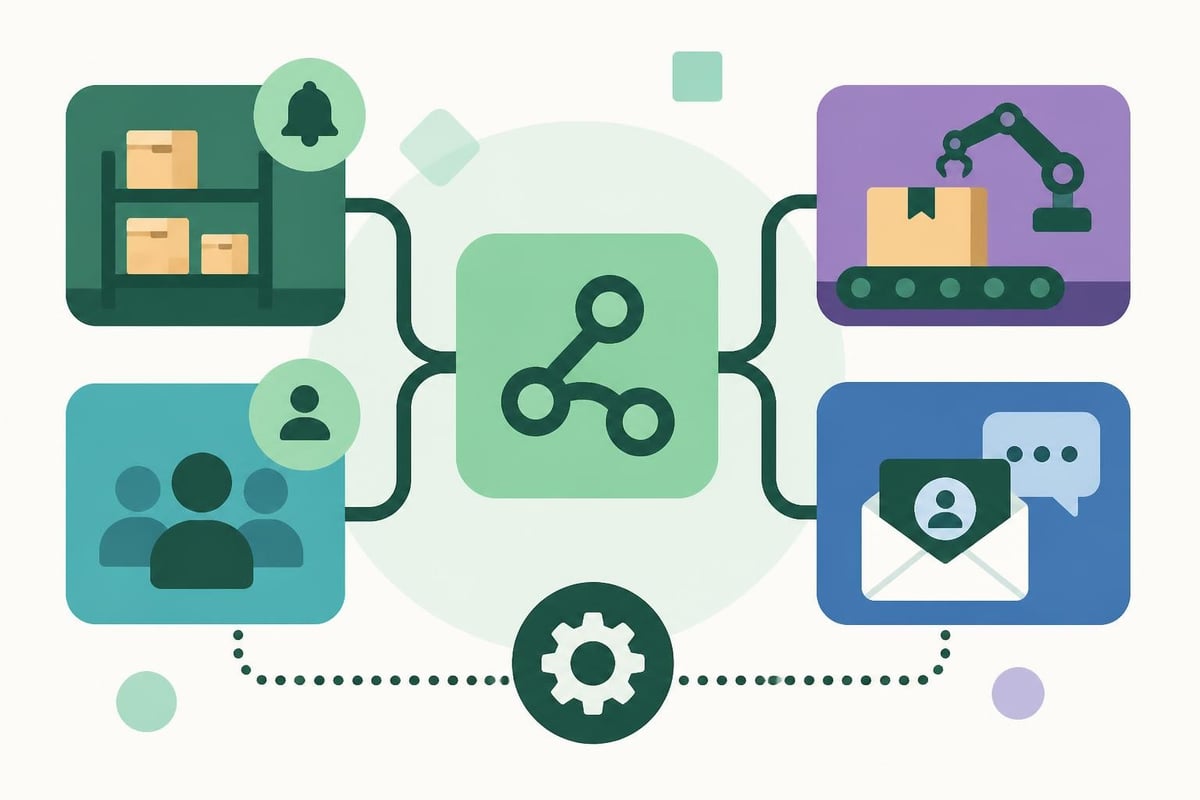
Enterprise brands operate complex technology ecosystems requiring seamless data flow between systems. Shopify Plus development teams architect integration solutions that maintain data consistency while minimizing latency.
Critical Integration Points:
- ERP Systems: Real-time inventory synchronization and order processing
- CRM Platforms: Customer data enrichment and segmentation
- Marketing Automation: Behavioral triggers and personalized campaigns
- Analytics Platforms: Comprehensive attribution and conversion tracking
- Fulfillment Networks: Multi-warehouse routing and 3PL coordination
When implementing integrations, developers choose between real-time webhooks and scheduled synchronization based on data criticality and volume. Webhook-based architectures provide immediate updates but require robust error handling and retry logic.
WebzPlot's approach to Shopify Plus Development emphasizes building resilient integration frameworks that scale with business growth. Our teams implement monitoring and alerting systems that proactively identify integration failures before they impact operations.
Performance Optimization Strategies
Site speed directly correlates with conversion rates and customer satisfaction. Research consistently shows that every 100ms delay in page load time reduces conversion by approximately 7%. Shopify Plus development must prioritize performance at every layer.
Front-End Optimization
Modern web performance extends beyond simple page load metrics. Core Web Vitals have become ranking factors, making metrics like Largest Contentful Paint (LCP), First Input Delay (FID), and Cumulative Layout Shift (CLS) crucial for both user experience and SEO.
Optimization Checklist:
- Implement next-gen image formats (WebP, AVIF)
- Minimize third-party script impact through facade patterns
- Optimize font loading with font-display strategies
- Reduce main-thread blocking time through async JavaScript
- Implement predictive prefetching for likely navigation paths
The challenge in Shopify Plus development involves balancing marketing requirements with performance. Marketing teams often request numerous tracking pixels, personalization engines, and social proof widgets. Each addition impacts performance, requiring careful evaluation of ROI versus speed degradation.
Back-End Performance
While Shopify's hosted infrastructure handles most back-end scaling, Shopify Plus development teams must optimize custom applications and integrations for performance.
Server-Side Optimization Priorities:
- Cache expensive computations using Shopify's built-in caching
- Batch API requests to minimize round-trips
- Implement GraphQL queries strategically to fetch exact data needed
- Optimize database queries in custom apps
- Leverage edge computing for geographically distributed customers
Analyzing performance optimization case studies reveals that systematic optimization typically improves conversion rates by 15-30%. These improvements compound across thousands of sessions, generating substantial revenue increases for high-volume merchants.
B2B and Wholesale Capabilities
The distinction between B2C and B2B e-commerce continues blurring as manufacturers and distributors embrace digital channels. Shopify Plus development enables sophisticated B2B experiences that rival specialized wholesale platforms.
Wholesale Channel Implementation
Shopify Plus includes native wholesale channel functionality, but most enterprise implementations require additional customization to match complex B2B workflows.
B2B Feature Requirements:
- Customer-specific pricing tiers and catalogs
- Quote generation and approval workflows
- Purchase order payment terms
- Minimum order quantities and multiples
- Account-based ordering for buying groups
Developing B2B portals on Shopify Plus requires understanding both technical implementation and business process mapping. Successful implementations mirror existing offline processes while introducing efficiency improvements that drive adoption.
| B2B Feature | Implementation Method | Complexity |
|---|---|---|
| Tiered Pricing | Customer tags + Scripts | Medium |
| Quote System | Custom app | High |
| Net Terms | Payment gateway integration | Medium |
| Quick Order | Theme customization | Low |
| Account Management | Metafields + custom app | High |
The most successful B2B implementations on Shopify Plus seamlessly blend self-service capabilities with assisted selling. Sales representatives need tools to manage accounts, create custom quotes, and process orders on behalf of customers.
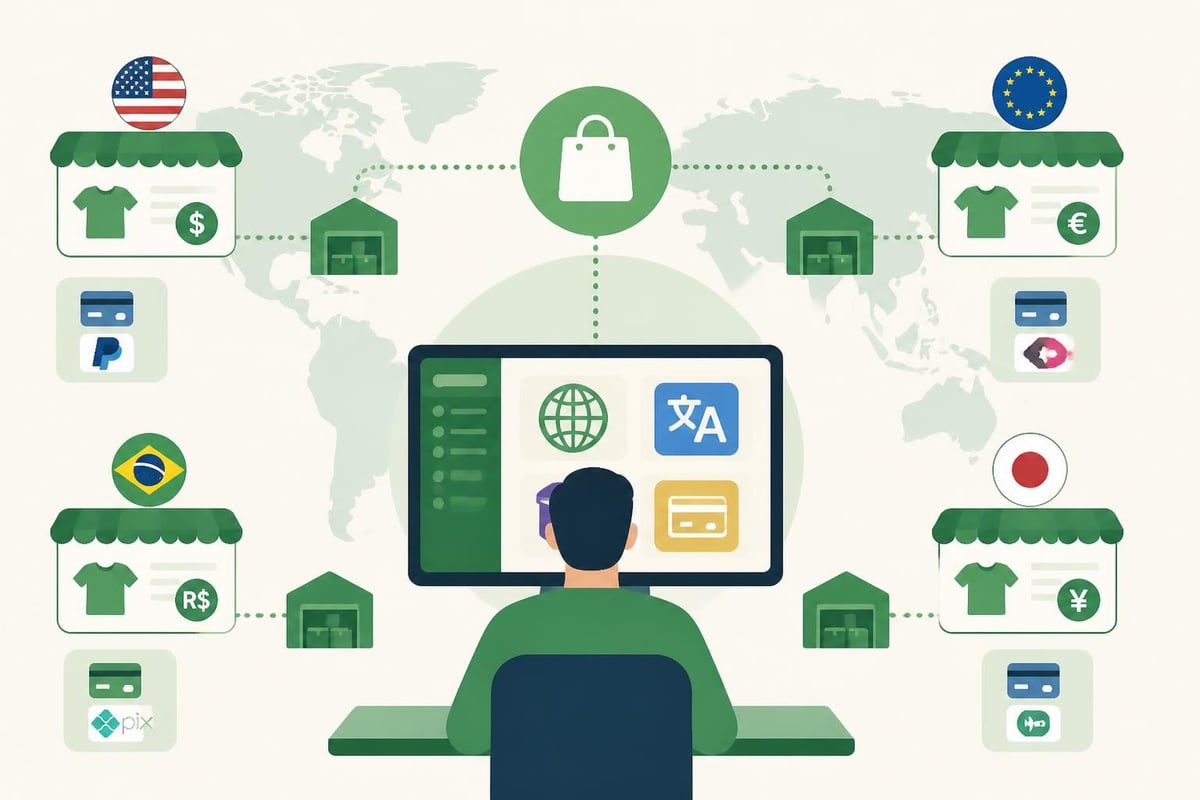
Multi-Store and International Expansion
Enterprise brands frequently operate multiple storefronts serving different markets, brands, or business models. Shopify Plus development teams architect multi-store solutions that balance operational efficiency with market-specific customization.
Multi-Store Architecture Approaches:
- Separate Stores: Complete isolation with duplicated themes and apps
- Shared Resources: Common product catalog with localized storefronts
- Headless Federation: Single front-end consuming multiple Shopify backends
- Expansion Stores: Linked stores sharing certain configurations
Choosing the optimal architecture depends on factors including inventory management, pricing complexity, and operational workflows. Brands selling identical products across markets typically benefit from shared catalog approaches, while diverse product lines favor separate store architecture.
Headless Commerce Implementation
Headless architecture separates front-end presentation from back-end commerce logic, enabling unprecedented flexibility in customer experience design. Shopify Plus development increasingly embraces headless approaches for brands requiring unique experiences across touchpoints.
Storefront API and GraphQL
The Storefront API provides the foundation for headless Shopify Plus development, exposing commerce functionality through a performant GraphQL interface. This API enables custom front-ends built with modern frameworks like React, Vue, or Next.js.
Headless Architecture Benefits:
- Complete design freedom unconstrained by Liquid templating
- Optimized performance through static generation and edge caching
- Unified experience across web, mobile apps, and IoT devices
- Progressive Web App capabilities with offline functionality
- Advanced personalization through custom data layers
Implementing headless commerce requires balancing development complexity against experience advantages. Successful headless implementations typically involve larger brands with sophisticated development resources and clear differentiation strategies.
Technology Stack Considerations
Building headless storefronts on Shopify Plus involves selecting appropriate technologies for front-end rendering, hosting, and content management.
Common Technology Combinations:
- Next.js + Vercel: Server-side rendering with edge caching
- Gatsby + Netlify: Static generation for content-heavy sites
- Nuxt + Cloudflare: Vue-based applications with global distribution
- React Native: Mobile applications with native performance
Each stack offers trade-offs between development velocity, performance characteristics, and operational complexity. Teams must evaluate these factors against business requirements and available technical expertise.
Conversion Rate Optimization Through Development
Technical implementation directly impacts conversion performance. Shopify Plus development teams must think beyond functionality to consider how every technical decision affects user behavior and conversion likelihood.
Trust Signal Implementation
Enterprise customers expect professional, trustworthy shopping experiences. Shopify Plus development enables sophisticated trust signal implementation that reduces purchase anxiety.
Technical Trust Elements:
- SSL certificates and security badges properly displayed
- Real-time inventory availability and shipping estimates
- Customer review aggregation and display optimization
- Live chat integration with intelligent routing
- Detailed product information architecture
The presentation of trust signals requires careful UX consideration. Overloading pages with security badges and guarantees can appear desperate, while subtle implementation builds confidence without distraction.
Personalization Engine Development
Modern consumers expect personalized experiences reflecting their preferences and behavior. Shopify Plus development teams implement personalization through various technical approaches.
Personalization Implementation Tiers:
- Basic: Product recommendations based on browsing history
- Intermediate: Dynamic content blocks based on customer segments
- Advanced: AI-driven experience optimization with real-time testing
- Enterprise: Cross-channel personalization with predictive modeling
Implementing effective personalization requires collecting appropriate data while respecting privacy regulations. GDPR, CCPA, and similar privacy frameworks mandate explicit consent and data handling transparency, requiring careful technical implementation.
Development Team Structure and Workflows
Successful Shopify Plus development requires assembling teams with diverse skill sets and establishing workflows that balance speed with quality.
Essential Team Roles
Enterprise e-commerce projects demand specialized expertise across multiple disciplines:
- Front-End Developers: Theme development, JavaScript applications, performance optimization
- Back-End Developers: Custom apps, API integrations, data synchronization
- UX/UI Designers: Experience design, conversion optimization, accessibility
- Project Managers: Timeline coordination, stakeholder communication, requirement gathering
- QA Engineers: Testing automation, cross-browser validation, performance auditing
The optimal team size scales with project complexity and timeline constraints. Most enterprise Shopify Plus development projects require 4-8 dedicated resources during active development phases.
Development and Deployment Workflows
Professional Shopify Plus development follows structured workflows that minimize risk while enabling rapid iteration.
Standard Development Workflow:
- Local development using Shopify CLI and theme tools
- Feature branch creation in version control (Git)
- Code review and automated testing
- Deployment to staging environment for client review
- User acceptance testing with defined test cases
- Production deployment during low-traffic windows
- Post-deployment monitoring and rollback capability
Implementing continuous integration and deployment (CI/CD) pipelines automates testing and deployment processes. These pipelines catch errors early while accelerating feature delivery to production environments.
SEO Optimization for Enterprise Stores
Search engine optimization takes on added complexity at enterprise scale. Shopify Plus development must address technical SEO requirements while enabling content teams to optimize effectively.
Technical SEO Foundation
Shopify Plus provides solid technical SEO foundations, but enterprise implementations require additional optimization to compete in crowded markets.
Critical Technical SEO Elements:
- XML sitemap optimization for large catalogs
- Structured data markup for rich search results
- Canonical URL management across variants
- International SEO with hreflang implementation
- Page speed optimization meeting Core Web Vitals
- Mobile-first indexing compatibility
The unique SEO considerations for Shopify Plus extend beyond basic optimization. Enterprise stores must manage thousands or millions of URLs while preventing duplicate content issues and maintaining crawl efficiency.
Content Architecture for Scalability
Large product catalogs require thoughtful information architecture that serves both users and search engines. Shopify Plus development teams implement faceted navigation, filtering systems, and category structures that enable product discovery.
Scalable Content Strategies:
- Automated product description generation with quality controls
- Category page optimization with unique content blocks
- Blog integration for content marketing initiatives
- User-generated content collection and display
- Internal linking automation based on product relationships
Balancing automation with quality remains challenging at enterprise scale. Successful implementations combine automated frameworks with human oversight ensuring brand consistency and content quality.
Migration and Platform Transition
Many Shopify Plus development projects involve migrating from legacy platforms like Magento, BigCommerce, or proprietary systems. These migrations require careful planning to minimize disruption while capturing improvement opportunities.
Migration Planning Framework
Successful platform migrations follow structured approaches addressing data, functionality, and experience continuity.
Migration Phase Breakdown:
- Discovery: Audit existing functionality, data structures, and integrations
- Architecture: Design target state addressing known limitations
- Data Mapping: Define transformation logic for products, customers, orders
- Development: Build new experiences and custom functionality
- Testing: Validate data accuracy and functionality completeness
- Deployment: Execute cutover with minimal downtime
- Optimization: Refine based on real-world usage patterns
| Migration Element | Complexity | Risk Level | Timeline Impact |
|---|---|---|---|
| Product Data | Medium | Low | 2-4 weeks |
| Customer Data | High | Medium | 3-6 weeks |
| Order History | Medium | Low | 2-3 weeks |
| SEO Preservation | High | High | Ongoing |
| Custom Features | Variable | Medium | 4-12 weeks |
The most critical migration consideration involves maintaining SEO equity built over years. Proper URL mapping, redirect implementation, and timing coordination prevent traffic loss during transition periods.
Post-Migration Optimization
Migration presents opportunities to eliminate accumulated technical debt and implement modern best practices. Shopify Plus development teams should treat migrations as transformation projects rather than like-for-like platform swaps.
Optimization Opportunities:
- Streamline checkout flow based on current best practices
- Implement mobile-first responsive design
- Modernize search and filtering capabilities
- Enhance product imagery and media
- Optimize site speed and Core Web Vitals
These improvements compound migration ROI, often delivering conversion increases that justify the project investment within months.
Security and Compliance Considerations
Enterprise brands face heightened security and compliance requirements. Shopify Plus development must address these concerns through proper implementation and configuration.
Security Best Practices
While Shopify's infrastructure provides robust security foundations, Shopify Plus development teams must implement additional measures for sensitive implementations.
Security Implementation Checklist:
- Two-factor authentication enforcement for all staff accounts
- API credential rotation and secure storage practices
- PCI DSS compliance for payment processing
- Regular security audits of custom applications
- Penetration testing for high-risk implementations
Custom application development introduces security risks that require vigilance. Developers must sanitize inputs, validate outputs, and follow secure coding practices throughout implementation.
Privacy Regulation Compliance
Global privacy regulations like GDPR, CCPA, and PIPEDA mandate specific technical implementations around data collection, storage, and processing.
Privacy Compliance Requirements:
- Cookie consent management with granular controls
- Data subject access request handling workflows
- Right to deletion implementation across systems
- Data processing agreement documentation
- Cross-border data transfer mechanisms
Shopify Plus development teams implement privacy controls that meet regulatory requirements while minimizing friction for legitimate users. The balance between compliance and user experience requires careful consideration of regional regulations and user expectations.
Analytics and Reporting Infrastructure
Data-driven decision making requires robust analytics infrastructure capturing detailed behavioral and transactional data. Shopify Plus development enables sophisticated tracking implementations that provide actionable insights.
Analytics Implementation Strategy
Enterprise analytics extend beyond basic Google Analytics implementation. Shopify Plus development teams implement multi-layered tracking that captures granular interaction data.
Analytics Layer Architecture:
- Server-side tracking for accurate conversion attribution
- Client-side behavioral tracking with privacy controls
- Custom event tracking for unique interaction patterns
- Enhanced e-commerce tracking across customer journey
- Cross-domain tracking for multi-site experiences
Implementing server-side tracking through Shopify's pixel API improves data accuracy by bypassing ad blockers and browser restrictions. This approach provides cleaner attribution data for marketing optimization.
Custom Reporting Development
Standard analytics platforms often lack flexibility for enterprise-specific reporting needs. Shopify Plus development includes building custom dashboards that surface relevant metrics for different stakeholders.
Custom Reporting Focus Areas:
- Executive dashboards with high-level KPIs and trends
- Marketing attribution showing channel effectiveness
- Operations metrics tracking fulfillment and inventory
- Product performance analysis identifying opportunities
- Customer segmentation reporting for lifecycle marketing
Building custom reporting typically involves extracting data via Shopify's Admin API, transforming it for analysis, and visualizing through tools like Tableau, Power BI, or custom dashboards.
Ongoing Maintenance and Evolution
Launching a Shopify Plus store represents the beginning rather than end of the development journey. Successful enterprise e-commerce requires continuous optimization and feature evolution.
Maintenance Requirements
Professional Shopify Plus development includes ongoing maintenance ensuring platform stability, security, and performance.
Monthly Maintenance Activities:
- Theme and app updates with compatibility testing
- Performance monitoring and optimization
- Security patch application and vulnerability scanning
- Backup verification and disaster recovery testing
- Analytics review and reporting
Establishing clear maintenance procedures prevents technical debt accumulation that degrades performance and increases future development costs. Regular attention to platform health enables sustainable long-term growth.
Continuous Improvement Methodology
Leading e-commerce brands embrace continuous improvement cultures that systematically test hypotheses and implement winning variations.
Optimization Testing Framework:
- Data analysis identifying improvement opportunities
- Hypothesis formation with expected impact estimates
- Test design with proper control groups
- Implementation using A/B testing tools
- Statistical analysis determining significance
- Documentation and learning capture
- Winning variation implementation
This scientific approach to optimization compounds gains over time. Small 2-3% conversion improvements across multiple site areas generate substantial revenue increases for high-volume merchants.
Future-Proofing Enterprise Commerce
Technology evolution continues accelerating, requiring Shopify Plus development that anticipates future requirements while delivering immediate value.
Emerging Technology Integration
Forward-thinking brands explore emerging technologies that enhance customer experiences and operational efficiency.
Technology Trends Shaping 2026:
- Augmented reality for product visualization
- Voice commerce through smart assistants
- Social commerce integration with native checkout
- Cryptocurrency payment acceptance
- AI-powered customer service automation
Implementing emerging technologies requires balancing innovation with proven ROI. Pilot programs allow testing new capabilities with limited risk before full-scale deployment.
Scalability Planning
Enterprise brands must architect Shopify Plus development with future scale in mind. Systems designed for current volumes often struggle as businesses grow.
Scalability Considerations:
- Database design supporting 10x product catalog growth
- API architecture handling increased integration volume
- Caching strategies for traffic spikes
- Content delivery optimization for global expansion
- Search infrastructure supporting larger catalogs
Building scalable systems from inception costs marginally more than minimum viable implementations but prevents expensive rebuilds as businesses grow. This forward-thinking approach delivers long-term cost efficiency and competitive advantage.
Shopify Plus development represents a strategic investment for enterprise brands committed to e-commerce excellence. By implementing advanced customization, integration architecture, and performance optimization, businesses create competitive advantages that drive sustainable growth. Whether you're migrating from legacy platforms, expanding internationally, or optimizing existing operations, professional development expertise makes the difference between adequate and exceptional outcomes. WebzPlot specializes in building high-converting, CRO-optimized Shopify Plus stores that transform enterprise e-commerce performance, combining technical excellence with strategic insight to deliver measurable business results.