The direct-to-consumer revolution has fundamentally transformed how brands connect with their customers. Gone are the days when businesses needed traditional retail partnerships to reach their audience. Today’s D2C brands are building empires from their laptops, creating personalized shopping experiences that legacy retailers can only dream of replicating.
But here’s the thing: behind every successful D2C brand is a powerful e-commerce platform making it all possible. And if you’ve been paying attention to the D2C landscape, you’ve probably noticed a pattern—Shopify dominates the space like no other platform.
Why? That’s exactly what we’re diving into today.
The D2C Revolution: Why Your Platform Choice Matters More Than Ever
Before we compare platforms, let’s talk about what makes D2C brands different. Direct-to-consumer isn’t just a business model; it’s a complete paradigm shift in how commerce works.
Traditional retail relies on intermediaries—wholesalers, distributors, retailers. Each layer adds cost and distance between you and your customer. D2C brands eliminate these middlemen, selling directly to consumers through their own channels. This creates unprecedented opportunities:
- Higher profit margins without wholesale markups
- Direct customer relationships that fuel retention and lifetime value
- Complete brand control over messaging and experience
- First-party data that informs product development and marketing
- Agility to test, iterate, and scale rapidly
But here’s the catch: to capitalize on these advantages, you need an e-commerce platform that’s purpose-built for the D2C model. Your CMS choice isn’t just a technical decision—it’s a strategic one that will impact everything from your launch timeline to your five-year growth trajectory.
Understanding the E-commerce CMS Landscape: Your Major Options
The e-commerce CMS market is crowded, and each platform promises to be the “best” solution. Let’s cut through the noise and examine the real contenders for D2C brands:
Shopify: The D2C Powerhouse
Shopify has become synonymous with D2C success, powering everyone from garage startups to billion-dollar brands like Allbirds, Gymshark, and Fashion Nova. It’s a fully hosted, SaaS-based platform that handles everything from hosting to security to payment processing.
WooCommerce: The WordPress Solution
As the most popular WordPress plugin for e-commerce, WooCommerce appeals to brands already invested in the WordPress ecosystem. It’s technically “free” (though you’ll pay for hosting, security, and extensions) and offers extensive customization through its open-source nature.
Magento (Adobe Commerce): The Enterprise Heavyweight
Magento positions itself as the enterprise solution for complex, high-volume businesses. Now owned by Adobe, it offers deep customization capabilities but comes with significant technical overhead and costs.
BigCommerce: The SaaS Alternative
BigCommerce markets itself as Shopify’s main competitor in the SaaS e-commerce space, offering similar functionality with some unique features around multi-channel selling and B2B capabilities.
Custom Solutions: The Build-It-Yourself Approach
Some brands opt to build completely custom e-commerce platforms from scratch, giving them ultimate flexibility but requiring massive technical investment and ongoing maintenance.
Now, let’s examine why, despite all these options, D2C brands consistently gravitate toward Shopify.
Why Shopify Has Become the D2C Platform of Choice: A Deep Dive
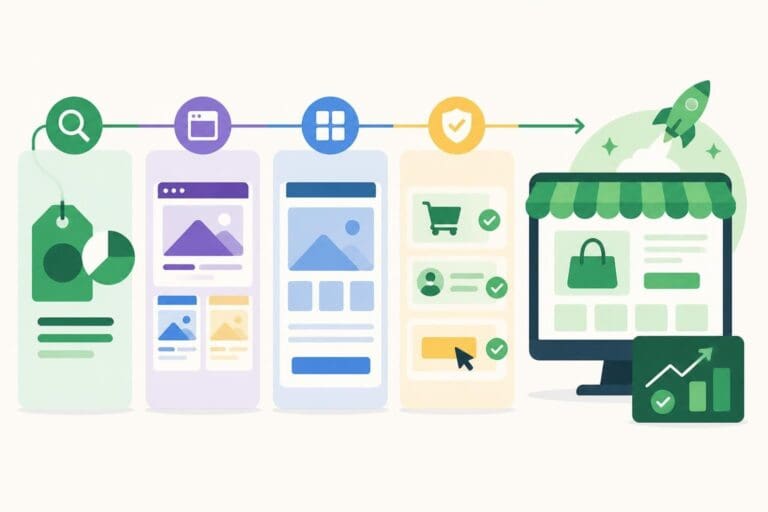
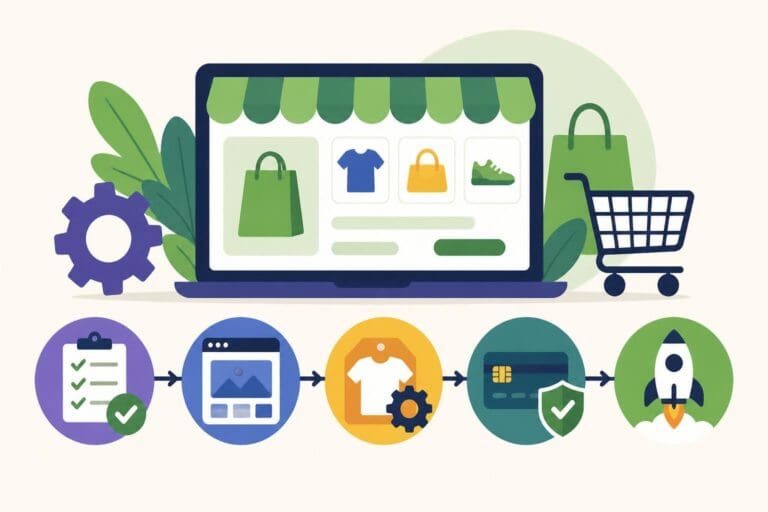
1. Speed to Market: Launch Your Brand in Days, Not Months
When you’re launching a D2C brand, timing is everything. Market opportunities close, trends shift, and capital runs dry. Shopify understands this urgency.
With Shopify, you can go from concept to live store in a matter of days. The platform provides:
- Pre-built, conversion-optimized themes that look professional out of the box
- Intuitive drag-and-drop customization that doesn’t require coding knowledge
- Built-in payment processing through Shopify Payments
- Automatic SSL certificates for secure transactions
- Mobile-responsive designs by default
- One-click app installations for extended functionality
Compare this to WooCommerce, where you’re juggling hosting providers, security certificates, payment gateway integrations, and plugin compatibility issues. Or Magento, where you’ll need a development team and 3-6 months just to get a basic store running.
For D2C brands testing product-market fit, Shopify’s speed-to-market advantage is invaluable. You can validate your concept and start generating revenue while competitors are still debugging their checkout flows.
2. Predictable, Scalable Pricing: Know Your Costs as You Grow
D2C brands need to manage cash flow carefully, especially in the early stages. Shopify’s transparent, tiered pricing structure eliminates surprises:
- Basic Shopify: $39/month – Perfect for new brands
- Shopify: $105/month – For growing businesses
- Advanced Shopify: $399/month – For scaling operations
- Shopify Plus: Custom pricing (typically $2,000+/month) – For enterprise brands
This pricing includes hosting, security, updates, and core functionality. You know exactly what you’re paying and can budget accordingly.
Contrast this with WooCommerce, where “free” quickly becomes expensive once you factor in:
- Premium hosting ($30-500+/month)
- Security plugins and SSL certificates ($50-200/year)
- Premium themes ($60-200)
- Essential plugins ($200-1,000+/year)
- Developer hours for setup and maintenance ($5,000-50,000+)
Or Magento, where licensing, hosting, and development costs can easily reach $50,000-250,000 annually, even for mid-sized stores.
Shopify’s all-inclusive pricing means D2C brands can focus on growth, not infrastructure costs.
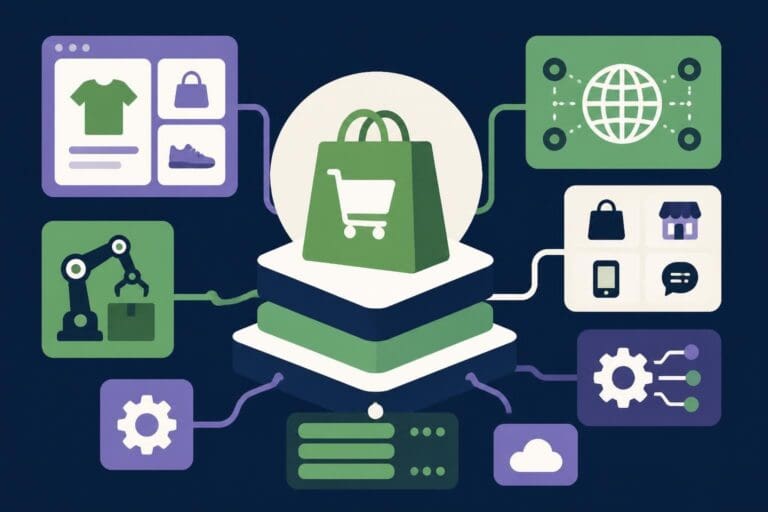
3. The App Ecosystem: Unlimited Functionality Without Custom Development
This is where Shopify truly shines for D2C brands. The Shopify App Store contains over 8,000 apps covering virtually every e-commerce need:
Marketing & Sales:
- Email marketing automation (Klaviyo, Omnisend)
- SMS marketing (Postscript, Attentive)
- Loyalty programs (Smile.io, LoyaltyLion)
- Upselling and cross-selling (Bold, ReConvert)
- Social proof notifications (Fomo, Fera)
Customer Experience:
- Product reviews (Yotpo, Judge.me)
- Live chat support (Gorgias, Tidio)
- Product bundles and subscriptions (Recharge, Bold Subscriptions)
- AR and 3D product visualization
- Personalization engines
Operations:
- Inventory management (Stocky, TradeGecko)
- Dropshipping integration (Oberlo, Spocket)
- Print-on-demand (Printful, Printify)
- Multi-channel fulfillment
- Returns management (Loop Returns, Returnly)
Analytics & Optimization:
- Advanced analytics (Lifetimely, Glew)
- A/B testing (Google Optimize, Neat A/B Testing)
- Heatmaps and session recording (Lucky Orange)
- SEO optimization (Plug in SEO, SEO Booster)
The beauty of this ecosystem is that D2C brands can add sophisticated functionality in minutes, not months. Need subscription billing? Install Recharge. Want advanced email flows? Add Klaviyo. Building a loyalty program? Integrate Smile.io.
This plug-and-play approach means you can compete with enterprise brands from day one, leveraging best-in-class tools without enterprise-level development budgets.
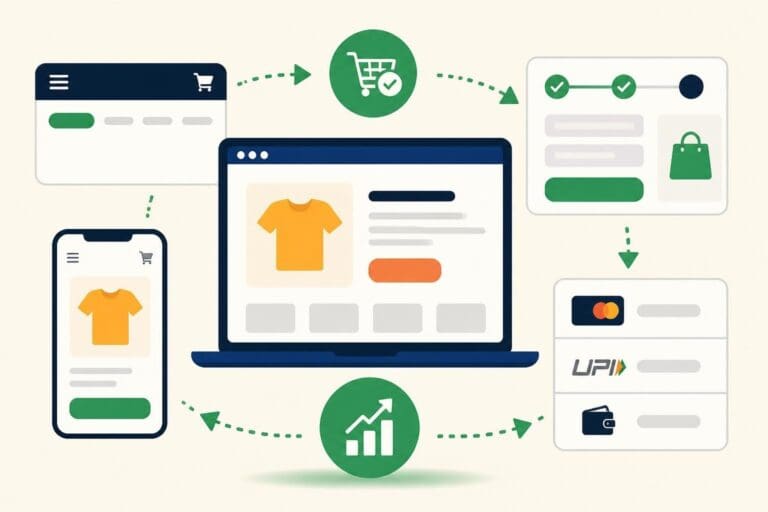
4. Built for Conversion: Every Element Optimized for Sales
Shopify wasn’t built as a general-purpose CMS adapted for e-commerce—it was purpose-built for selling products. This focus shows in every detail:
Checkout Optimization: Shopify’s checkout is the result of thousands of hours of A/B testing and conversion rate optimization. It’s:
- Blazing fast (every 100ms delay costs you conversions)
- Mobile-optimized (critical when 70%+ of traffic is mobile)
- Trust-signal rich (security badges, payment icons, customer reviews)
- Streamlined for minimal friction (address autocomplete, saved payment methods, one-click checkout)
The Shopify checkout converts at rates typically 10-35% higher than custom-built alternatives. For D2C brands, where customer acquisition costs continue to rise, this conversion advantage directly impacts profitability.
Abandoned Cart Recovery: Built-in abandoned cart emails automatically recover lost sales. For most D2C brands, these emails recover 5-15% of abandoned carts—revenue that would otherwise vanish.
Multi-Currency and International Support: Selling globally? Shopify handles:
- Automatic currency conversion
- International payment methods
- Localized checkout experiences
- Multi-language support
- International shipping calculations
5. Unmatched Performance and Reliability
For D2C brands, downtime equals lost revenue. Your platform needs to handle:
- Traffic spikes during product launches or viral moments
- Flash sales and promotional events
- Steady scaling as your brand grows
- Global traffic with fast load times
Shopify delivers 99.99% uptime, backed by enterprise-grade infrastructure. The platform automatically scales to handle traffic surges—whether you’re getting 100 visitors or 100,000 visitors per hour, performance remains consistent.
Page speed matters enormously for conversions. A 1-second delay in page load time can reduce conversions by 7%. Shopify’s global CDN ensures fast load times worldwide, with stores consistently scoring 90+ on Google PageSpeed Insights.
Compare this to self-hosted solutions like WooCommerce, where performance depends entirely on your hosting choice, optimization expertise, and ability to handle scaling. Or Magento, which requires dedicated DevOps resources to maintain performance at scale.
6. Mobile Commerce Excellence
Over 70% of e-commerce traffic now comes from mobile devices. D2C brands can’t afford a clunky mobile experience.
Shopify’s mobile-first approach includes:
- Responsive themes that adapt perfectly to any screen size
- Touch-optimized navigation and checkout
- Apple Pay and Google Pay integration for one-tap checkout
- Progressive Web App (PWA) capabilities for app-like experiences
- Mobile-optimized admin for managing your store on the go
The Shopify mobile app lets you run your entire business from your phone—process orders, track inventory, communicate with customers, and monitor analytics. This flexibility is perfect for scrappy D2C founders wearing multiple hats.
7. Seamless Multi-Channel Selling
Modern D2C success requires meeting customers wherever they shop. Shopify makes omnichannel commerce effortless:
Social Commerce:
- Sell directly on Instagram and Facebook with native shopping features
- TikTok Shopping integration for viral-driven sales
- Pinterest buyable pins
- Snapchat integration
Marketplace Integration:
- Amazon channel for reaching marketplace shoppers
- eBay integration
- Walmart Marketplace
- Etsy connections
In-Person Selling:
- Shopify POS for pop-ups, markets, and retail locations
- Unified inventory across online and offline channels
- Consistent customer profiles and purchase history
This unified commerce approach means one inventory system, one customer database, and one set of analytics across all channels. No more reconciling data from disconnected systems.
8. SEO and Content Marketing Capabilities
D2C brands live and die by organic traffic. Shopify provides robust SEO tools:
- Customizable title tags, meta descriptions, and URLs
- Automatic sitemap generation
- Built-in blogging platform
- Image optimization and alt tags
- Structured data markup for rich search results
- Fast load times (crucial ranking factor)
- Mobile-friendly by default (mobile-first indexing)
The integrated blog allows D2C brands to execute content marketing strategies without maintaining separate WordPress installations or dealing with integration headaches.
9. World-Class Security and Compliance
Security breaches destroy consumer trust and can sink D2C brands. Shopify handles security so you can focus on growth:
- Level 1 PCI DSS compliance (the highest security standard)
- Automatic security updates and patches
- DDoS protection
- Fraud analysis tools
- Secure payment processing
- Automatic SSL certificates
- GDPR and CCPA compliance tools
Maintaining this level of security independently would require dedicated security expertise and significant ongoing investment.
10. Data Ownership and Analytics
D2C brands thrive on first-party data. In an era where third-party cookies are disappearing and privacy regulations tighten, owning your customer data is more valuable than ever. Shopify provides:
Comprehensive Customer Data:
- Complete customer data ownership (you own every data point)
- Detailed purchase history and behavior tracking
- Customer lifetime value (CLV) calculations
- Segment creation based on purchase patterns
- RFM (Recency, Frequency, Monetary) analysis
- Customer acquisition cost tracking per channel
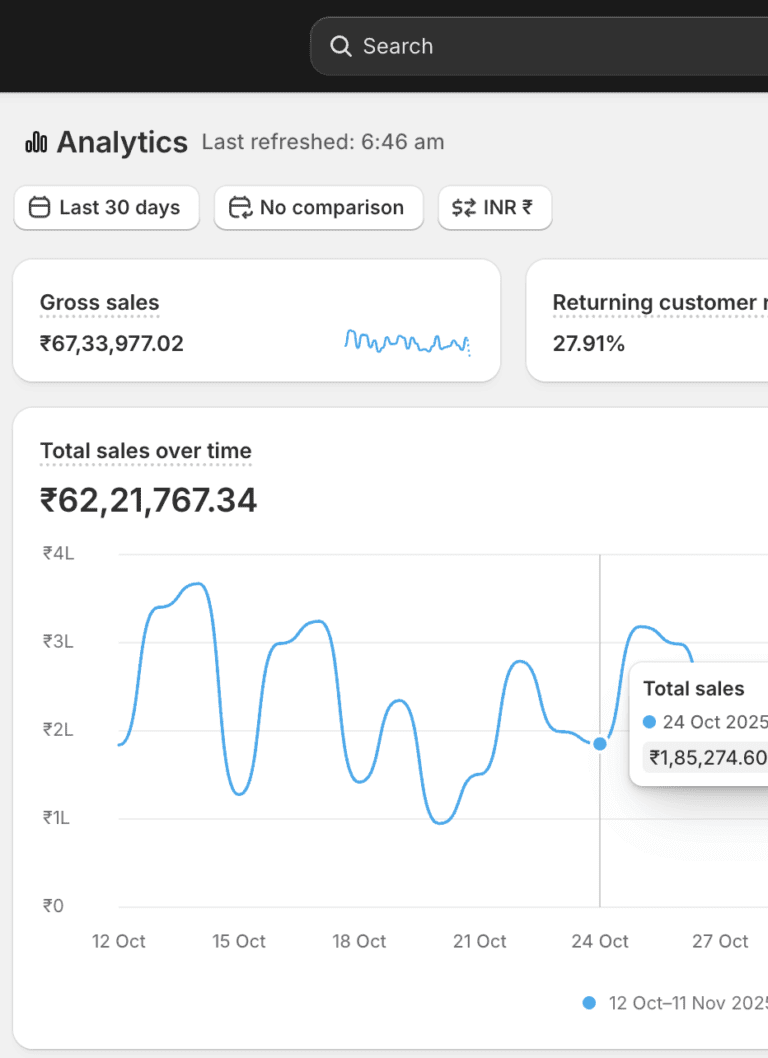
Built-in Analytics Dashboard: Shopify’s native analytics provide actionable insights without complex setup:
- Real-time sales monitoring
- Traffic source breakdown (organic, paid, social, direct, referral)
- Conversion rate by source and device
- Average order value trends
- Top-performing products and collections
- Geographic sales distribution
- Hour-by-hour performance metrics
Advanced Reporting (Shopify Plus): For enterprise D2C brands, Shopify Plus unlocks deeper insights:
- Custom report builder
- Product vendor reports
- Inventory forecasting
- Customer cohort analysis
- Multi-store analytics
- API access for custom data warehousing
Third-Party Integration: While Shopify’s native analytics are robust, the platform seamlessly integrates with advanced tools:
- Google Analytics 4 for detailed behavior tracking
- Facebook Pixel for social commerce optimization
- TikTok Pixel for viral marketing attribution
- Klaviyo for marketing analytics
- Triple Whale or Lifetimely for profit tracking
- Google Tag Manager for custom event tracking
This data fuels smarter marketing decisions, product development, and customer retention strategies. Unlike platforms where data gets siloed across disconnected tools, Shopify centralizes customer intelligence in one accessible place.
11. Community and Resources: Never Build Alone
One often-overlooked advantage of Shopify is the massive ecosystem of resources available to D2C brands:
Educational Resources:
- Shopify Academy with free courses on e-commerce fundamentals
- Extensive documentation covering every feature
- YouTube channel with tutorials and case studies
- Podcast featuring successful D2C founders
- Annual Unite conference showcasing innovations
Community Support:
- Active community forums with thousands of merchants
- Regional Shopify Meetups for networking
- Facebook groups dedicated to Shopify success
- Reddit communities sharing tips and strategies
- Twitter community of Shopify experts and founders
Partner Ecosystem: When you need expert help, Shopify’s Partner directory connects you with:
- Development agencies like WebzPlot specializing in custom solutions
- Marketing agencies focused on D2C growth
- Photographers and content creators
- Conversion optimization specialists
- Migration experts for platform transitions
This community means you’re never stuck. Whether you need technical help, marketing advice, or just want to learn from other D2C founders, resources are abundant and accessible.
12. Payment Processing Flexibility: Get Paid Your Way
For D2C brands, payment processing is critical. Shopify offers unmatched flexibility:
Shopify Payments: The native payment processor provides:
- No transaction fees (unlike using external gateways)
- Competitive credit card rates (2.4% – 2.9% + 30¢)
- Support for all major credit cards
- Apple Pay and Google Pay integration
- Shop Pay for one-click checkout
- Automatic fraud detection
- Chargeback protection tools
- Fast payouts (2-3 business days)
Alternative Payment Gateways: Don’t want to use Shopify Payments? No problem. The platform supports 100+ payment gateways:
- PayPal, Stripe, Square
- Regional processors worldwide
- Buy Now, Pay Later services (Klarna, Afterpay, Affirm)
- Cryptocurrency payments
- Wire transfers and bank deposits
- Cash on delivery (for international markets)
Multi-Currency Support: Sell globally with native multi-currency features:
- Automatic currency conversion
- Display prices in local currencies
- Dynamic checkout in customer’s currency
- Manage exchange rates
- Country-specific payment methods
This payment flexibility means D2C brands can optimize for conversions by offering the payment methods their customers prefer, regardless of geographic location.
13. Email Marketing Integration: Own Your Customer Relationships
While social media drives discovery, email remains the highest-ROI marketing channel for D2C brands. Shopify makes email marketing seamless:
Native Email Capabilities: Shopify Email is built directly into the platform:
- Pre-designed email templates matching your brand
- Drag-and-drop email builder
- Automated workflows (abandoned cart, welcome series, post-purchase)
- Segmentation based on customer behavior
- Performance tracking and analytics
- No separate login or platform to manage
- Affordable pricing (10,000 emails free/month, then $1 per 1,000)
Premium Email Integration: For advanced email marketing, Shopify integrates flawlessly with industry leaders:
Klaviyo – The gold standard for D2C email:
- Advanced segmentation and personalization
- Predictive analytics for send-time optimization
- SMS marketing integration
- Flows triggered by customer behavior
- A/B testing at scale
- Revenue attribution per campaign
Omnisend – Omnichannel marketing automation:
- Email + SMS in one platform
- Pre-built D2C automation workflows
- Advanced popups and forms
- Push notifications
- Landing pages
Mailchimp – Popular for smaller brands:
- User-friendly interface
- Free tier for up to 500 subscribers
- Basic automation capabilities
- Social media integration
The key advantage? Customer data flows automatically from Shopify to your email platform. No manual exports, no data sync issues, no delayed segmentation. When a customer makes a purchase, changes their preferences, or browses specific products, your email platform knows instantly and can trigger relevant communications.
14. Customer Service Excellence: Support That Scales
As D2C brands grow, customer service becomes a differentiator. Shopify enables world-class support:
Built-in Tools:
- Order management system for easy lookups
- Customer profiles with complete history
- Draft orders for assisted sales
- Refund and exchange processing
- Custom note fields for service notes
Helpdesk Integration: Shopify connects with leading customer service platforms:
Gorgias – Purpose-built for e-commerce:
- Unified inbox (email, chat, social, SMS)
- Order management within tickets
- Macros for common responses
- Automation rules for routing
- Performance analytics
Zendesk – Enterprise-grade support:
- Multi-channel ticketing
- Self-service knowledge base
- Advanced automation
- Detailed reporting
- Call center integration
Tidio – Live chat focused:
- Real-time chat widget
- Chatbot automation
- Visitor tracking
- Mobile app for on-the-go support
Re:amaze – All-in-one platform:
- Live chat and chatbots
- FAQ builder
- Social media monitoring
- Team collaboration tools
These integrations mean your support team has complete customer context in every interaction, enabling personalized, efficient service that builds loyalty.
15. Inventory Management: Control Your Stock
Inventory challenges can make or break D2C brands. Shopify provides robust tools:
Core Inventory Features:
- Real-time stock tracking across products and variants
- Low stock alerts
- Multi-location inventory management
- Transfer functionality between warehouses
- Inventory history and audit trails
- SKU management
- Barcode support
Advanced Inventory Apps: For complex needs, apps extend functionality:
Stocky (by Shopify) – For purchase orders:
- Create and manage POs
- Forecasting based on sales velocity
- Reorder alerts
- Supplier management
TradeGecko/QuickBooks Commerce – For multi-channel inventory:
- Centralized inventory across sales channels
- Automated stock updates
- B2B functionality
- Manufacturing management
Bundles and Kitting:
- Create product bundles with automatic inventory deduction
- Multi-product kits
- Assembly management
This inventory infrastructure means you’ll never oversell, can optimize stock levels, and maintain accuracy even as you scale to millions in revenue.
The WebzPlot Advantage: Maximizing Your Shopify Potential
While Shopify provides an incredible foundation, partnering with an experienced Shopify development agency like WebzPlot unlocks the platform’s full potential for your D2C brand.
Custom Theme Development
Your brand deserves more than a template. WebzPlot creates custom Shopify themes that:
- Reflect your unique brand identity
- Optimize conversion through strategic design
- Provide exceptional user experiences
- Stand out in crowded markets
- Scale with your growth
Advanced Shopify Customization
Our development expertise extends Shopify’s capabilities:
- Custom functionality through Shopify’s API
- Complex product configurations and builders
- Subscription and membership models
- Advanced filtering and search
- Custom checkout experiences (Shopify Plus)
- Headless commerce implementations
Performance Optimization
We ensure your Shopify store operates at peak performance:
- Code optimization for faster load times
- Image compression and lazy loading
- Third-party script management
- Mobile performance tuning
- Core Web Vitals optimization
Strategic App Integration
Choosing and configuring the right apps is crucial. WebzPlot:
- Audits your tech stack for efficiency
- Implements and configures essential apps
- Ensures seamless integration between tools
- Optimizes app performance
- Reduces app bloat and conflicts
Conversion Rate Optimization
We don’t just build stores—we build revenue-generating machines:
- A/B testing implementation and analysis
- User experience audits
- Checkout optimization
- Landing page development
- Trust signal integration
Ongoing Support and Scaling
As your D2C brand grows, WebzPlot grows with you:
- Monthly maintenance and updates
- Feature development as needs evolve
- Platform migration support (Plus upgrade, headless, etc.)
- Technical troubleshooting
- Strategic consultation
Platform Comparison: The Numbers That Matter for D2C Brands
Let’s break down how major platforms stack up across critical D2C metrics:
| Feature | Shopify | WooCommerce | Magento | BigCommerce | Custom Build |
|---|---|---|---|---|---|
| Time to Launch | 1-7 days | 2-8 weeks | 3-6 months | 2-4 weeks | 6-12+ months |
| Monthly Cost | $39-$2,000+ | $50-$500+ | $2,000-$20,000+ | $29-$300+ | $5,000-$50,000+ |
| Technical Expertise | None required | Moderate | High | Low-Moderate | Very High |
| Scalability | Excellent | Limited-Good | Excellent | Excellent | Excellent |
| Security | Included | DIY | DIY | Included | DIY |
| App Ecosystem | 8,000+ apps | 10,000+ plugins | Limited | 1,000+ apps | Custom only |
| Mobile Commerce | Excellent | Good | Good | Excellent | Variable |
| Multi-Channel | Native | Requires plugins | Limited | Native | Custom only |
| Support | 24/7 | Community | Paid support | 24/7 | Internal team |
| Updates | Automatic | Manual | Manual | Automatic | Manual |
| Page Speed | Excellent | Variable | Variable | Excellent | Variable |
| SEO Capabilities | Strong | Excellent | Good | Strong | Variable |
| PCI Compliance | Included | DIY | DIY | Included | DIY |
| Best For | D2C brands | Content-heavy sites | Enterprise B2B | High-volume D2C | Unique requirements |
Real-World D2C Success Stories on Shopify
The proof is in the results. Here’s how real D2C brands leveraged Shopify:
Allbirds – The sustainable shoe brand grew from startup to unicorn status on Shopify, handling massive growth while maintaining their minimalist brand experience.
Gymshark – The fitness apparel giant processes millions in daily revenue during launches, with Shopify handling traffic spikes that would crash most platforms.
Kylie Cosmetics – Built a billion-dollar beauty empire on Shopify, leveraging the platform’s flexibility to create unique shopping experiences.
Bombas – The sock company uses Shopify’s subscription capabilities and app ecosystem to build a loyalty-driven D2C model.
MVMT Watches – Grew from a $15,000 Kickstarter to a $100M+ exit, scaling seamlessly on Shopify throughout their journey.
These brands chose Shopify not because it was the cheapest option, but because it was the smartest investment for sustainable D2C growth.
When Shopify Might Not Be the Right Choice
Transparency matters. While Shopify dominates D2C, it’s not perfect for every situation:
Consider alternatives if you:
- Need extreme customization beyond Shopify’s API capabilities
- Require complex B2B functionality (though Shopify Plus handles most cases)
- Have highly specialized industry requirements (heavy machinery, complex rentals, etc.)
- Already have massive WordPress content infrastructure (though Shopify + WordPress headless works well)
- Operate in industries where Shopify’s payment processing has restrictions
For 90%+ of D2C brands, these edge cases don’t apply. Shopify’s sweet spot is brands selling physical products, digital goods, or subscriptions directly to consumers—which describes the vast majority of modern D2C businesses.
Making the Right Choice: A Decision Framework for D2C Founders
Still unsure? Ask yourself these questions:
1. What’s my technical capability?
- Limited technical skills → Shopify
- Comfortable with code → Shopify or WooCommerce
- Full dev team → Any platform
2. What’s my timeline?
- Need to launch in days/weeks → Shopify
- Can wait months → Other options possible
3. What’s my budget?
- Bootstrap/lean → Shopify Basic
- Moderate funding → Shopify or BigCommerce
- Well-funded → Shopify Plus or Custom
4. How important is scalability?
- Plan to scale rapidly → Shopify
- Steady, predictable growth → Multiple options
- Uncertain trajectory → Shopify (flexibility to grow)
5. What’s my product complexity?
- Standard products → Any platform
- Subscriptions/bundles → Shopify (app ecosystem)
- Extreme customization → Custom or Magento
6. How multi-channel is my strategy?
- Omnichannel from day one → Shopify
- Website-only initially → Multiple options
- Marketplace-heavy → Shopify or BigCommerce
For most D2C brands, these questions lead to the same conclusion: Shopify offers the optimal balance of capability, cost, and speed.
The Future of D2C Commerce on Shopify
Shopify continues investing heavily in D2C-specific features:
Headless Commerce: Shopify’s headless capabilities allow ultimate frontend flexibility while maintaining backend power.
Augmented Reality: Native AR tools help customers visualize products in their space, reducing returns and increasing confidence.
AI and Personalization: Shopify’s AI features personalize shopping experiences at scale, matching enterprise-level personalization.
Blockchain and NFTs: For brands exploring Web3, Shopify provides tools to sell NFTs and accept cryptocurrency.
Sustainability Tools: Carbon offset calculations and sustainability badges help D2C brands meet consumer expectations.
Enhanced Analytics: Deeper insights into customer behavior, predictive analytics, and automated optimization.
Shopify’s roadmap aligns perfectly with where D2C commerce is heading, ensuring your platform investment remains relevant for years to come.
Taking Action: Your Next Steps
If you’re launching a D2C brand or considering a platform migration, here’s your action plan:
1. Assess Your Current Situation
- What platform (if any) are you using now?
- What’s working and what’s frustrating?
- What are your growth goals for the next 1-3 years?
2. Define Your Requirements
- List must-have features
- Identify nice-to-have capabilities
- Set your budget range
- Determine your technical capacity
3. Test Shopify Firsthand
- Start a free Shopify trial
- Build a basic store with their themes
- Test the checkout flow
- Explore the App Store
- Compare the experience to alternatives
4. Partner with Experts
- Connect with a Shopify development agency like WebzPlot
- Discuss your specific needs and vision
- Get realistic timelines and budget estimates
- Review portfolio examples and case studies
5. Plan Your Launch
- Develop a migration strategy (if applicable)
- Create a realistic timeline
- Assemble your tech stack (apps and integrations)
- Build your go-to-market strategy
Conclusion: Why the Best D2C Brands Choose Shopify
The D2C revolution isn’t slowing down—it’s accelerating. Consumer expectations continue rising, competition intensifies, and the margin for error shrinks. In this environment, your e-commerce platform isn’t just a website builder; it’s the foundation of your entire business.
Shopify has earned its position as the D2C platform of choice through relentless focus on what matters: helping brands launch quickly, operate efficiently, and scale sustainably. While other platforms excel in specific niches, none match Shopify’s combination of ease-of-use, functionality, reliability, and D2C-specific features.
The numbers speak for themselves:
- Over 4.4 million stores worldwide
- $444 billion in cumulative GMV processed
- 99.99% uptime reliability
- Sub-second page load times globally
- Industry-leading conversion rates
But beyond the statistics, Shopify succeeds because it removes obstacles between great products and eager customers. It lets founders focus on building brands, not debugging code. It scales effortlessly from first sale to millionth customer. It democratizes access to enterprise-level e-commerce capabilities.
For D2C brands, Shopify isn’t just a platform choice—it’s a strategic advantage.
Ready to build your D2C empire on Shopify? Partner with WebzPlot, your dedicated Shopify development agency. We’ve helped dozens of D2C brands launch, scale, and dominate their markets on Shopify. Our team combines deep Shopify expertise with D2C best practices to create stores that don’t just look good—they convert visitors into customers and customers into advocates.
Whether you’re launching your first product or scaling to eight figures, WebzPlot provides the technical excellence and strategic guidance to maximize your Shopify investment. Let’s build something remarkable together.
Contact WebzPlot today to discuss your D2C vision and discover how Shopify can transform it into reality. Your next chapter of growth starts here.
Keywords: Shopify for D2C brands, D2C e-commerce platform, Shopify vs WooCommerce, Shopify vs Magento, best CMS for D2C, Shopify development agency, Shopify Plus for D2C, e-commerce platform comparison, direct-to-consumer Shopify, Shopify app ecosystem, D2C platform selection, WebzPlot Shopify services, Shopify customization, D2C conversion optimization, Shopify performance optimization