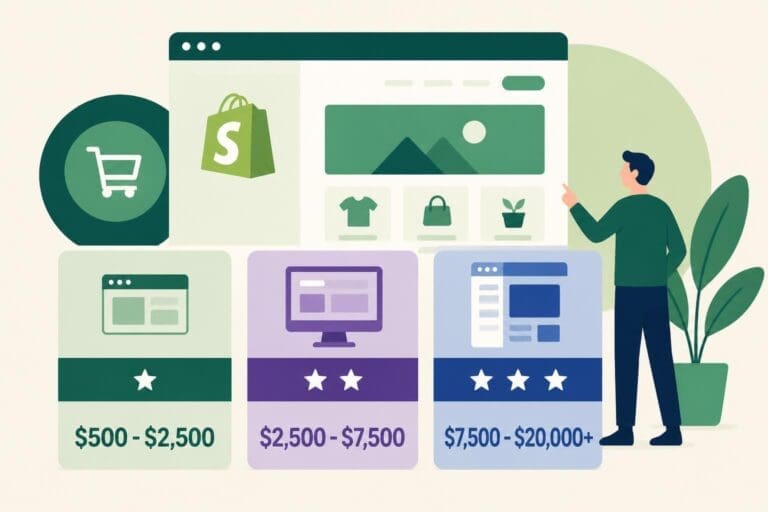
Creating a successful ecommerce presence requires more than just listing products online. When you design website Shopify stores, you're building a digital storefront that needs to attract visitors, engage them, and convert browsers into buyers. The strategic approach to Shopify design combines aesthetic appeal with conversion rate optimization, ensuring every element serves a business purpose. In 2026, the landscape of ecommerce design has evolved significantly, with AI-powered tools and data-driven insights transforming how merchants approach their online stores. This comprehensive guide explores the essential strategies, techniques, and best practices that separate mediocre Shopify stores from high-performing revenue generators.
Understanding the Shopify Design Foundation
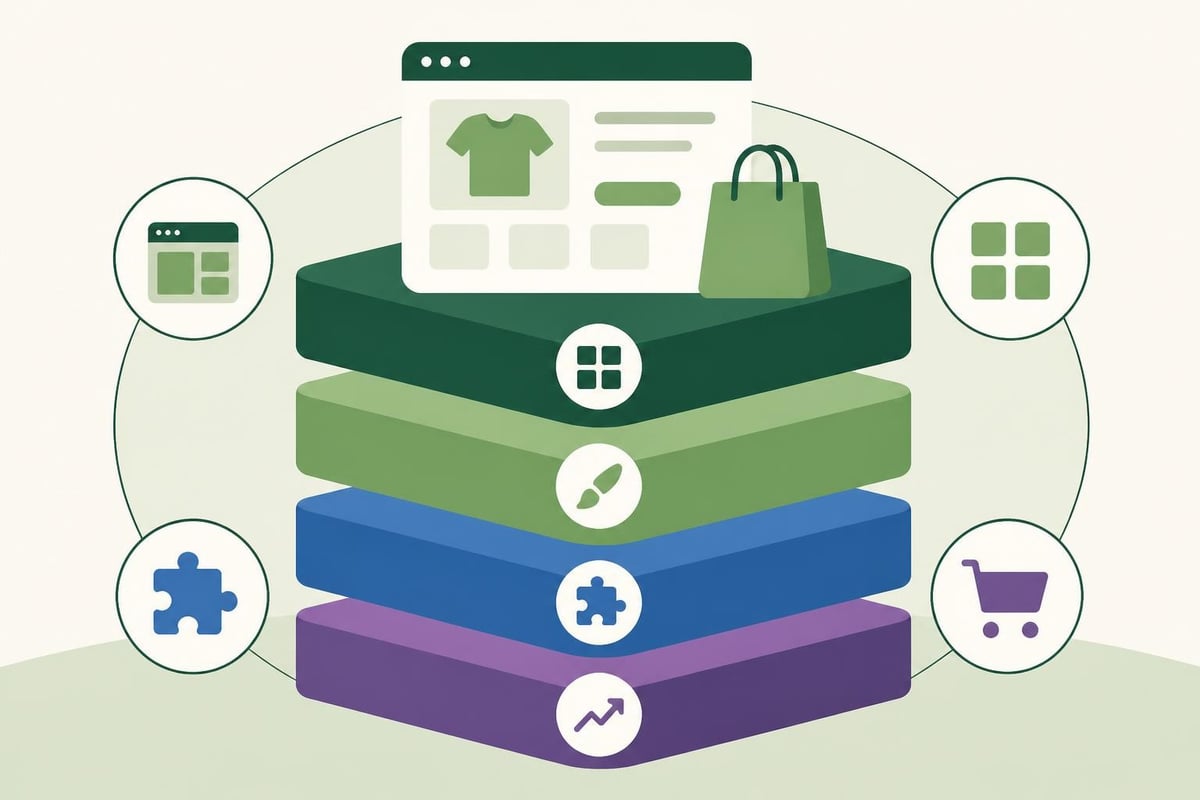
The platform's architecture provides a robust framework that balances flexibility with ease of use. When you begin to design website Shopify projects, understanding this foundation helps you make informed decisions about structure, functionality, and scalability.
Shopify's theme system serves as the starting point for most stores. Each theme includes pre-built templates, sections, and blocks that can be customized to match brand identity and business requirements. The platform offers both free and premium themes, each designed with different industries and selling approaches in mind.
Key considerations when selecting your design foundation:
- Store size and product catalog complexity
- Target audience demographics and preferences
- Industry-specific requirements and conventions
- Mobile traffic percentage and device usage patterns
- Future growth plans and scalability needs
The theme selection process significantly impacts your development timeline and customization options. Choosing the right template requires analyzing your business model, understanding customer journey patterns, and evaluating technical requirements beyond visual aesthetics.
Technical Architecture Decisions
Beyond visual design, the technical foundation determines site performance and user experience. Page load speed directly correlates with conversion rates, with studies showing that even a one-second delay can reduce conversions by seven percent.
| Performance Factor | Impact on Conversion | Optimization Priority |
|---|---|---|
| Initial page load | High (5-7% per second) | Critical |
| Mobile responsiveness | Very High (60%+ traffic) | Critical |
| Image optimization | Medium (3-4% improvement) | High |
| App script loading | Medium (cumulative effect) | High |
| Checkout speed | Very High (direct abandonment) | Critical |
The architecture should support future growth without requiring complete redesigns. Modular design approaches allow for incremental improvements and testing without disrupting the entire store experience.
Strategic Layout and Navigation Design
Navigation structure determines how easily customers find products and information. When you design website Shopify stores with conversion in mind, navigation becomes a strategic tool rather than just a menu system.
The primary navigation should reflect customer thinking patterns, not internal business organization. Product categorization must align with how customers search and browse, using familiar terminology and logical groupings that match purchase intent.
Homepage Layout Strategy
Your homepage serves multiple functions simultaneously, balancing brand storytelling with conversion opportunities. Effective homepage design guides visitors toward their goals while communicating value propositions clearly.
Essential homepage elements in priority order:
- Clear value proposition above the fold
- Primary navigation with logical product categories
- Featured collections or best-selling products
- Social proof elements (reviews, testimonials, trust badges)
- Promotional announcements or seasonal offers
- Brand story or unique selling proposition section
- Email capture with compelling incentive
- Footer with secondary navigation and policies
The visual hierarchy should lead eyes through these elements naturally, using contrast, whitespace, and strategic placement to emphasize conversion opportunities. Homepage design best practices demonstrate how visual hierarchy and intuitive navigation maximize conversion rates through strategic element placement and mobile optimization.
Product Collection Pages
Collection pages bridge the gap between homepage discovery and individual product selection. These pages require careful balance between showcasing variety and avoiding overwhelming visitors with too many choices.
Grid layouts work well for visual products like fashion and home goods, while list views with detailed specifications suit technical products or items requiring comparison. Filter systems should reflect actual customer decision criteria, making it easy to narrow selections by price, size, color, brand, or other relevant attributes.
Conversion-Focused Product Page Design
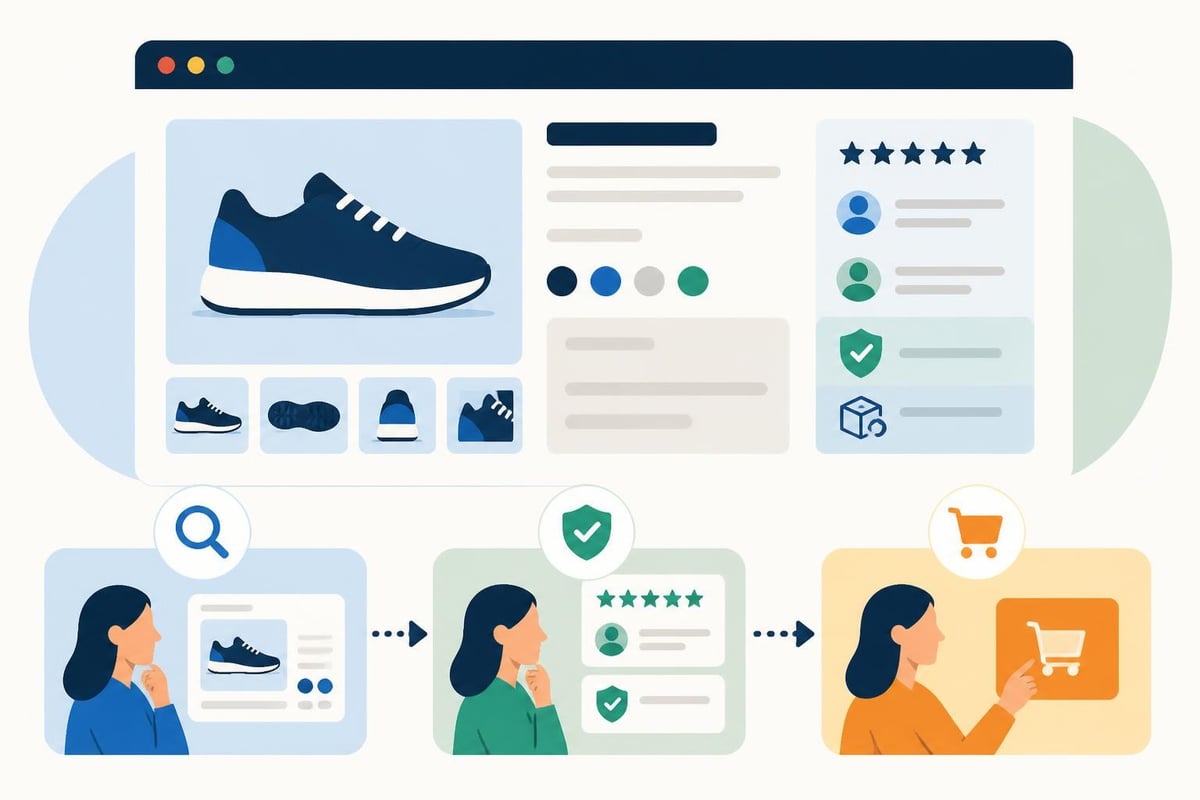
Product pages carry the heaviest conversion responsibility. When you design website Shopify product pages, every element should either answer questions, build trust, or reduce friction in the purchase decision.
High-quality product photography remains non-negotiable, but video content increasingly influences purchase decisions. Product videos showing items in use, demonstrating scale, or explaining features can increase conversions by twenty to thirty percent for appropriate product categories.
Product page conversion elements:
- Multiple high-resolution images showing different angles and details
- Zoom functionality for examining product quality
- Clear pricing with any discounts prominently displayed
- Size guides or specification charts when relevant
- Availability information and delivery estimates
- Customer reviews with photo submissions
- Related product recommendations
- Clear call-to-action buttons with action-oriented copy
- Trust signals (secure checkout badges, return policies)
The product description should balance SEO requirements with persuasive copywriting. Feature-benefit translation helps customers understand not just what the product is, but how it solves their problems or improves their lives.
| Description Element | Purpose | Conversion Impact |
|---|---|---|
| Product name | SEO + clarity | Foundation |
| Key features | Quick scanning | Medium |
| Benefits translation | Emotional connection | High |
| Specifications | Detailed comparison | Medium |
| Use cases | Application visualization | High |
| Social proof | Trust building | Very High |
For merchants seeking professional design implementation, Shopify Website Development services provide comprehensive solutions that balance aesthetic excellence with conversion rate optimization, ensuring every design decision supports revenue growth.
Mobile-First Design Approach
Mobile devices now generate over seventy percent of ecommerce traffic for many stores, making mobile optimization critical rather than optional. When you design website Shopify stores in 2026, mobile should be the primary consideration, not an afterthought.
Responsive Design Principles
True responsive design adapts not just layout but functionality and content priority for different screen sizes. Thumb-friendly navigation placement, simplified forms, and streamlined checkout processes address mobile-specific user behaviors.
Touch targets should be appropriately sized, with at least forty-eight pixels of space for clickable elements. Mobile users navigate differently than desktop users, relying more heavily on scrolling and expecting faster access to key information.
Mobile optimization checklist:
- Fast loading times (under three seconds)
- Simplified navigation menus (hamburger or tab-based)
- Large, finger-friendly buttons and links
- Minimal form fields with smart defaults
- Click-to-call phone numbers
- Mobile-optimized images (compressed, properly sized)
- Simplified checkout with auto-fill capabilities
- Persistent cart access
- Easy return to previous pages
Testing across actual devices reveals issues that emulators miss. Real-world testing with various phone models, operating systems, and network speeds identifies performance bottlenecks and usability problems.
Brand Identity Integration
Your Shopify design must authentically represent your brand while maintaining usability standards. Visual consistency across all touchpoints builds recognition and trust, but aesthetic choices should never compromise functionality.
Color psychology plays a role in emotional response and brand perception. The color palette should reflect brand personality while ensuring adequate contrast for readability and accessibility compliance.
Typography choices communicate brand character through style selection, hierarchy, and spacing. Font pairings should balance visual interest with legibility, typically combining a distinctive heading font with a highly readable body font.
Creating Visual Consistency
Design systems ensure consistency across pages and elements. Establishing rules for spacing, component styling, color usage, and imagery treatment creates cohesive experiences that feel professionally executed.
Core design system components:
- Primary and secondary color palettes with specific use cases
- Typography scale defining heading and body text sizes
- Spacing units for consistent padding and margins
- Button styles for different action levels (primary, secondary, tertiary)
- Icon library with consistent visual style
- Image treatment guidelines (filters, aspect ratios, quality standards)
- Form field styling and validation states
Documentation of these standards enables consistent implementation across team members and future updates. The design system becomes especially valuable as stores grow and additional team members contribute to content and page creation.
Conversion Rate Optimization Through Design
Every design decision impacts conversion rates, either positively or negatively. Strategic design treats each element as a hypothesis to be tested and optimized based on performance data.
Call-to-action buttons require careful consideration of placement, color, size, and copy. The primary CTA should stand out visually while maintaining design harmony, using contrasting colors and strategic placement to draw attention at decision points.
Trust Signal Implementation
Online shoppers need reassurance throughout the purchase journey. Trust signals combat abandonment by addressing common concerns about security, quality, and customer service.
| Trust Signal Type | Placement | Effectiveness |
|---|---|---|
| Security badges | Checkout, footer | High |
| Customer reviews | Product pages, homepage | Very High |
| Money-back guarantee | Product pages, cart | High |
| Shipping information | Product pages, header | Medium |
| Contact information | Header, footer | Medium |
| Brand partnerships | Homepage, about page | Medium |
| Media mentions | Homepage, footer | Medium-High |
The community resources available through platforms like Talk Shop provide valuable insights from experienced merchants about which trust signals resonate most effectively with different customer segments and product categories.
Performance Optimization Strategies
Site speed directly impacts both user experience and search engine rankings. When you design website Shopify stores, performance considerations should guide technical decisions from the beginning rather than being addressed after launch.
Image optimization represents the most significant performance opportunity for most stores. Properly compressed images in next-generation formats like WebP can reduce page weight by fifty to seventy percent without noticeable quality loss.
Performance optimization priorities:
- Image compression and lazy loading implementation
- Minimizing app installations (only essential functionality)
- Reducing custom code weight through efficient development
- Implementing browser caching strategies
- Optimizing font loading (system fonts or efficient web fonts)
- Deferring non-critical JavaScript execution
- Minimizing HTTP requests through file consolidation
Regular performance audits identify degradation over time as content and functionality are added. Tools like Google PageSpeed Insights provide actionable recommendations for maintaining optimal performance.
Accessibility and Inclusive Design
Accessible design benefits all users while ensuring compliance with legal requirements. When you design website Shopify stores with accessibility in mind, you expand your potential customer base while improving overall usability.
Color contrast ratios must meet WCAG standards for text readability. Tools can verify that text and background combinations provide sufficient contrast for users with visual impairments.
Implementation Guidelines
Keyboard navigation support allows users who cannot use mice to navigate and complete purchases. Every interactive element should be accessible via keyboard, with clear focus indicators showing current position.
Accessibility implementation checklist:
- Sufficient color contrast (4.5:1 for normal text, 3:1 for large text)
- Alt text for all meaningful images
- Semantic HTML structure with proper heading hierarchy
- Keyboard navigation support for all interactive elements
- Form labels clearly associated with inputs
- Error messages that are descriptive and helpful
- Skip navigation links for screen reader users
- Video captions and transcripts when applicable
Screen reader compatibility ensures that visually impaired users can understand and navigate your store. Proper semantic HTML and ARIA labels enable assistive technology to interpret page structure and functionality.
Testing and Iteration Framework
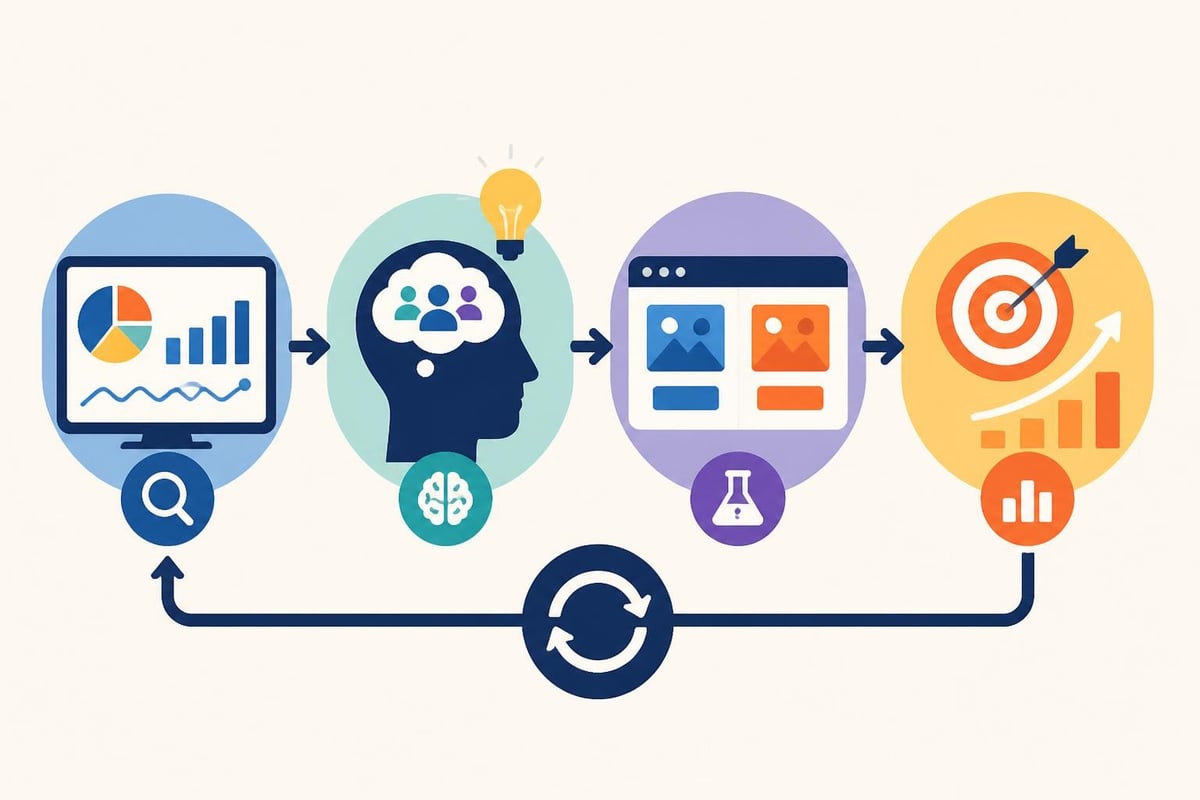
Design is never truly finished but continuously evolves based on performance data and user feedback. Establishing systematic testing processes ensures design decisions are validated by real user behavior rather than assumptions.
A/B testing allows comparison of different design approaches using actual traffic. Testing variables like button color, headline copy, layout arrangements, or image selections reveals which versions drive better conversion rates.
Data-Driven Design Decisions
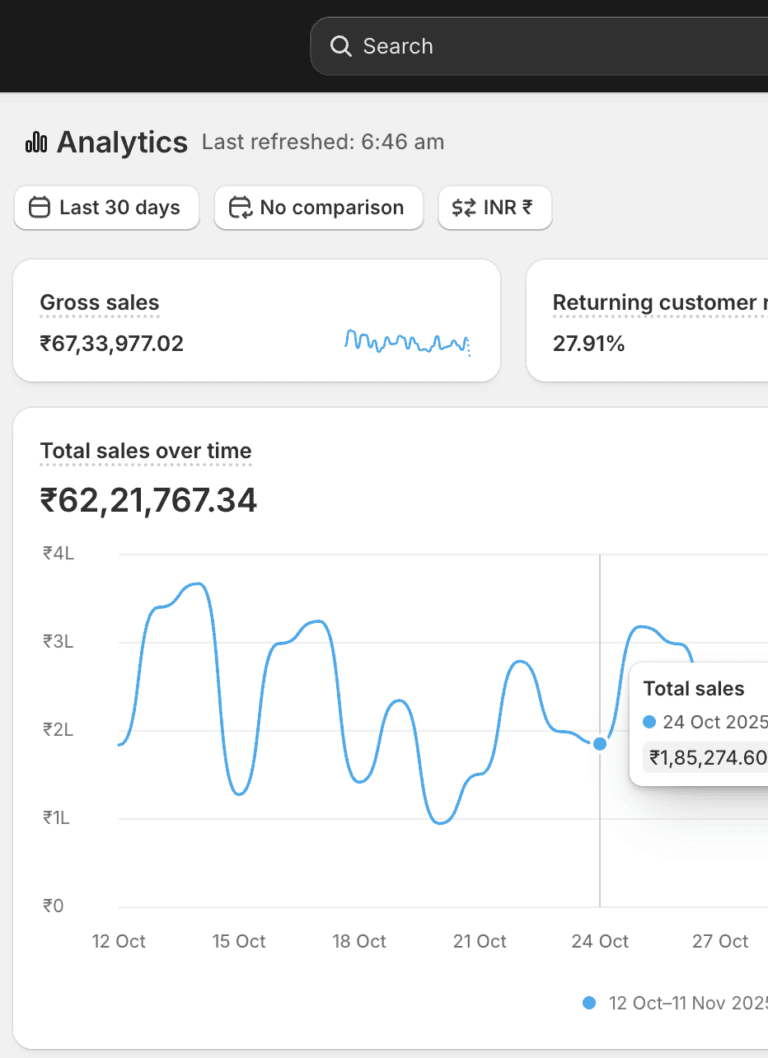
Analytics platforms provide insights into user behavior patterns, identifying where visitors struggle or abandon the purchase process. Heat mapping tools visualize where users click, scroll, and focus attention, revealing disconnects between design intent and actual usage.
Key metrics for design evaluation:
- Bounce rate by landing page and traffic source
- Time on page and scroll depth
- Click-through rates on key elements
- Cart abandonment rate and abandonment points
- Conversion rate by device type
- Page load speed and Core Web Vitals
- Form completion rates and error frequencies
Customer feedback through surveys, reviews, and support inquiries provides qualitative insights that quantitative data cannot capture. Understanding why users behave certain ways enables more targeted design improvements.
Multi-Channel Consistency
Your Shopify store exists within a broader marketing ecosystem. Design consistency across channels reinforces brand recognition and creates seamless experiences as customers move between touchpoints.
Email design should reflect store branding while optimizing for email client limitations. Social media presence should maintain visual consistency through coordinated graphics, color usage, and messaging tone.
The omnichannel experience extends to offline touchpoints for merchants with physical retail presence. Packaging design, in-store displays, and printed materials should coordinate with digital design language to create unified brand experiences.
Cross-channel design coordination:
- Consistent logo usage and brand colors
- Coordinated typography across digital and print
- Unified tone of voice in all written content
- Harmonized imagery style and quality standards
- Synchronized promotional messaging and offers
- Connected customer data for personalization
Marketing initiatives benefit from design systems that enable rapid creation of on-brand materials across channels. Templates and guidelines ensure consistency even as different team members create content.
Advanced Customization Considerations
While Shopify themes provide solid foundations, strategic customization differentiates your store from competitors using the same themes. Understanding when to customize versus when to use standard features requires balancing uniqueness against development complexity.
Theme customization through Shopify's editor allows significant changes without coding knowledge. Section rearrangement, color adjustments, and content updates can transform theme appearance while maintaining update compatibility.
For merchants requiring deeper customization that aligns with sophisticated conversion strategies, agencies like WebzPlot specialize in creating high-converting, CRO-optimized Shopify stores that balance brand uniqueness with performance optimization and maintainability.
Balancing Customization and Maintainability
Heavy customization can create maintenance challenges when Shopify releases platform updates or security patches. Finding the balance between unique design and long-term sustainability requires strategic planning.
| Customization Level | Benefits | Considerations |
|---|---|---|
| Theme settings only | Easy updates, fast implementation | Limited differentiation |
| Section customization | Moderate uniqueness, manageable | Some update limitations |
| Theme code editing | High control, brand alignment | Update complexity increases |
| Developer-led build | Maximum flexibility | Highest maintenance requirements |
Documentation of customizations ensures future team members understand design decisions and technical implementation. Clear commenting in code and design system documentation facilitates ongoing maintenance and evolution.
Successful Shopify store design requires balancing aesthetic appeal with conversion optimization, performance with functionality, and brand uniqueness with usability standards. The strategies outlined here provide a framework for creating stores that not only look professional but drive measurable business results through thoughtful design decisions. When you're ready to design website Shopify stores that truly convert, WebzPlot brings specialized expertise in creating high-converting, CRO-optimized Shopify stores backed by data-driven strategies and deep platform knowledge. Our team transforms design concepts into revenue-generating digital storefronts that scale with your business growth.