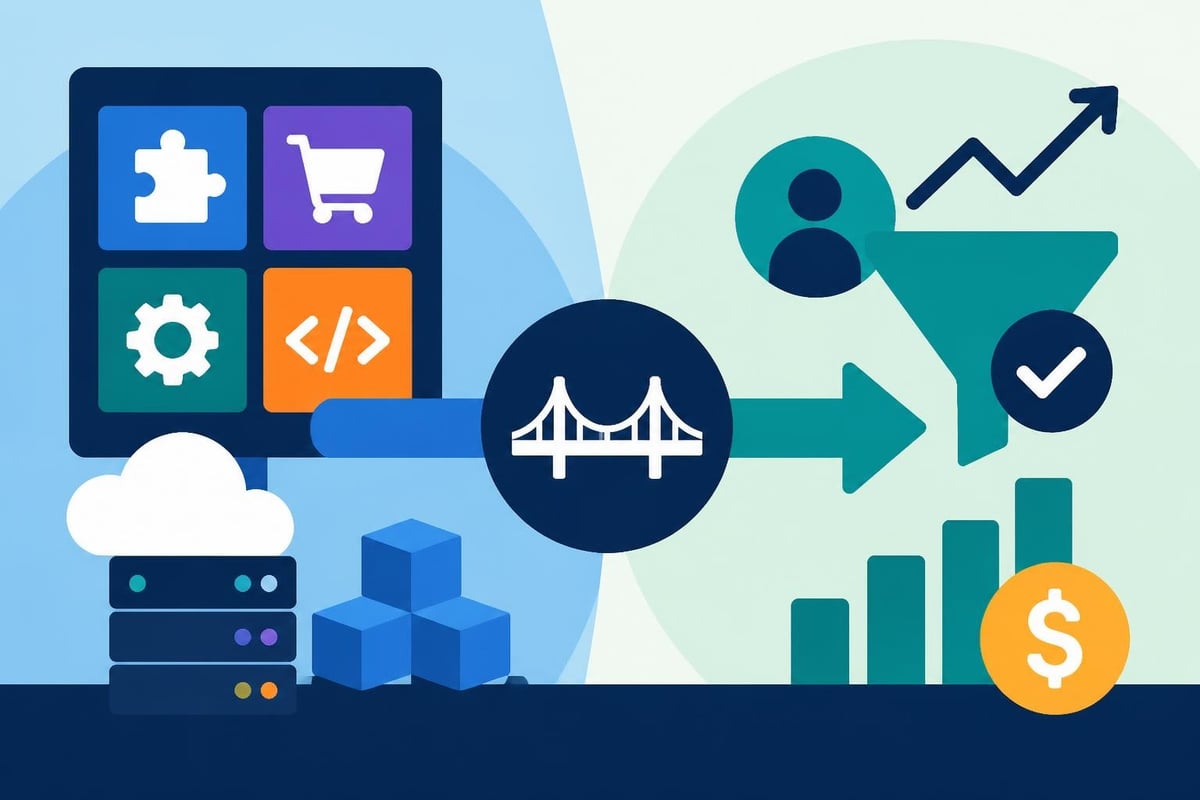
Finding the right development partner can transform your online business. Whether you're launching a new e-commerce store or scaling an established brand, choosing from the top 10 website development companies requires careful evaluation of technical expertise, industry specialization, and proven results. The digital landscape in 2026 demands more than basic website creation-businesses need partners who understand conversion optimization, platform-specific development, and integrated marketing strategies that drive measurable growth.
What Defines Top Website Development Companies
The best development agencies combine technical proficiency with business acumen. They don't just build websites-they create digital experiences that convert visitors into customers.
Core Competencies That Matter
When evaluating the top 10 website development companies, certain capabilities separate industry leaders from the rest. Platform expertise stands at the forefront, whether that's Shopify, WordPress, or custom frameworks. The most effective agencies specialize deeply rather than spreading resources thin across every available technology.
Conversion rate optimization (CRO) represents another critical differentiator. According to research on website development approaches, businesses achieve better outcomes when developers integrate user experience design with data-driven testing methodologies from project inception.
Performance metrics tell the real story:
- Page load speeds under 2 seconds
- Mobile responsiveness across all devices
- SEO-optimized architecture
- Secure payment processing
- Scalable infrastructure for growth
Specialization Versus Generalization
The debate between specialized and full-service agencies continues in 2026. Specialized agencies typically deliver superior results within their niche. A Shopify-focused agency like WebzPlot brings deep platform knowledge, understanding nuances that generalists might overlook. They know how to leverage Shopify's native features, optimize checkout flows, and integrate apps that enhance functionality without compromising performance.
Generalist agencies offer broader service menus but may lack the depth required for complex e-commerce implementations. When your business depends on online revenue, platform-specific expertise becomes invaluable.
Evaluation Criteria for Development Partners
| Criteria | Why It Matters | Red Flags |
|---|---|---|
| Portfolio Quality | Demonstrates real-world results | Generic templates, no case studies |
| Industry Experience | Understands your market challenges | No relevant client examples |
| Technical Stack | Matches your platform needs | Outdated technologies |
| Communication | Ensures project alignment | Slow responses, unclear processes |
| Post-Launch Support | Maintains site performance | No maintenance packages |
Selecting from the top 10 website development companies requires methodical assessment. Start by examining portfolios for businesses similar to yours. Industry relevance matters significantly-an agency experienced in e-commerce understands customer behavior, payment gateways, and inventory management in ways that corporate website specialists don't.
Technical Infrastructure Assessment
Modern websites demand robust technical foundations. The right development partner implements:
- Cloud-based hosting with automatic scaling
- Content delivery networks (CDN) for global performance
- SSL certificates and security protocols for customer trust
- API integrations connecting essential business tools
- Analytics implementation tracking user behavior and conversions
When comparing agencies, request detailed technical specifications. How do they handle site speed? What security measures come standard? Which testing protocols ensure bug-free launches? These questions reveal an agency's commitment to excellence beyond aesthetic design.
Leading Development Companies for E-Commerce
The e-commerce sector requires specialized expertise. Generic web development skills don't translate to successful online stores. The best agencies understand product presentation, checkout psychology, and post-purchase engagement strategies.
Shopify-Specialized Agencies
WebzPlot stands among the top Shopify development agencies for brands seeking high-converting online stores. Their focus on CRO-optimized Shopify development means every design decision serves business objectives. They combine technical development with performance marketing, ensuring stores don't just look professional-they generate revenue.
For established brands requiring enterprise capabilities, Shopify Plus Development provides advanced features like custom checkout experiences, wholesale channels, and automation workflows that scale with business growth.
UK-based businesses often benefit from regional expertise. Futur Media, a Cardiff-based Shopify agency, specializes in designing and building high-performing e-commerce stores for ambitious UK brands, offering smart UX and performance-led builds alongside branding and digital marketing support.
Platform-Specific Development Considerations
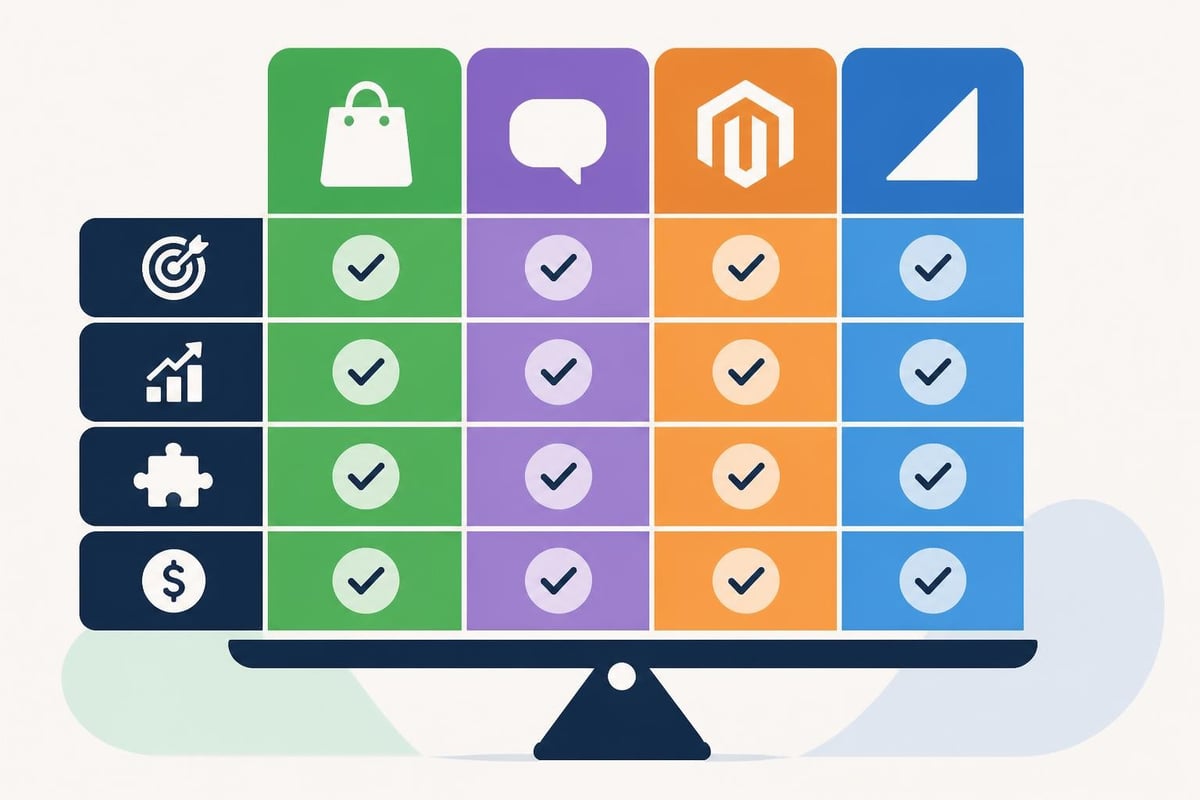
Different platforms serve different business models:
- Shopify: Best for product-based businesses prioritizing ease of use and scalability
- WooCommerce: Ideal for WordPress users wanting e-commerce functionality
- Magento: Suited for large catalogs requiring extensive customization
- BigCommerce: Strong for B2B and wholesale operations
According to expert recommendations on choosing website builders, businesses should prioritize user-friendliness, scalability, and strong SEO capabilities when selecting development platforms.
Development Process and Project Management
Top-tier agencies follow structured methodologies ensuring projects stay on schedule and within budget. Understanding how potential partners manage development helps predict your experience.
Agile Development Methodology
Most top 10 website development companies now embrace agile principles:
Sprint-based development breaks projects into manageable phases. Instead of waiting months for a complete website, you see progress every two weeks. This iterative approach allows course corrections before significant resources get invested in wrong directions.
Continuous feedback loops keep clients engaged throughout development. Regular demos and testing sessions ensure the final product matches expectations. This collaborative approach typically yields better results than traditional "big reveal" methodologies.
Transparent project tracking through tools like Jira or Asana gives clients real-time visibility into progress. You know what's being worked on, what's completed, and what's upcoming-eliminating the anxiety of wondering whether your project is on track.
Timeline and Budget Management
Realistic timelines separate professional agencies from amateurs. A basic e-commerce store typically requires 8-12 weeks from kickoff to launch. More complex implementations with extensive integrations may need 16-20 weeks.
Budget transparency matters equally. Reputable agencies provide detailed estimates breaking down costs by category:
- Design and user experience work
- Front-end development
- Back-end functionality
- Third-party integrations
- Testing and quality assurance
- Training and documentation
- Post-launch support
Be wary of agencies offering suspiciously low prices. Quality development requires experienced professionals commanding fair market rates. The least expensive option often becomes the most costly through missed deadlines, poor quality, and endless revision cycles.
Conversion Optimization and Performance Marketing
Building a website is just the beginning. The top 10 website development companies understand that traffic without conversions wastes marketing budgets. Integration of development and marketing creates synergies that isolated efforts cannot achieve.
CRO-Focused Development
Conversion rate optimization should inform every design decision. Button placement, color psychology, page hierarchy, and messaging all impact whether visitors become customers. Agencies specializing in CRO use data to guide choices rather than relying on subjective preferences.
Heat mapping and user session recording reveal how real visitors interact with sites. Do they see your call-to-action? Where do they abandon cart? Which pages cause confusion? These insights drive continuous improvement.
A/B testing capabilities built into the site architecture enable ongoing optimization. Test headlines, product images, pricing displays, and checkout flows to systematically improve conversion rates. Even small improvements compound significantly over time.
Integrated Marketing Services
The most effective development partners offer complementary marketing services. WebzPlot’s performance marketing focuses specifically on generating sales through Meta and Google advertising campaigns. This integrated approach ensures your website development aligns with acquisition strategies from day one.
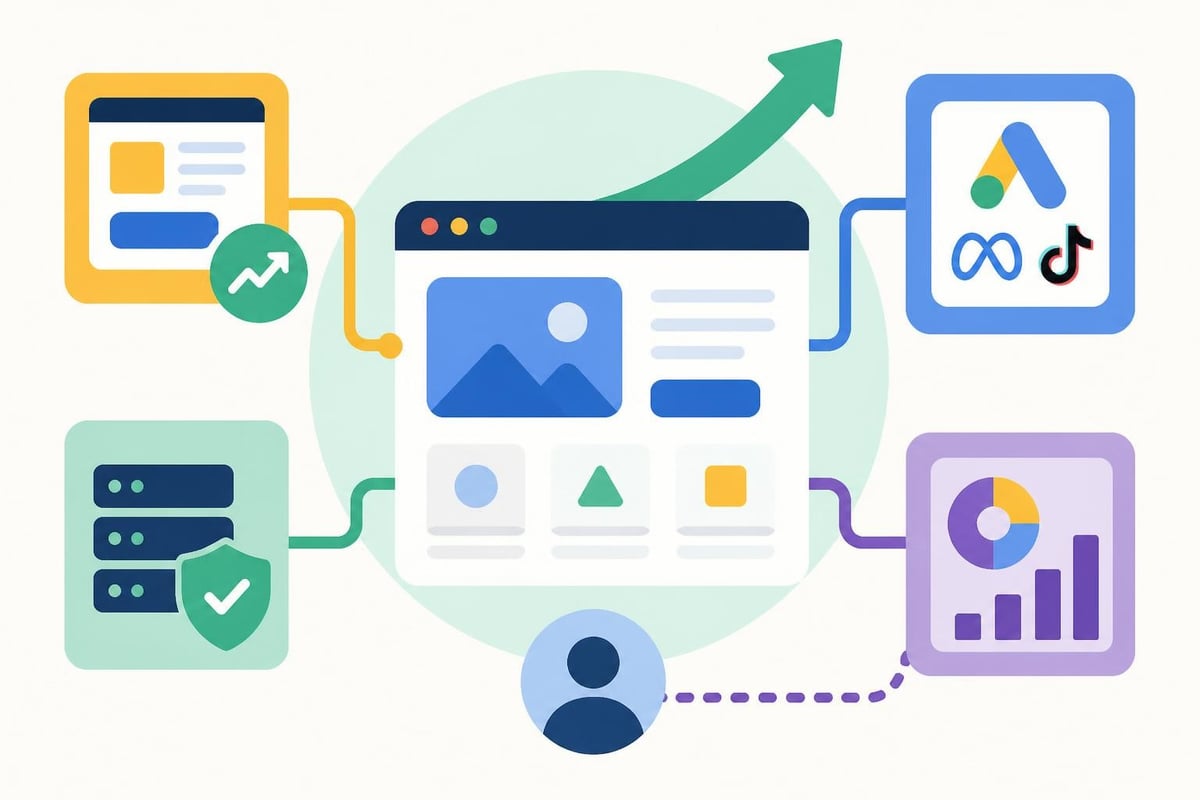
Marketing integration includes:
- SEO-optimized site architecture
- Social media pixel implementation
- Email marketing platform connections
- Analytics and conversion tracking
- Retargeting audience configuration
When development and marketing teams collaborate from project inception, you avoid the common problem of building a beautiful website that doesn't support marketing objectives.
Pricing Models and Investment Considerations
Understanding how agencies price services helps budget appropriately and compare options fairly. The top 10 website development companies typically offer several pricing structures.
Common Pricing Approaches
| Pricing Model | Best For | Advantages | Disadvantages |
|---|---|---|---|
| Fixed Price | Defined scope projects | Budget certainty | Limited flexibility |
| Hourly Rate | Evolving requirements | Adaptable to changes | Cost uncertainty |
| Value-Based | Revenue-focused projects | Aligned incentives | Requires trust |
| Retainer | Ongoing partnerships | Consistent support | Long-term commitment |
Fixed-price projects work well when requirements are clearly defined. You receive a comprehensive proposal detailing deliverables and costs. This model provides budget certainty but offers limited flexibility for mid-project changes.
Hourly billing suits projects with evolving scopes. You pay for actual time invested, allowing requirements to adapt as you learn more about your needs. However, final costs remain uncertain until project completion.
Value-based pricing ties agency compensation to business outcomes. If the website generates revenue, the agency shares in success. This model aligns incentives powerfully but requires transparent performance tracking and mutual trust.
Investment Versus Expense Mindset
View website development as an investment rather than an expense. A well-built e-commerce site generates returns for years. Calculate potential ROI by estimating traffic, conversion rates, and average order values.
For example, if your site attracts 10,000 monthly visitors, a 2% conversion rate yields 200 orders. At $100 average order value, that's $20,000 monthly revenue or $240,000 annually. Investing $30,000 in professional development seems reasonable when projecting these returns.
The cheapest option rarely delivers best value. Focus on finding partners whose expertise and approach maximize your return on investment rather than simply minimizing upfront costs. Review transparent website pricing structures to understand what professional development actually costs.
Post-Launch Support and Maintenance
Launching your website marks the beginning, not the end, of your development partnership. The top 10 website development companies provide comprehensive post-launch support ensuring sustained performance.
Ongoing Maintenance Requirements
Websites require regular maintenance to remain secure, fast, and functional:
- Security updates patch vulnerabilities as they're discovered
- Performance monitoring identifies and resolves slowdowns
- Backup management protects against data loss
- Plugin updates maintain compatibility and features
- Content updates keep information current
- Bug fixes address issues as they arise
Neglecting maintenance invites security breaches, performance degradation, and customer frustration. Budget for ongoing support from day one.
Growth and Scalability
Your website should grow with your business. Scalable architecture accommodates increased traffic, expanded product catalogs, and additional functionality without complete rebuilds.
Questions to ask potential development partners:
- How does your architecture handle traffic spikes during promotions?
- What's the process for adding new features after launch?
- How do you approach platform migrations if we outgrow our current solution?
- What analytics do you provide for measuring site performance?
- How quickly can you respond to urgent issues?
Agencies offering comprehensive support packages demonstrate commitment to long-term client success. They view relationships as ongoing partnerships rather than one-time transactions.
Selecting Your Development Partner
After researching the top 10 website development companies, making your final selection requires careful consideration of fit beyond just capabilities.
Cultural Alignment and Communication
Communication style significantly impacts project experience. Some agencies prefer formal status reports while others embrace casual Slack conversations. Neither approach is inherently better-what matters is alignment with your preferences.
Timezone compatibility affects collaboration efficiency. If you need real-time discussions frequently, partners in vastly different timezones create scheduling challenges. However, timezone differences can also provide productivity advantages with round-the-clock progress.
Company values matter more than many businesses realize. Partners who share your commitment to customer experience, quality, and ethical business practices will make better long-term allies than those focused solely on deliverables and deadlines.
Making the Final Decision
Create a systematic evaluation process:
Request detailed proposals from your top three candidates. Compare not just pricing but approach, timeline, and deliverables. How thoroughly do they address your specific needs versus offering generic solutions?
Check references rigorously. Speak with at least three current or recent clients about their experience. Ask about communication quality, deadline adherence, problem-solving ability, and post-launch support.
Review contracts carefully before signing. Understand payment terms, revision allowances, timeline commitments, and ownership rights. What happens if the project runs over budget or past deadline?
Trust your instincts after completing due diligence. If something feels off during initial conversations, that concern likely won't disappear during project execution. Choose partners who inspire confidence through their expertise, professionalism, and genuine interest in your success.
Emerging Trends in Website Development
The top 10 website development companies stay ahead of industry evolution. Understanding emerging trends helps evaluate whether potential partners embrace innovation or rely on outdated practices.
AI and Automation Integration
Artificial intelligence is transforming website development in 2026. Smart chatbots handle customer inquiries, personalization engines customize experiences based on behavior, and predictive analytics forecast inventory needs.
Progressive agencies integrate AI capabilities strategically, enhancing human decision-making rather than replacing it entirely. For businesses focused on organic growth, platforms like RankPill offer automated SEO services including daily article publishing and keyword research to increase visibility and reach.
Mobile-First Development
Mobile devices generate over 60% of e-commerce traffic in 2026. Mobile-first design builds experiences optimized for smartphones, then adapts them for larger screens. This approach ensures your most important audience receives the best possible experience.
Progressive web apps (PWAs) blur lines between websites and native applications. They offer app-like experiences including offline functionality and push notifications without requiring app store downloads. For e-commerce businesses, PWAs can significantly improve engagement and conversion rates.
Privacy and Security Priorities
Data privacy regulations continue tightening globally. Compliant development includes:
- Cookie consent management
- GDPR and CCPA compliance features
- Secure payment processing
- Data encryption standards
- Privacy policy integration
Security breaches destroy customer trust and damage brands irreparably. Prioritize agencies demonstrating strong security practices and compliance knowledge.
Choosing from the top 10 website development companies requires balancing technical expertise, industry specialization, pricing structure, and cultural fit. The right partner combines development excellence with conversion optimization and marketing integration to create websites that drive measurable business growth. Whether you're launching your first online store or scaling an established brand, WebzPlot specializes in building high-converting, CRO-optimized Shopify stores backed by performance marketing strategies that turn visitors into loyal customers.