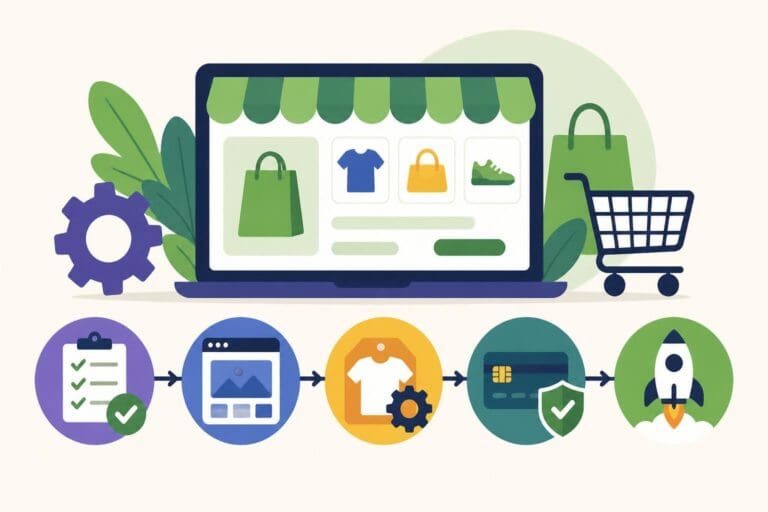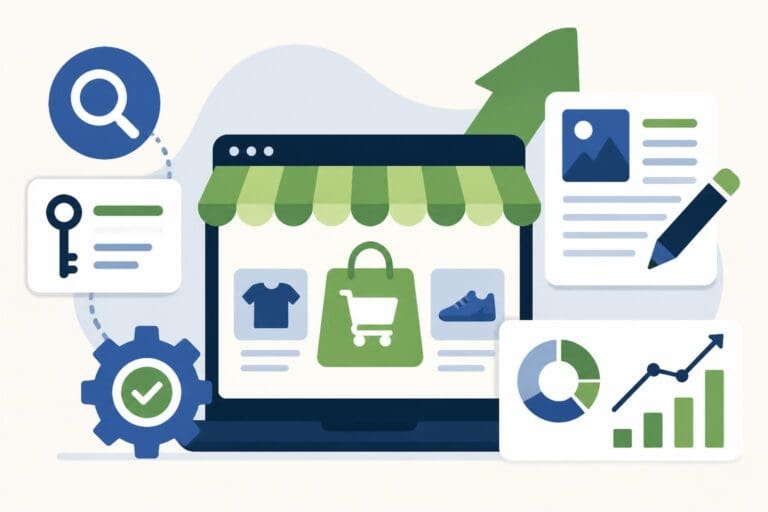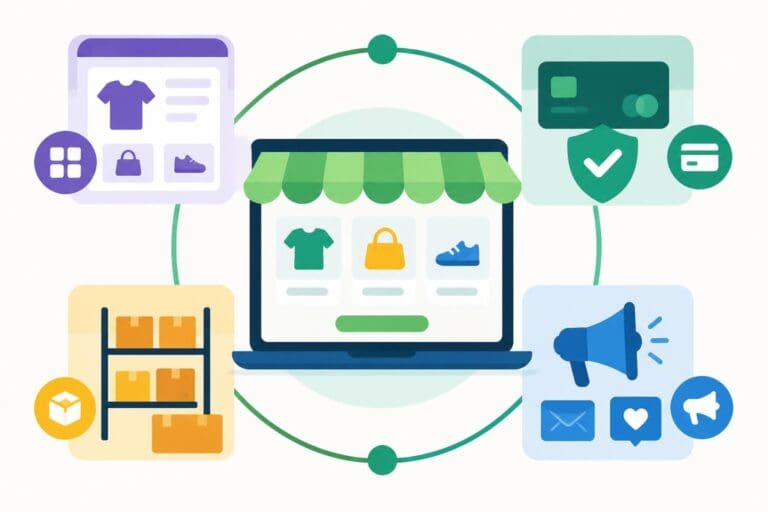
The ecommerce landscape in 2026 demands more than just a functional online store. Success requires a comprehensive approach that integrates design, development, marketing, and ongoing optimization into a cohesive strategy. This is where full service ecommerce solutions become essential for brands looking to scale effectively while maintaining operational efficiency and delivering exceptional customer experiences.
Understanding Full Service Ecommerce Solutions
Full service ecommerce represents a comprehensive approach to building and growing online retail businesses. Rather than cobbling together multiple vendors for different aspects of your digital presence, this model provides end-to-end support through a single partnership that handles everything from initial strategy to ongoing optimization.
What Defines a Full Service Approach
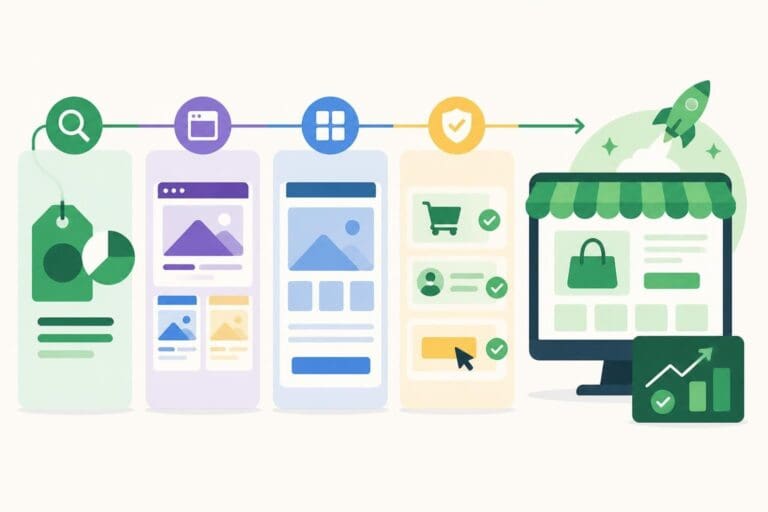
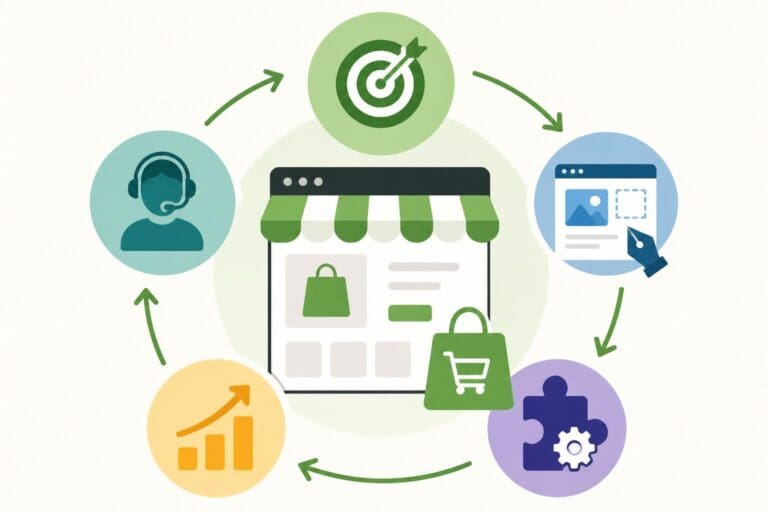
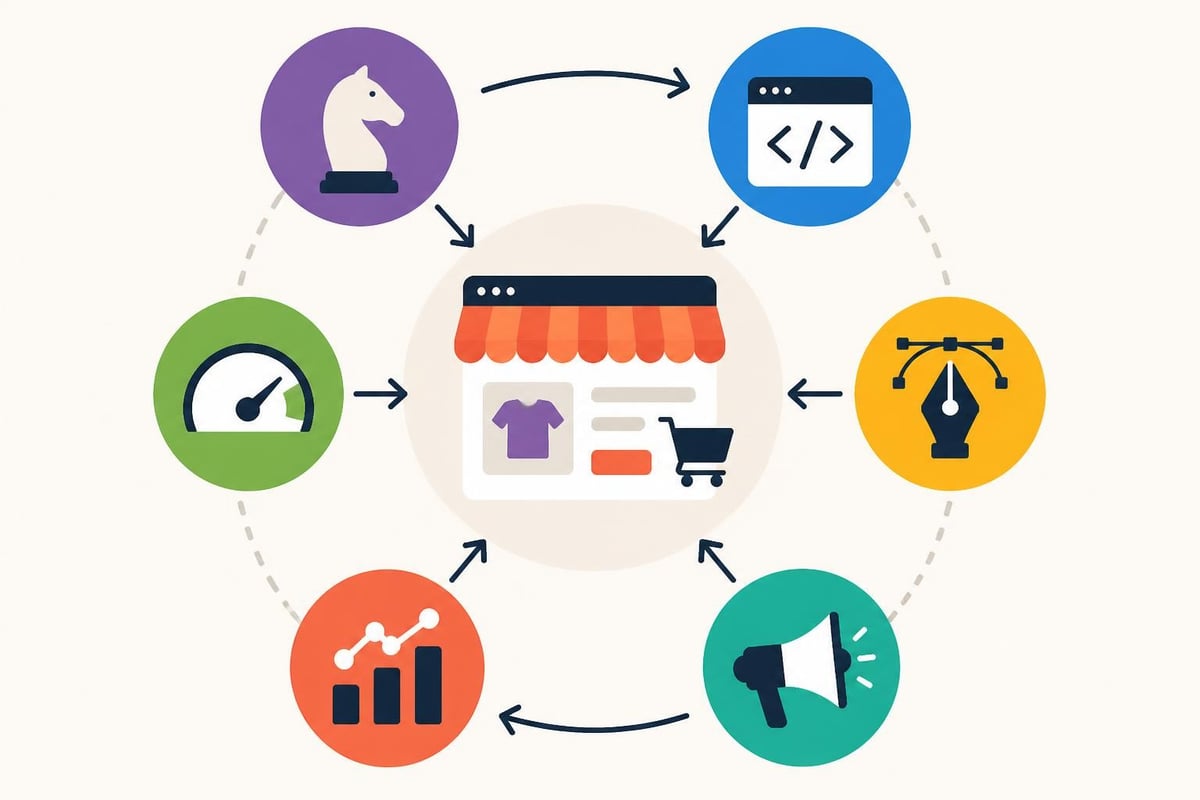
At its core, a full service ecommerce model encompasses every element necessary for online retail success. This includes strategic planning, platform development, user experience design, conversion rate optimization, digital marketing, content creation, analytics, and continuous performance improvement. Full service agencies deliver integrated solutions rather than isolated services, ensuring all components work together seamlessly.
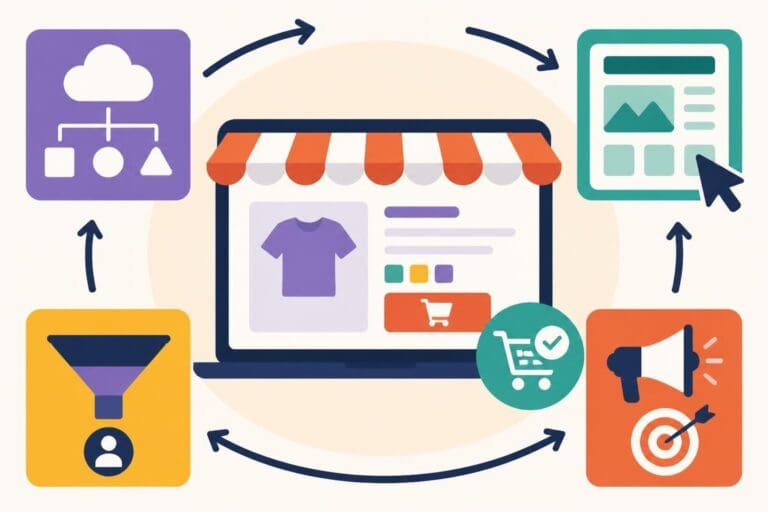
The key differentiator lies in the strategic integration of these services. While traditional agencies might excel in one area, full service providers ensure that design decisions support marketing objectives, development choices enable conversion optimization, and all efforts align with overarching business goals.
Core components typically include:
- Strategic planning and market research
- Platform development and technical infrastructure
- User experience and interface design
- Conversion rate optimization
- Digital marketing and advertising
- Content strategy and creation
- Analytics and performance tracking
- Ongoing support and optimization
The Business Case for Full Service Ecommerce
Adopting a full service ecommerce approach delivers measurable advantages that directly impact your bottom line. These benefits become particularly significant as businesses scale and operational complexity increases.
Operational Efficiency and Resource Optimization
Managing multiple vendors creates coordination challenges that drain time and resources. Each agency has different processes, reporting standards, and communication styles. Full service ecommerce eliminates this fragmentation by centralizing all digital operations under one roof.
This consolidation reduces project management overhead significantly. Instead of coordinating between separate web developers, designers, marketers, and analysts, you work with a unified team that shares information seamlessly. The time saved on coordination translates directly into faster execution and reduced costs.
| Traditional Multi-Vendor Approach | Full Service Ecommerce Model |
|---|---|
| 4-6 separate vendor relationships | Single point of contact |
| Fragmented reporting and metrics | Unified analytics dashboard |
| Complex project coordination | Streamlined communication |
| Higher total cost of ownership | Consolidated, predictable pricing |
Strategic Integration Across All Channels
Full service solutions enable integrated strategies that amplify results across every customer touchpoint. When the same team handles your website development and marketing campaigns, they ensure messaging consistency, design coherence, and technical compatibility from the start.
For example, conversion rate optimization insights from your website inform advertising creative decisions. Email marketing campaigns leverage design elements consistent with your store's user interface. Product launches coordinate seamlessly across all channels because one team orchestrates the entire effort.
This integration becomes especially powerful when launching new products or entering new markets. Rather than briefing multiple agencies separately, you develop comprehensive go-to-market strategies that execute consistently across all platforms.
Essential Services in Full Service Ecommerce
Understanding the specific services that comprise a full service ecommerce offering helps businesses evaluate potential partners and set appropriate expectations for their engagement.
Platform Development and Technical Infrastructure
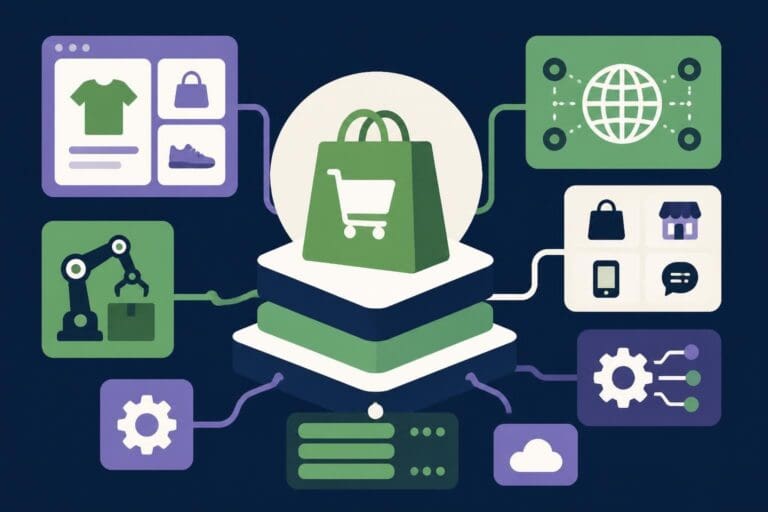
The foundation of any successful ecommerce operation is a robust, scalable platform that supports business growth without constant technical limitations. For Shopify-based businesses, this means building stores optimized for performance, conversion, and user experience while maintaining the flexibility to adapt as your business evolves.
Development priorities include:
- Mobile-responsive design that delivers exceptional experiences across all devices
- Page speed optimization to reduce bounce rates and improve conversion
- Secure checkout processes that build customer trust
- Scalable architecture that handles traffic spikes during peak periods
- Integration capabilities with essential business systems
WebzPlot's approach to Shopify Website Development exemplifies this comprehensive methodology, focusing on creating high-converting stores optimized specifically for direct-to-consumer brands. The emphasis on conversion rate optimization from the initial build ensures your store doesn't just function-it performs.
Digital Marketing and Customer Acquisition
Building a great store means nothing without traffic. Full service ecommerce includes comprehensive digital marketing strategies that drive qualified visitors to your site and convert them into customers.
Modern marketing for ecommerce extends far beyond simple advertising. It encompasses search engine optimization, paid advertising on platforms like Google and Meta, email marketing automation, content marketing, social media engagement, and influencer partnerships. The most effective agencies integrate these channels into cohesive customer acquisition funnels.
Performance-driven marketing focuses on measurable outcomes rather than vanity metrics. Every campaign ties directly to revenue generation, with continuous testing and optimization to improve return on ad spend. Advanced tracking and attribution modeling ensure you understand exactly which channels and campaigns drive your most valuable customers.
Conversion Rate Optimization and User Experience
Getting visitors to your store represents only half the battle. Converting those visitors into customers requires meticulous attention to user experience, persuasive design, and behavioral psychology.
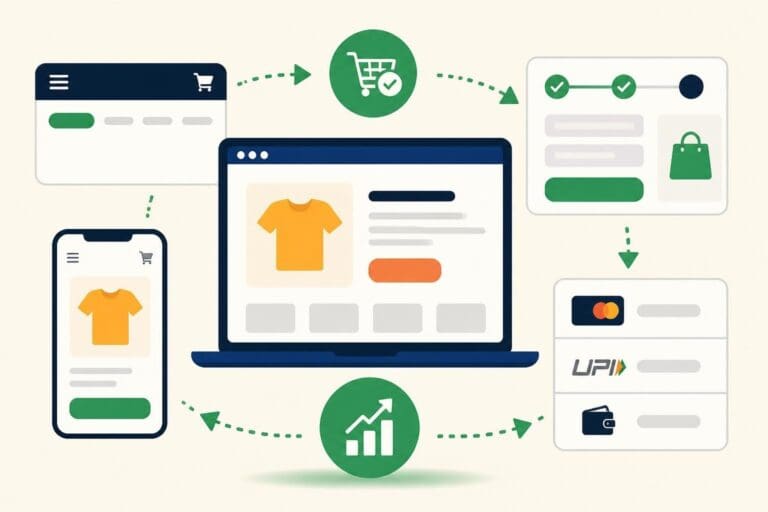
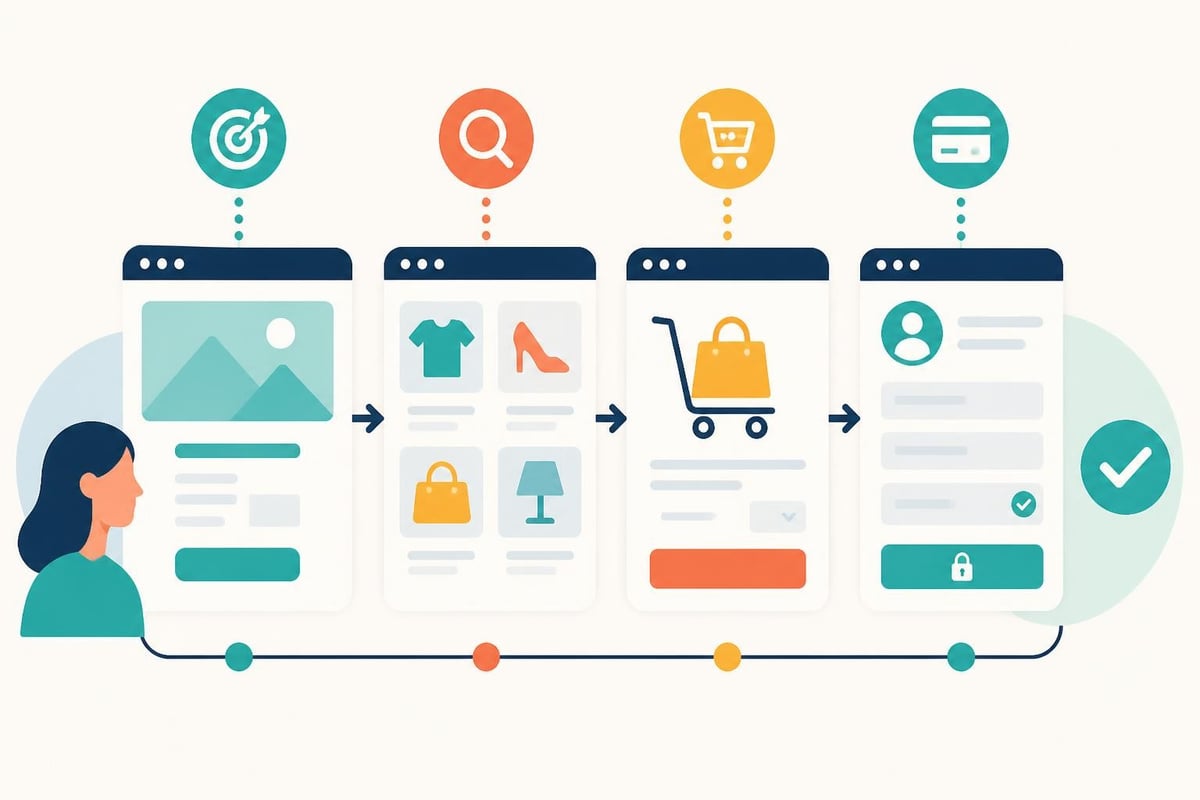
Conversion rate optimization involves systematic testing and refinement of every element that influences purchase decisions. This includes product page layouts, calls-to-action, navigation structures, checkout flows, trust signals, and messaging strategies.
Key CRO focus areas:
- Landing page optimization for paid traffic
- Product page enhancement to increase add-to-cart rates
- Cart abandonment reduction strategies
- Checkout process streamlining
- Mobile experience optimization
- Trust and social proof implementation
Choosing the Right Full Service Ecommerce Partner
Selecting a full service ecommerce partner represents one of the most consequential decisions for your online business. The right partnership accelerates growth, while the wrong choice creates frustration and wasted investment.
Evaluating Experience and Specialization
Not all full service providers offer equal expertise. Look for agencies with demonstrated experience in your specific platform and industry vertical. An agency specializing in Shopify development brings different capabilities than one focused on Magento or custom platforms.
Review case studies and portfolio work to assess whether an agency has successfully solved challenges similar to yours. Have they worked with businesses at your stage of growth? Do they understand your target market? Can they demonstrate measurable results from previous engagements?
Specialization in specific ecommerce platforms creates deeper expertise. Agencies like WebzPlot that focus exclusively on Shopify development develop platform-specific knowledge that generalist agencies cannot match, understanding the nuances of Shopify's ecosystem, app integrations, and optimization opportunities.
Service Integration and Team Structure
Understanding how an agency integrates its services reveals whether they truly operate as a full service provider or simply bundle separate departments under one brand. Ask detailed questions about team collaboration, project workflows, and how different specialties inform each other's work.
The best full service ecommerce agencies structure teams around client accounts rather than functional silos. Your strategist, designer, developer, and marketer should work together regularly, sharing insights and coordinating efforts rather than operating independently.
| Questions to Ask Potential Partners | What to Listen For |
|---|---|
| How do your design and development teams collaborate? | Regular meetings, shared tools, integrated workflows |
| How do marketing insights influence website optimization? | Specific examples of data-driven improvements |
| What's your process for launching new features or campaigns? | Cross-functional planning and coordination |
| How do you measure success across different services? | Unified metrics tied to business objectives |
Scalability and Long-Term Partnership Potential
Your ecommerce partner should grow with your business. Evaluate whether an agency has experience supporting businesses as they scale from startup to established brand. Do they have capabilities for both emerging and enterprise-level businesses?
For Shopify merchants experiencing rapid growth, this might mean transitioning from Shopify to Shopify Plus as transaction volumes increase. Your full service ecommerce partner should guide this evolution, providing solutions appropriate for each growth stage without requiring you to change agencies.
Implementation and Onboarding Strategies
Successfully launching a full service ecommerce partnership requires careful planning and clear communication. The onboarding process sets the foundation for long-term success and determines how quickly you realize value from the relationship.
Discovery and Strategic Planning
The best partnerships begin with comprehensive discovery that goes beyond surface-level requirements. Your agency should invest time understanding your business model, competitive landscape, target customers, unique value proposition, and growth objectives before proposing solutions.
Effective discovery includes:
- Business model analysis and revenue projections
- Customer persona development and journey mapping
- Competitive analysis and market positioning
- Technical audit of existing systems and integrations
- Marketing channel assessment and opportunity identification
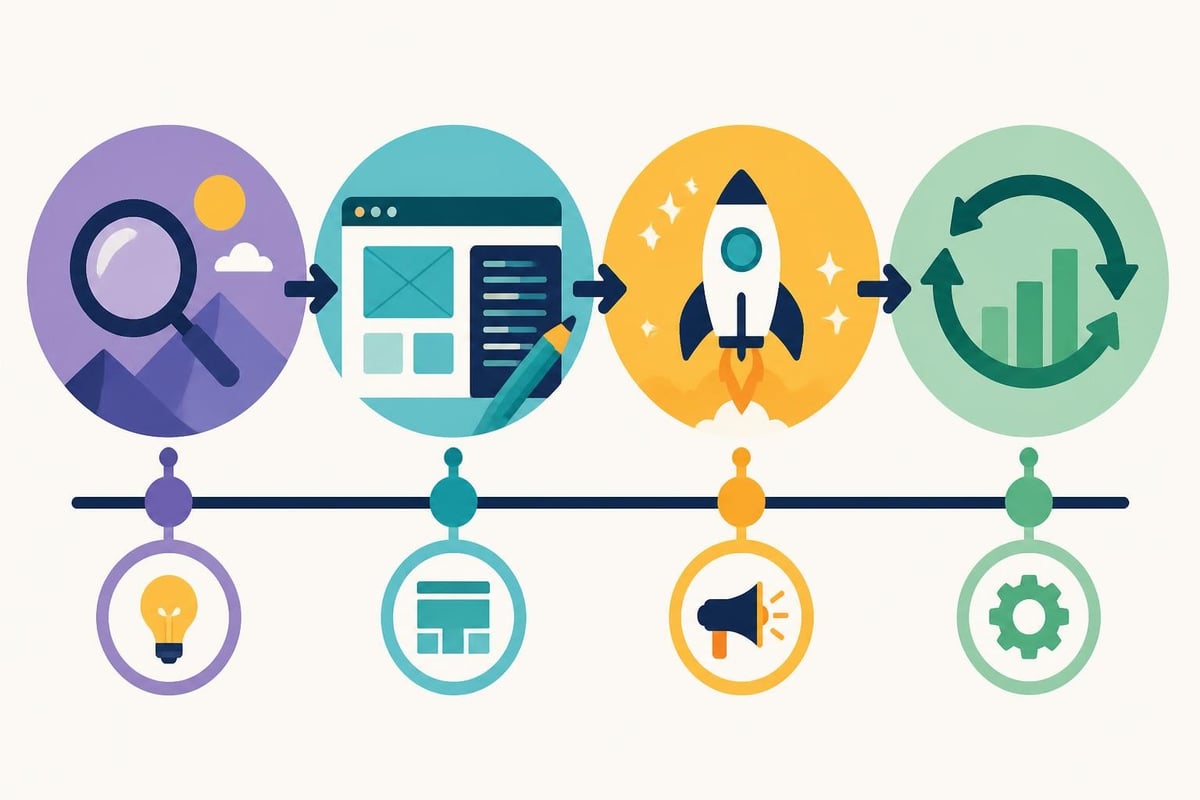
This research informs a strategic roadmap that prioritizes initiatives based on potential impact and resource requirements. Rather than attempting everything simultaneously, phased approaches allow for learning and optimization while maintaining momentum.
Communication Protocols and Project Management
Clear communication protocols prevent misunderstandings and keep projects on track. Establish regular check-in schedules, preferred communication channels, decision-making processes, and escalation procedures from the start.
Best practices include:
- Weekly status meetings with consistent agendas
- Shared project management tools for transparency
- Documented decision logs to maintain alignment
- Defined approval processes for design and development
- Regular strategy reviews to ensure continued alignment
The most successful partnerships maintain open communication without creating meeting overload. Technology tools like collaborative platforms and asynchronous communication help teams stay connected without constant interruptions.
Measuring Success and Continuous Improvement
Full service ecommerce partnerships should deliver measurable results that justify your investment. Establishing clear success metrics and regular performance reviews ensures accountability and identifies optimization opportunities.
Key Performance Indicators for Ecommerce
Different businesses prioritize different metrics based on their growth stage and objectives. However, most ecommerce operations track a core set of KPIs that reveal overall business health.
Essential metrics include conversion rate, average order value, customer acquisition cost, customer lifetime value, return on ad spend, and overall revenue growth. Advanced analytics also track micro-conversions, funnel progression, and channel attribution to understand customer behavior patterns.
Your full service ecommerce partner should provide transparent reporting that connects their activities to these business outcomes. Marketing campaigns should show direct revenue impact, not just impressions or clicks. Website optimizations should demonstrate conversion improvements, not just aesthetic changes.
Testing and Optimization Frameworks
Continuous improvement distinguishes exceptional ecommerce operations from stagnant ones. Full service providers implement systematic testing frameworks that constantly refine performance across all channels.
A/B testing represents the foundation of data-driven optimization. By comparing variations of design elements, messaging, offers, and user flows, teams identify what resonates most effectively with your specific audience. These insights then inform broader strategic decisions.
Beyond individual tests, successful agencies develop optimization roadmaps that tackle high-impact opportunities systematically. This strategic approach to testing prevents scattered efforts and ensures resources focus on changes that meaningfully move business metrics.
Technology Stack and Platform Considerations
The technology foundation supporting your ecommerce operation significantly influences what's possible for growth and optimization. Full service ecommerce partners help navigate the complex ecosystem of platforms, applications, and integrations that power modern online retail.
Platform Selection and Optimization
For businesses building new ecommerce operations, platform selection represents a critical decision with long-term implications. Shopify has emerged as the leading choice for direct-to-consumer brands due to its balance of ease-of-use, scalability, and ecosystem depth.
The platform handles core infrastructure concerns like hosting, security, and payment processing while providing extensive customization capabilities through themes and apps. This allows businesses to launch quickly while maintaining flexibility for future growth.
As businesses scale beyond certain thresholds, Shopify Plus provides enterprise-level capabilities including advanced automation, dedicated infrastructure, and priority support. Understanding when and how to make this transition requires expertise that specialized agencies provide.
Integration Ecosystem Management
No ecommerce platform operates in isolation. Modern stores integrate with numerous systems including customer relationship management software, email marketing platforms, inventory management systems, accounting software, and fulfillment services.
Managing this integration ecosystem requires technical expertise and strategic thinking. Which applications provide the best capabilities for your specific needs? How do different tools communicate with each other? Where might integration gaps create operational challenges?
Full service ecommerce providers evaluate your entire technology stack holistically, ensuring all components work together efficiently. They also stay current on emerging tools and platform updates, advising when new capabilities could benefit your operations.
Content Strategy and Brand Development
Successful ecommerce extends beyond transactions to building meaningful relationships with customers. Content strategy and brand development create the emotional connections that drive loyalty and differentiate your business from competitors.
Content That Converts and Engages
Ecommerce content serves dual purposes: attracting potential customers through search and social channels, and persuading them to purchase once they arrive on your site. Full service providers develop content strategies that address both objectives simultaneously.
Product descriptions, category pages, blog content, buying guides, and educational resources all contribute to organic visibility while providing value to potential customers. The most effective content answers questions customers actually ask, addresses objections they might have, and demonstrates expertise that builds trust.
Visual content has become increasingly important in ecommerce. High-quality product photography, lifestyle images, and video content significantly impact conversion rates. Tools like AdsRaw enable brands to create UGC-style video content at scale, testing different creative approaches to identify what resonates most effectively with target audiences.
Brand Consistency Across Touchpoints
Your brand represents more than a logo and color palette. It encompasses the entire experience customers have with your business across every interaction point. Full service ecommerce ensures brand consistency from initial advertisement through post-purchase communication.
This consistency builds recognition and trust. When customers see your ads, visit your website, receive email communications, and interact with customer service, they should encounter a cohesive experience that reinforces your brand positioning.
Technical execution matters significantly here. When the same team handles your website design and marketing creative, they naturally maintain visual and messaging consistency. This integration prevents the disjointed experiences that occur when different vendors work independently.
Resource Planning and Team Augmentation
Deciding between building internal capabilities versus partnering with a full service ecommerce agency represents a significant strategic choice. Each approach offers distinct advantages depending on your business circumstances.
In-House vs. Agency Expertise
Building comprehensive in-house ecommerce capabilities requires substantial investment in talent acquisition, training, and retention. You need developers, designers, marketers, strategists, and analysts-each requiring competitive compensation and ongoing professional development.
For many businesses, particularly those in earlier growth stages or those outside the technology sector, this investment diverts resources from core competencies. A full service ecommerce partnership provides immediate access to diverse expertise without the overhead of full-time employees.
However, hybrid models also work effectively. Some businesses maintain internal strategic leadership while outsourcing specialized execution to agency partners. This approach combines the institutional knowledge and dedication of internal teams with the breadth of capabilities that agencies provide.
Scaling Capabilities With Business Growth
Your ecommerce needs evolve as your business grows. Early-stage companies prioritize speed to market and basic functionality. Established brands require sophisticated capabilities around personalization, automation, and advanced analytics.
Full service ecommerce partnerships scale naturally with your business. As your needs expand, your agency team grows accordingly, providing access to additional specialists and capabilities without the challenges of recruiting and integrating new team members.
This flexibility proves particularly valuable during periods of rapid growth or seasonal fluctuations. You can increase marketing spend and creative production during peak periods without hiring staff who become underutilized during slower times.
Global Expansion and Market Development
As ecommerce businesses mature, international expansion often represents the next growth frontier. Full service ecommerce partners with global capabilities support this expansion while navigating the complexities of cross-border commerce.
Multi-Market Strategy Development
Expanding into new geographic markets requires more than simply translating your existing site. Different markets have distinct customer preferences, competitive landscapes, regulatory requirements, and cultural considerations that influence strategy.
Full service providers research market opportunities, adapt brand positioning for local relevance, and develop go-to-market strategies appropriate for each region. This might include localized product selections, market-specific pricing strategies, and culturally adapted marketing messaging.
Technical considerations include multi-currency support, international shipping integrations, and compliance with regional data privacy regulations. These elements must work seamlessly to deliver consistent customer experiences regardless of location.
Managing Complexity Across Regions
Operating in multiple markets exponentially increases operational complexity. Different languages, currencies, tax regulations, and fulfillment requirements create challenges that require sophisticated systems and processes.
Your full service ecommerce partner should provide infrastructure that manages this complexity efficiently. This includes content management systems that handle localization, analytics platforms that track performance across regions, and marketing tools that enable region-specific campaigns while maintaining brand consistency.
For businesses exploring international expansion, finding partners with relevant experience becomes critical. Agencies that have successfully launched brands in your target markets bring valuable insights that prevent costly mistakes and accelerate time to revenue.
Full service ecommerce represents the most efficient path to building and scaling successful online retail operations in 2026. By consolidating strategy, development, design, marketing, and optimization under unified partnerships, businesses achieve better results with less complexity and resource drain. Whether you're launching a new direct-to-consumer brand or scaling an established business, WebzPlot delivers the specialized Shopify expertise and integrated approach necessary to create high-converting stores that drive sustainable growth in competitive digital markets.