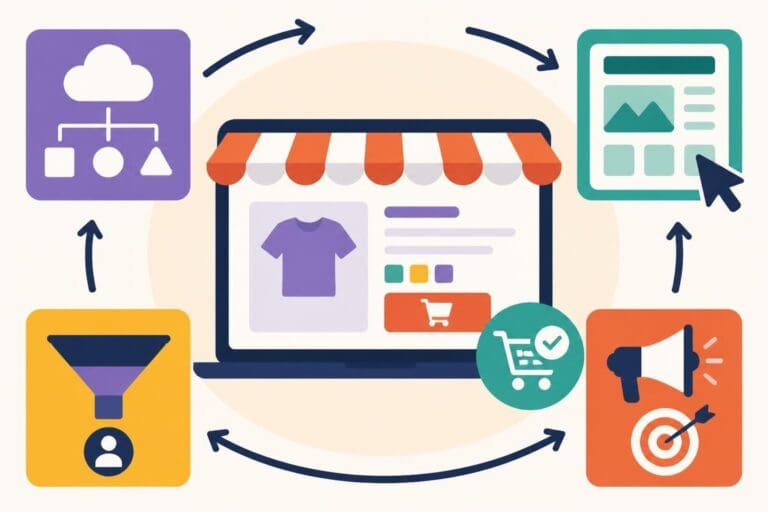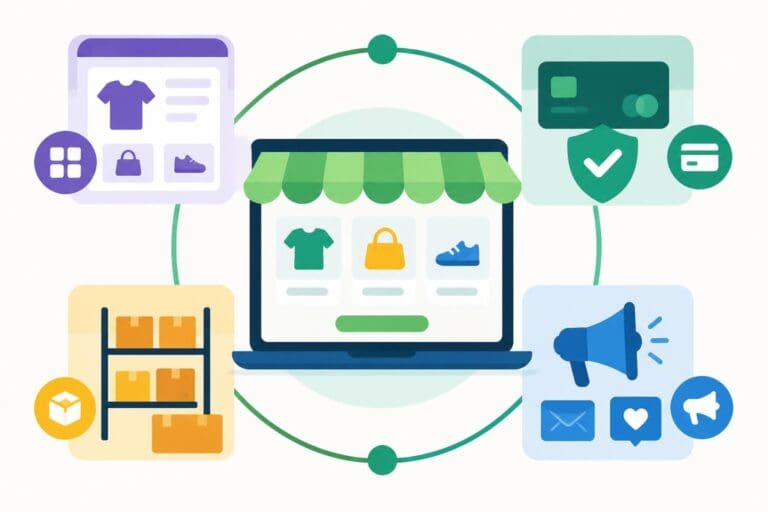
Migrating your e-commerce store to Shopify represents a significant investment in your business's future. Whether you're outgrowing your current platform, seeking better performance, or looking to reduce operational complexity, the migration process requires careful planning and expert execution. While the prospect of moving thousands of products, customer records, and order histories might seem daunting, partnering with experienced shopify migration experts ensures your transition preserves critical data, maintains search rankings, and minimizes business disruption.
Why Businesses Choose Shopify Migration Experts
The decision to migrate platforms shouldn't be taken lightly, and neither should the choice of who handles that migration. Professional migration specialists bring technical expertise, strategic planning capabilities, and proven methodologies that protect your business throughout the transition.
Technical Complexity Requires Specialized Knowledge
E-commerce platforms vary significantly in their data structures, APIs, and architectural frameworks. What works seamlessly on WooCommerce doesn't translate directly to Shopify's ecosystem. Migration experts understand these nuances and can map data fields correctly, preserve product variants, maintain customer passwords when possible, and ensure order histories remain intact.
Key technical challenges migration experts solve:
- Database schema translation between different platform architectures
- Custom functionality replication within Shopify's framework
- Third-party integration reconfiguration and testing
- Payment gateway migration without transaction history loss
- Multi-currency and international store considerations
The technical scope extends beyond simple data transfer. Experts must evaluate your current platform's custom features and determine how to replicate or improve them within Shopify's environment, often leveraging apps from the Shopify ecosystem or developing solutions tailored to your specific requirements.
SEO Preservation Makes or Breaks Migration Success
Search engine optimization represents years of accumulated value for established online stores. One migration mistake can decimate organic traffic overnight. Shopify migration experts prioritize SEO preservation through meticulous redirect mapping, URL structure planning, and metadata transfer.
| SEO Element | Migration Risk | Expert Solution |
|---|---|---|
| URL Structure | Broken links, 404 errors | 301 redirect mapping for every URL |
| Product Metadata | Lost titles, descriptions | Complete meta field migration |
| Image Alt Text | Missing accessibility data | Alt text preservation and optimization |
| Internal Linking | Broken navigation paths | Link structure audit and correction |
| Schema Markup | Lost rich snippets | Structured data reimplementation |
Professional migration specialists conduct pre-migration SEO audits, create comprehensive redirect plans, and verify search console integration immediately post-launch. This attention to detail prevents the traffic drops that plague DIY migrations.
The Migration Process: What Experts Actually Do
Understanding the migration workflow helps you appreciate the value professional services deliver. Shopify migration experts follow systematic approaches that minimize risk while maximizing outcome quality.
Discovery and Planning Phase
Every successful migration begins with thorough discovery. Experts analyze your current platform, catalog your data types, identify custom functionality, and document integration requirements. This phase typically includes:
- Current platform audit – Cataloging all products, collections, customers, orders, and content
- Custom feature inventory – Documenting specialized functionality requiring replication
- Integration mapping – Identifying all third-party services and APIs
- SEO baseline establishment – Recording current rankings, traffic, and conversion metrics
- Timeline development – Creating realistic schedules with milestone definitions
The planning phase also involves stakeholder interviews to understand business priorities, peak season timing, and acceptable downtime windows. Migration experts know that timing matters, avoiding launches during Black Friday preparation or other critical sales periods.
Data Migration and Testing
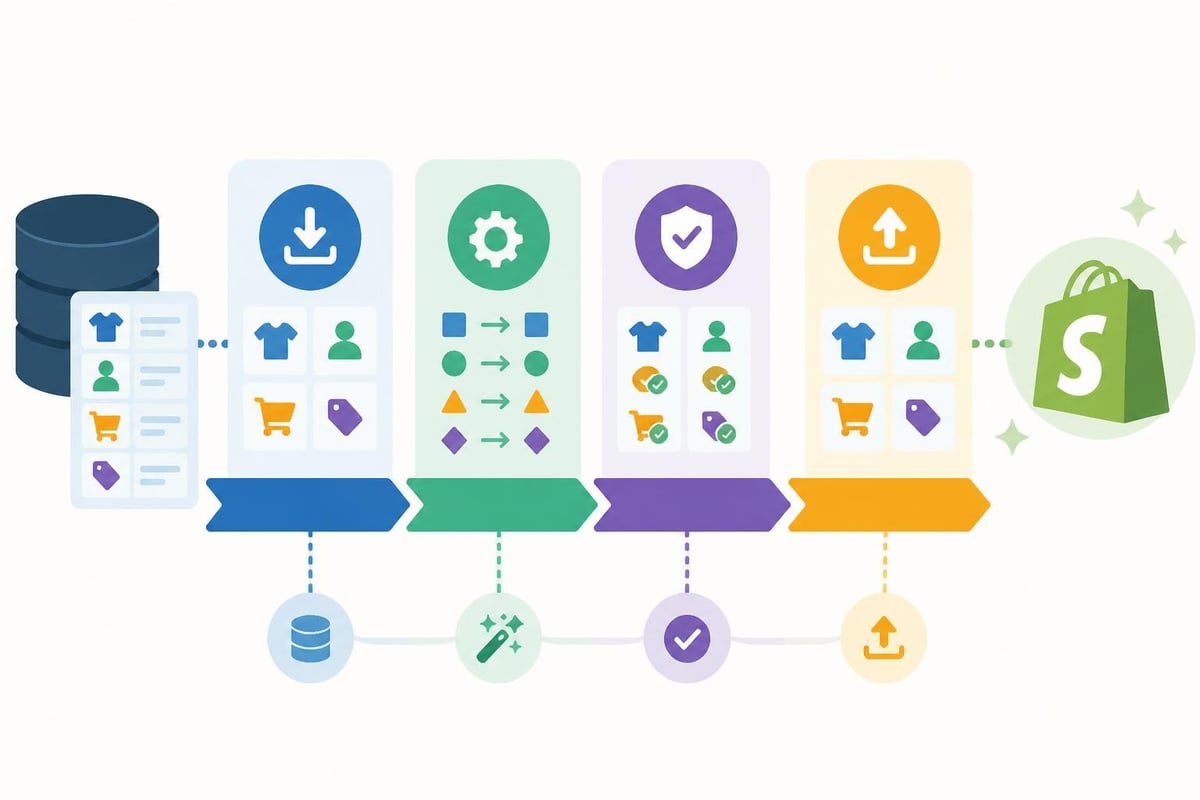
With planning complete, experts move into the technical migration phase. This stage involves extracting data from your current platform, transforming it to match Shopify's requirements, and importing it into your new store environment.
The data migration workflow includes:
- Product catalog transfer with variants, images, and inventory levels
- Customer account migration with order histories and account details
- Order data import for reporting and customer service continuity
- Content migration including blog posts, pages, and media libraries
- Discount codes and gift card balance transfers
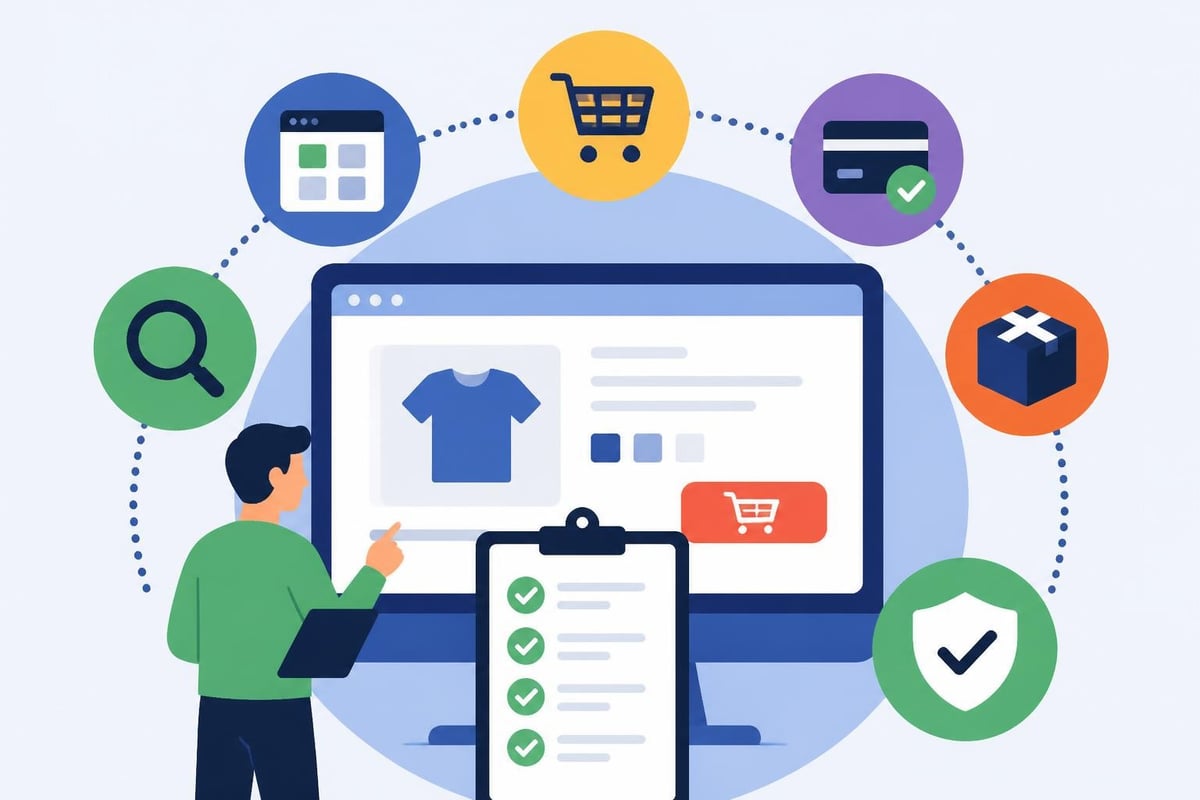
Testing represents the most critical phase. Experts don't simply import data and hope for the best. They verify product displays, test checkout flows, confirm email notifications, validate inventory synchronization, and ensure every integration functions correctly. This rigorous testing prevents the disasters that occur when stores launch without proper validation.
Choosing the Right Shopify Migration Partner
Not all migration services deliver equal results. Selecting the right partner requires evaluating expertise, methodology, and business alignment beyond basic technical capabilities.
Experience with Your Source Platform
Generic migration knowledge isn't enough. Your chosen experts should demonstrate specific experience migrating from your current platform to Shopify. A team that has successfully completed dozens of WooCommerce to Shopify migrations understands those specific challenges differently than generalists.
When evaluating potential partners, ask about their experience with migrations similar to yours. Shopify case studies showcase successful transitions, but your migration partner should provide references from businesses comparable to yours in size, complexity, and industry.
Methodology and Project Management
Professional shopify migration experts follow documented methodologies with clear communication protocols. They should provide:
- Detailed project timelines with specific milestones
- Regular progress updates and stakeholder meetings
- Transparent risk management strategies
- Clear escalation paths for issues
- Post-launch support commitments
| Evaluation Criteria | Questions to Ask | Red Flags |
|---|---|---|
| Experience Level | How many migrations have you completed? | Vague answers, no specific numbers |
| Timeline Realism | What's a realistic timeline for my store? | Promises of extremely fast completion |
| Testing Approach | How do you validate migration success? | Minimal or no testing phase mentioned |
| SEO Strategy | How do you preserve search rankings? | No mention of redirects or SEO audit |
| Support Terms | What happens after launch? | No post-launch support offering |
WebzPlot takes a comprehensive approach to Shopify website development that extends to migration projects, ensuring not just successful data transfer but optimized store performance from day one.
Common Migration Challenges and Expert Solutions
Even with professional assistance, migrations present challenges. Understanding these obstacles helps you prepare and recognize when your migration partner demonstrates true expertise.
Custom Functionality Replication
Many businesses have invested in platform-specific customizations that don't transfer automatically. Experts must evaluate each custom feature and determine the best Shopify implementation approach, whether through native features, third-party apps, or custom development.
Common custom features requiring special attention:
- Advanced product configurators or builders
- Subscription and membership systems
- Complex pricing rules and customer group discounts
- Multi-warehouse inventory management
- Specialized shipping calculations
Professional migration teams don't simply replicate existing functionality. They often identify opportunities to improve workflows using Shopify's modern capabilities and ecosystem.
Downtime Minimization Strategies
While some migration approaches require extended downtime, shopify migration experts employ strategies that minimize business disruption. The goal is maintaining sales continuity throughout the transition process.
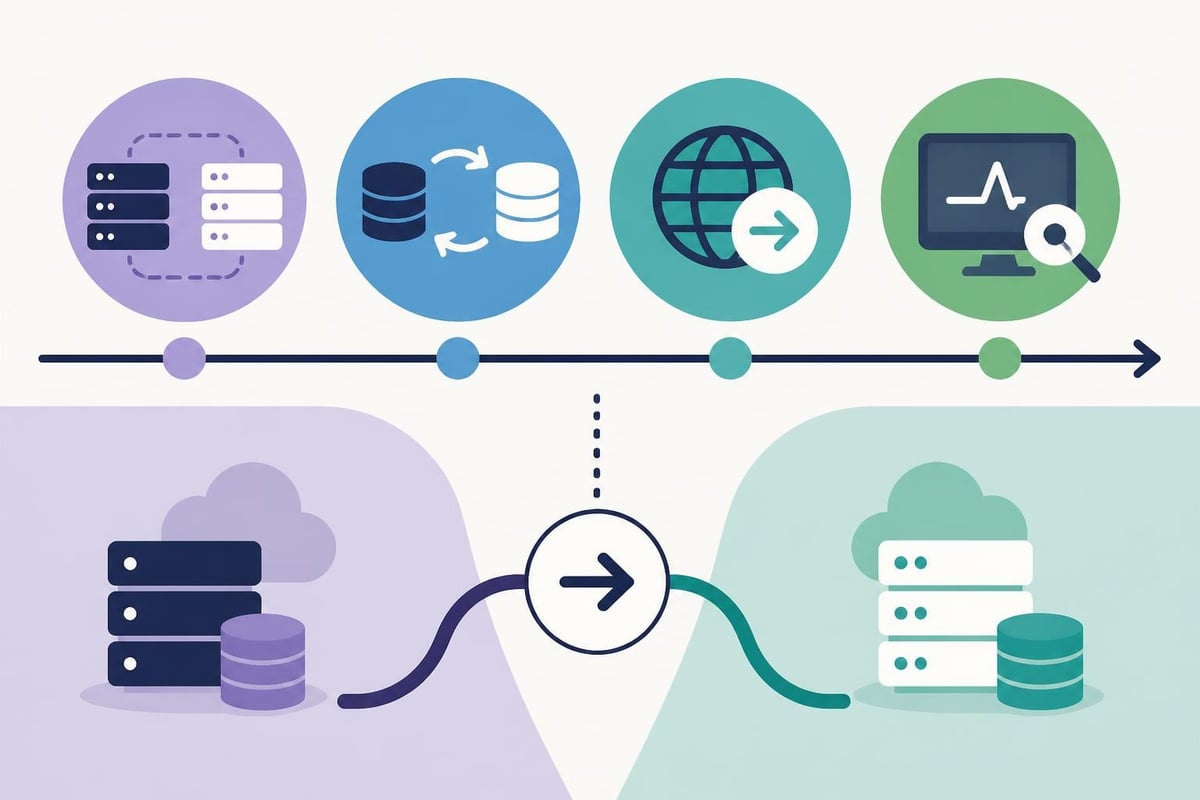
- Parallel environment development – Building the complete Shopify store while the current platform remains live
- Incremental data synchronization – Updating product and inventory data during development
- Final cutover planning – Executing the DNS switch during low-traffic periods
- Fallback procedures – Maintaining ability to revert if critical issues emerge
Some migrations achieve zero downtime by using sophisticated synchronization tools and carefully orchestrated cutover procedures. The Harborline Supply Co. case study demonstrates how complex migrations involving hundreds of thousands of SKUs can succeed without business interruption.
Post-Migration Optimization and Growth
The launch date isn't the finish line. Experienced migration experts understand that post-launch optimization delivers the real return on migration investment.
Performance Optimization Beyond Basic Migration
Simply transferring your store to Shopify doesn't automatically guarantee optimal performance. Experts conduct post-launch optimization focusing on:
- Page speed analysis and improvement – Optimizing images, reducing app bloat, implementing efficient themes
- Conversion rate optimization – Analyzing checkout flows, improving product pages, streamlining navigation
- Mobile experience refinement – Ensuring responsive design excellence across all devices
- App ecosystem optimization – Removing redundant apps, configuring integrations efficiently
For enterprise clients, Shopify Plus development services provide advanced capabilities including custom checkout modifications, wholesale channel creation, and automation workflows that weren't possible on previous platforms.
Ongoing Support and Iteration
The best migration partners don't disappear after launch. They provide ongoing support as your team adapts to the new platform and as business needs evolve.
Post-launch support typically includes:
- Platform training for your team members
- Issue resolution during the stabilization period
- Performance monitoring and optimization recommendations
- Feature enhancement planning and implementation
- Seasonal preparation assistance
This continued partnership ensures you extract maximum value from your Shopify investment rather than simply matching previous platform capabilities.
Migration Cost Considerations and ROI
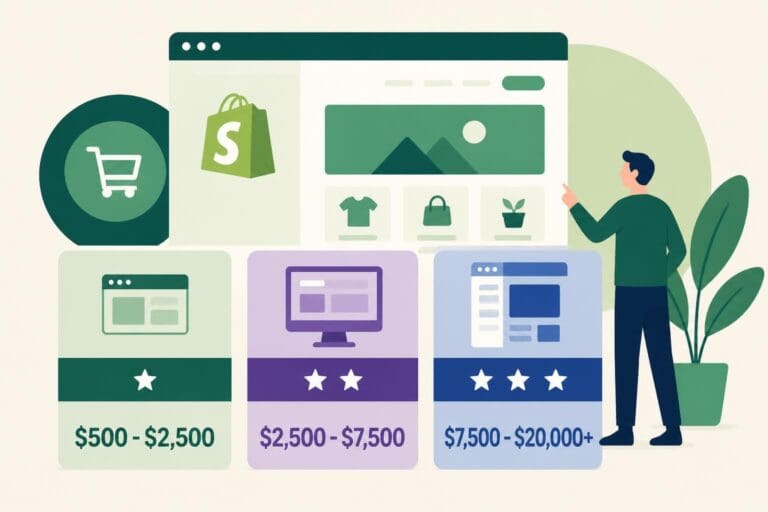
Understanding migration costs helps you budget appropriately and evaluate proposals from different service providers. Shopify migration experts typically structure pricing based on migration complexity rather than simple hourly rates.
Factors Affecting Migration Investment
Migration costs vary significantly based on several key factors. Transparent migration partners provide detailed quotes that account for your specific situation rather than generic package pricing.
| Cost Factor | Impact on Investment | Typical Range |
|---|---|---|
| Product Count | Data volume and processing time | 100-100,000+ products |
| Custom Features | Development complexity | Basic to highly specialized |
| Integration Quantity | API work and testing requirements | 3-50+ integrations |
| SEO Requirements | Redirect mapping complexity | 100-10,000+ redirects |
| Timeline Urgency | Resource allocation intensity | 4-16+ weeks |
A comprehensive migration guide outlines typical timeline and cost considerations for different business sizes and complexity levels.
Calculating Migration Return on Investment
While migration costs represent significant investment, businesses should evaluate ROI through multiple lenses. The value extends beyond immediate functionality to include operational efficiency, performance improvements, and growth enablement.
ROI considerations include:
- Reduced platform fees and hosting costs
- Decreased development and maintenance expenses
- Improved conversion rates from better user experience
- Increased average order values through enhanced features
- Reduced customer service burden from intuitive interfaces
- Faster time-to-market for new features and campaigns
Many businesses discover their migration pays for itself within 6-12 months through operational cost savings alone, before accounting for revenue improvements.
The Agency Advantage for Shopify Migrations
While freelancers and in-house teams can handle migrations, partnering with a specialized agency provides distinct advantages that protect your investment and accelerate success.
Comprehensive Service Integration
Agencies like WebzPlot don't just move your data. They optimize your entire digital presence during migration, integrating development expertise with marketing strategy to ensure your new Shopify store performs from day one. This holistic approach considers conversion optimization, user experience design, and marketing integration throughout the migration process.
The Shopify agency approach combines technical migration capabilities with strategic business thinking, ensuring your new platform supports not just current operations but future growth objectives.
Team Depth and Specialized Expertise
Migrations require diverse skill sets including backend development, frontend design, SEO expertise, project management, and quality assurance. Agencies maintain teams with specialized knowledge in each area rather than depending on generalist capabilities.
Key team members in professional migrations:
- Technical architects who design migration approaches
- Backend developers who handle data transformation
- Frontend developers who implement theme and functionality
- SEO specialists who preserve and enhance search visibility
- Project managers who coordinate timelines and communication
- QA engineers who verify migration completeness and quality
This team depth ensures every migration aspect receives expert attention rather than compromising quality due to skill gaps.
Risk Management and Accountability
Established agencies carry insurance, maintain established processes, and stake their reputation on successful outcomes. This accountability provides protection that individual contractors rarely match.
Furthermore, agencies have experience navigating migration challenges and possess resources to address unexpected issues without project delays. If a key team member becomes unavailable, agencies maintain continuity through their broader team. Freelancers offer no such redundancy.
Platform-Specific Migration Considerations
Different source platforms present unique challenges requiring specialized knowledge from your shopify migration experts. Understanding these platform-specific considerations helps you evaluate whether potential partners have relevant experience.
WooCommerce to Shopify Transitions
WooCommerce migrations involve moving from a self-hosted WordPress environment to Shopify's hosted platform. This transition requires careful attention to product variations, WordPress content structure, and plugin functionality replication.
Experts must map WooCommerce's flexible but complex product structure to Shopify's more streamlined approach while preserving essential functionality. The process often reveals opportunities to simplify overly complex product configurations that developed organically over time.
Magento to Shopify Migrations
Magento stores often feature sophisticated B2B functionality, complex product catalogs, and advanced customization. Migration experts must evaluate which Magento features truly provide business value versus which represent unnecessary complexity accumulated over years of platform use.
For enterprise Magento stores, Shopify Plus provides comparable capabilities with dramatically reduced operational overhead. The migration often delivers immediate cost savings through eliminated server management and development maintenance.
BigCommerce to Shopify Transitions
BigCommerce and Shopify share similar modern architectures, making these migrations relatively straightforward from a technical perspective. However, experts must carefully map BigCommerce's built-in features to appropriate Shopify equivalents, often leveraging apps for functionality BigCommerce includes natively.
Understanding transparent website pricing structures helps businesses budget for migrations while understanding the full scope of development, apps, and ongoing costs.
Measuring Migration Success
Defining success metrics before migration launch provides objective standards for evaluating outcomes. Shopify migration experts help establish realistic benchmarks and tracking mechanisms.
Technical Performance Metrics
Successful migrations maintain or improve upon previous platform performance across multiple dimensions. Tracking these metrics provides concrete evidence of migration success.
Key technical performance indicators:
- Page load times compared to previous platform
- Server response times and uptime percentages
- Mobile performance scores and user experience metrics
- Checkout completion rates and abandonment statistics
- Search functionality speed and accuracy
These technical metrics directly impact user experience and conversion rates, making them critical success indicators beyond simple data transfer completion.
Business Outcome Measurements
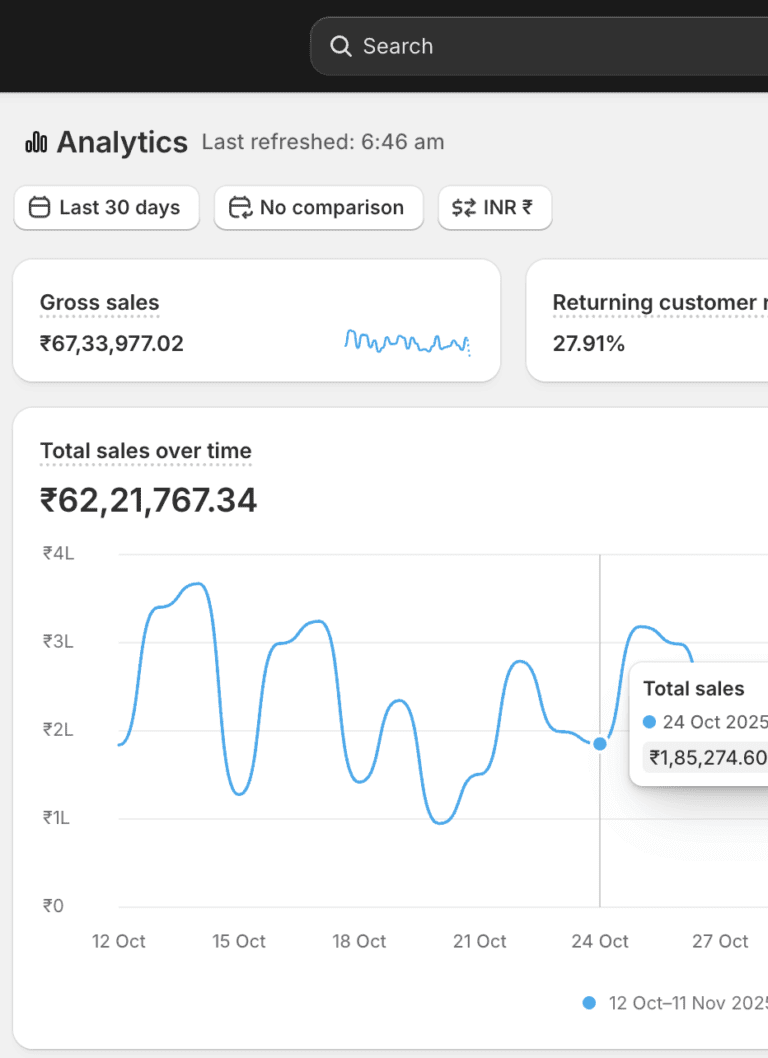
Ultimately, migration success comes down to business results. Expert migration partners help establish realistic expectations for business metrics while working to exceed baseline performance.
| Metric Category | Success Indicators | Tracking Methods |
|---|---|---|
| Revenue | Sales maintenance or growth post-launch | Analytics comparison pre/post migration |
| Conversion Rate | CVR stability or improvement | Funnel analysis and testing |
| Average Order Value | AOV trends following migration | Transaction data analysis |
| Customer Retention | Repeat purchase rates | Customer cohort analysis |
| Operational Efficiency | Time saved on platform management | Team productivity assessment |
WebzPlot focuses on creating high-converting, CRO-optimized Shopify stores that don't just match previous performance but exceed it through strategic design and functionality improvements implemented during the migration process.
Successful Shopify migrations require more than technical competence; they demand strategic thinking, meticulous planning, and commitment to business outcomes. The right migration partner protects your accumulated SEO value, preserves critical data, and positions your store for accelerated growth on a modern platform. WebzPlot combines deep Shopify expertise with conversion-focused development and strategic marketing insight to ensure your migration delivers immediate performance improvements and long-term competitive advantage.