Selecting the best ecommerce website design company can make or break your online business success. With thousands of agencies claiming expertise in ecommerce development, the challenge isn't finding options but identifying which partner will genuinely deliver results. Your choice affects everything from initial conversion rates to long-term scalability, making this decision one of the most critical investments in your digital commerce journey. The right design partner brings more than aesthetic appeal-they combine technical expertise, conversion optimization knowledge, and strategic thinking to create stores that actually generate revenue.
Critical Factors When Evaluating Design Companies
Choosing a design partner requires looking beyond portfolio aesthetics. The best ecommerce website design company demonstrates measurable expertise across multiple dimensions that directly impact your bottom line.
Platform Specialization Matters
Platform expertise creates significant competitive advantages. Agencies that specialize in specific platforms like Shopify bring deep technical knowledge that generalists simply cannot match. This specialization means they understand platform limitations, leverage native features effectively, and implement optimizations that generic developers might miss.
Key specialization benefits include:
- Faster development timelines through platform mastery
- Advanced feature implementation using platform-specific tools
- Better performance optimization leveraging platform architecture
- Reduced technical debt from proper implementation
- Access to platform-specific integrations and apps
When evaluating agencies, examine whether they truly specialize or simply claim experience across multiple platforms. Specialists invest in continuous platform education, maintain certifications, and contribute to platform communities. This depth translates to better outcomes for your store.
Conversion Rate Optimization Expertise
Beautiful design means nothing without conversions. The best ecommerce website design company integrates CRO principles from the initial planning phase rather than treating it as an afterthought. This approach ensures every design decision supports revenue generation.
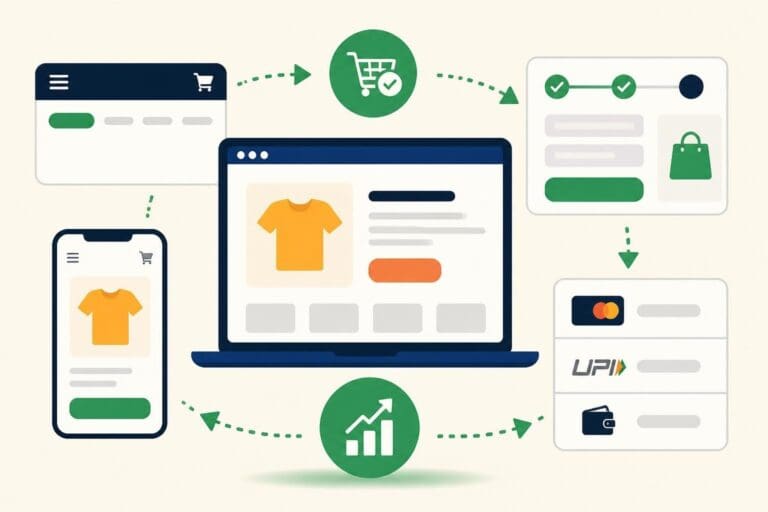
CRO-focused agencies analyze user behavior patterns, implement strategic element placement, optimize checkout flows, and conduct systematic testing. They understand that ecommerce design serves one primary purpose: converting visitors into paying customers. This perspective fundamentally changes how they approach projects.

| CRO Element | Impact on Conversions | Implementation Priority |
|---|---|---|
| Checkout Flow | 20-35% improvement | Critical |
| Product Pages | 15-25% improvement | High |
| Mobile Experience | 30-40% improvement | Critical |
| Page Speed | 10-20% improvement | High |
| Trust Signals | 8-15% improvement | Medium |
Technical Capabilities That Distinguish Leaders
Technical excellence separates competent agencies from exceptional ones. The foundation of any successful ecommerce store rests on solid technical implementation that supports both current needs and future growth.
Performance and Speed Optimization
Site speed directly correlates with conversion rates and customer satisfaction. Research consistently shows that every second of load time costs conversions. The best agencies prioritize performance from day one, implementing lazy loading, optimizing images, minimizing code bloat, and leveraging content delivery networks.
Performance optimization requires ongoing attention, not one-time implementation. Leading agencies monitor speed metrics, identify bottlenecks proactively, and maintain optimal performance as stores scale. They understand core ecommerce design principles that balance visual appeal with technical performance.
Mobile-First Development Approach
Mobile commerce dominates the ecommerce landscape in 2026. A mobile-first approach ensures your store delivers exceptional experiences on the devices most customers actually use. This methodology designs for mobile constraints first, then progressively enhances for larger screens.
Mobile-first implementation includes:
- Touch-optimized navigation and buttons
- Streamlined checkout processes
- Responsive image delivery
- Simplified forms and data entry
- Fast loading on cellular networks
The distinction between mobile-responsive and mobile-first is substantial. Responsive design adapts desktop layouts for mobile, while mobile-first builds specifically for mobile users then scales up. This fundamental difference produces significantly better mobile experiences.
Integration and Scalability Planning
Your store needs to integrate with numerous systems: payment processors, inventory management, email marketing, analytics, and more. The best ecommerce website design company architects these integrations thoughtfully, ensuring reliable data flow and system stability.
Scalability planning addresses future growth before it becomes a problem. This includes database optimization, server architecture planning, app ecosystem management, and API implementation. Agencies experienced in growth understand that today's design decisions create tomorrow's limitations or opportunities.
Evaluating Agency Track Record and Results
Past performance indicates future results more reliably than promises or presentations. Scrutinizing an agency's track record reveals their true capabilities and working style.
Case Studies and Portfolio Analysis
Examine portfolios critically, looking beyond visual appeal to understand the business context and results. The best agencies present case studies that detail the challenge, their approach, specific implementations, and measurable outcomes. Vague testimonials or purely aesthetic showcases suggest limited business impact.
Request examples in your industry or adjacent markets. While good agencies can work across sectors, relevant experience accelerates timelines and reduces risk. They understand your customer psychology, competitive landscape, and industry-specific requirements.

Client Retention and References
Client retention rates reveal satisfaction levels more accurately than testimonials. Agencies with high retention rates consistently deliver value, maintain good relationships, and produce results that justify continued investment. Request references from clients who have worked with the agency for multiple years.
When speaking with references, ask specific questions about communication responsiveness, problem-solving capabilities, deadline adherence, and post-launch support. These operational factors often determine project success more than technical skills.
Service Offerings and Support Models
Comprehensive service offerings indicate an agency's ability to support your complete ecommerce journey, not just initial design and development.
Strategic Planning and Consultation
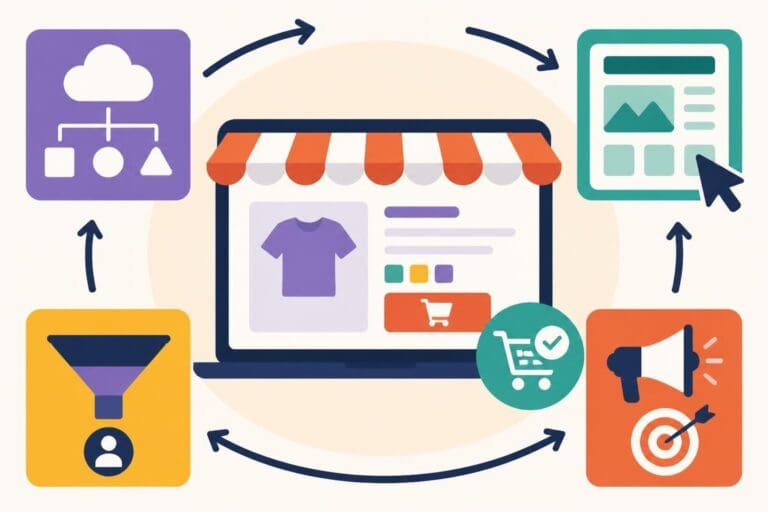
The best ecommerce website design company begins engagements with strategic discovery rather than jumping into design. This phase examines your business model, target audience, competitive positioning, and growth objectives. Strategic foundations ensure the final product supports business goals rather than just looking attractive.
Strategic services should include market research, user persona development, customer journey mapping, competitive analysis, and conversion funnel planning. This groundwork directly influences design decisions and feature prioritization.
Ongoing Optimization and Support
Launch day represents the beginning, not the end, of optimization work. Stores require continuous refinement based on real user data and market changes. Leading agencies offer retention packages that include performance monitoring, regular updates, feature additions, and strategic optimization.
For businesses seeking enterprise-level Shopify solutions, partners who understand scaling challenges and can support rapid growth become invaluable. The relationship evolves from vendor to strategic partner as your store matures.
| Support Model | Best For | Typical Cost | Key Benefits |
|---|---|---|---|
| Project-Based | New launches | One-time fee | Lower initial cost |
| Monthly Retainer | Growing stores | $2,000-$10,000/mo | Continuous optimization |
| Revenue Share | High-growth brands | % of revenue | Aligned incentives |
| Hybrid | Established businesses | Mixed structure | Flexibility |
Design Philosophy and User Experience Approach
An agency's design philosophy reveals how they think about ecommerce and customer experience. This perspective influences every decision throughout your project.
Data-Driven Design Decisions
Opinions vary, but data tells the truth. The best agencies ground design decisions in analytics, heat mapping, user testing, and conversion data rather than personal preferences or trends. They establish baseline metrics, test variations systematically, and iterate based on evidence.
This approach requires patience and discipline. While intuition plays a role, data validation ensures changes actually improve performance. Agencies committed to ecommerce best practices continuously test and refine their approaches based on results.
Brand Consistency and Customization
Your store should reflect your brand identity while maintaining conversion-focused functionality. This balance requires understanding brand strategy alongside technical implementation. The best agencies develop design systems that maintain consistency while allowing growth and evolution.
Customization capabilities matter significantly. While templates provide starting points, successful stores differentiate through unique elements that reflect brand positioning. Evaluate how agencies approach customization within platform constraints.
Investment Considerations and Pricing Models
Understanding pricing structures helps set realistic expectations and identify potential red flags. The best ecommerce website design company maintains transparent pricing that reflects their value delivery.
Understanding True Project Costs
Initial design and development represents one portion of total investment. Factor in ongoing costs including hosting, apps and integrations, payment processing fees, security and maintenance, and optimization services. Agencies that help you understand total cost of ownership demonstrate integrity and client focus.
Exceptionally low pricing often signals inexperience, offshore development with communication challenges, or template-based approaches with limited customization. While budget constraints are real, understanding what different price points deliver helps make informed decisions.
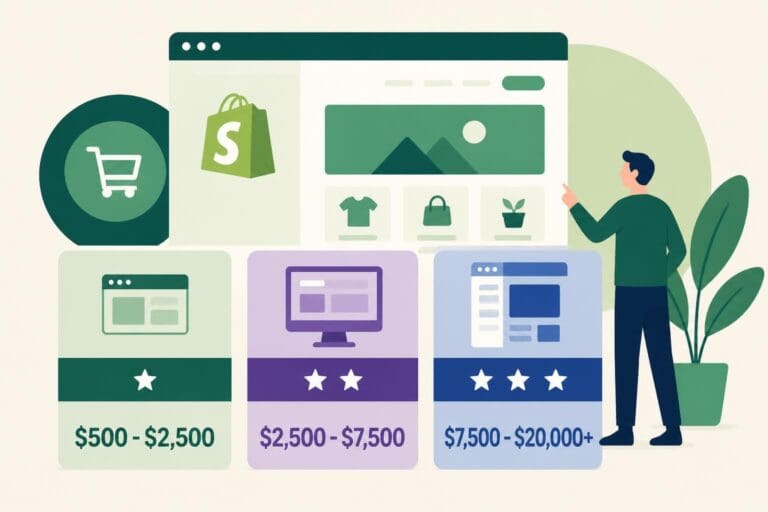
Typical investment ranges for ecommerce projects:
- Basic store setup: $5,000-$15,000
- Mid-market store: $15,000-$50,000
- Advanced enterprise store: $50,000-$200,000+
- Ongoing monthly support: $1,000-$10,000
ROI Expectations and Measurement
The best agencies discuss ROI openly and establish clear performance metrics. While they cannot guarantee specific revenue outcomes, they should articulate how their approach drives conversions and what success indicators to monitor.
Request information about average client ROI, typical payback periods, and performance benchmarks. Agencies confident in their delivery welcome these conversations and provide realistic expectations rather than inflated promises.
Communication and Project Management Standards
Technical capabilities matter, but communication quality determines day-to-day experience and project success.
Transparency and Reporting
Regular communication prevents surprises and maintains alignment. The best agencies establish clear reporting cadences, provide access to project management tools, communicate proactively about challenges, and document decisions systematically.

Evaluate their communication during the sales process. Responsiveness, clarity, and professionalism during initial conversations predict future working relationships. Agencies that go dark after signing contracts create frustration and delays.
Timeline Realism and Deadline Management
Unrealistic timelines create problems throughout projects. The best ecommerce website design company provides honest timeline estimates that account for revision cycles, approval processes, integration complexities, and testing requirements.
While speed matters, quality and thoroughness matter more. Agencies that promise impossibly fast delivery often cut corners, skip testing, or produce work requiring expensive revisions. Sustainable timelines produce better long-term outcomes.
Industry Recognition and Credentials
Certifications and partnerships indicate commitment to excellence and ongoing education. While not the only evaluation criteria, they provide valuable signals about agency capabilities.
Platform Partner Status
Official platform partnerships like Shopify Partner status demonstrate technical competency and relationship strength with platform providers. Partner agencies receive advance feature access, dedicated support channels, and ongoing training opportunities.
Partnership tiers matter-higher levels typically require demonstrated expertise through client numbers, revenue thresholds, and platform certifications. These credentials verify claims of platform expertise.
Awards and Industry Recognition
Industry awards from recognized organizations validate an agency's work quality. While some awards carry more weight than others, consistent recognition across multiple years indicates sustained excellence.
Research award criteria to understand what they actually measure. Some emphasize creativity while others focus on business results or technical innovation. Align your priorities with relevant recognition.
Making Your Final Decision
Selecting the best ecommerce website design company ultimately requires weighing multiple factors against your specific needs, budget, and timeline.
Questions to Ask Potential Partners
Structure discovery calls to gather information efficiently and compare agencies consistently. Essential questions include asking about their ecommerce specialization percentage, typical project timelines, client retention rates, revision processes, post-launch support options, and measurement of success.
Request detailed proposals that outline scope, deliverables, timelines, investment, and terms. Compare proposals systematically rather than focusing solely on price. The cheapest option rarely delivers the best value.
Red Flags to Avoid
Certain warning signs indicate potential problems ahead. Be cautious of agencies that guarantee specific rankings or traffic, avoid discussing challenges or limitations, lack transparent pricing, show reluctance to provide references, or demonstrate poor communication during sales.
Trust your instincts alongside objective evaluation. If an agency creates discomfort or raises concerns during initial interactions, those feelings often prove valid as projects progress.
Partnership Versus Vendor Mentality
The best relationships transcend simple vendor-client dynamics. Look for agencies that demonstrate genuine interest in your success, ask thoughtful questions about your business, challenge assumptions constructively, and think strategically beyond immediate project scope.
This partnership mentality becomes increasingly valuable as your business grows. Agencies invested in long-term relationships prioritize sustainable solutions over quick wins, even when that means smaller initial projects or staged implementations.
Specialized Solutions for Different Business Stages
Your business stage significantly influences which agency best serves your needs. A startup launching its first store requires different expertise than an established brand seeking enterprise features.
Emerging Brands and New Launches
New ecommerce businesses benefit from agencies that understand lean startup principles and prioritize speed to market. The focus should be establishing solid foundations, implementing essential features first, maintaining budget discipline, and planning for iteration based on market feedback.
Shopify development services designed for emerging brands balance professional quality with practical budgets, helping businesses launch effectively without overinvesting before proving market fit.
Growth-Stage Businesses
Scaling stores require optimization focus alongside feature expansion. Agencies serving growth businesses emphasize conversion rate improvements, advanced analytics implementation, marketing automation integration, and customer experience refinement.
This stage demands agencies comfortable with rapid iteration and data-driven decision making. They should demonstrate experience helping businesses navigate growth challenges and scale infrastructure appropriately.
Enterprise and High-Volume Operations
Enterprise merchants need agencies with proven experience managing complexity, high transaction volumes, multi-channel operations, and extensive customization requirements. Security, compliance, and system reliability become paramount.
The best agencies for enterprise clients maintain dedicated account teams, offer SLA-backed support, demonstrate enterprise platform expertise, and understand corporate decision processes. These capabilities justify premium pricing through reduced risk and superior outcomes.
Choosing the right ecommerce design partner shapes your online business trajectory for years to come. The decision requires balancing technical capabilities, strategic thinking, communication quality, and cultural fit while maintaining realistic budget expectations. By evaluating agencies systematically across these dimensions, you position your store for sustainable growth and competitive advantage. WebzPlot specializes in creating high-converting, CRO-optimized Shopify stores that combine technical excellence with strategic optimization, helping businesses transform their ecommerce vision into revenue-generating reality.