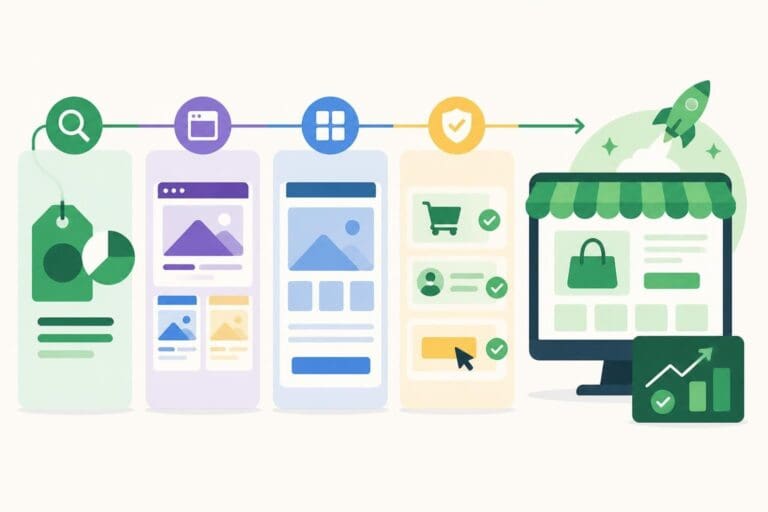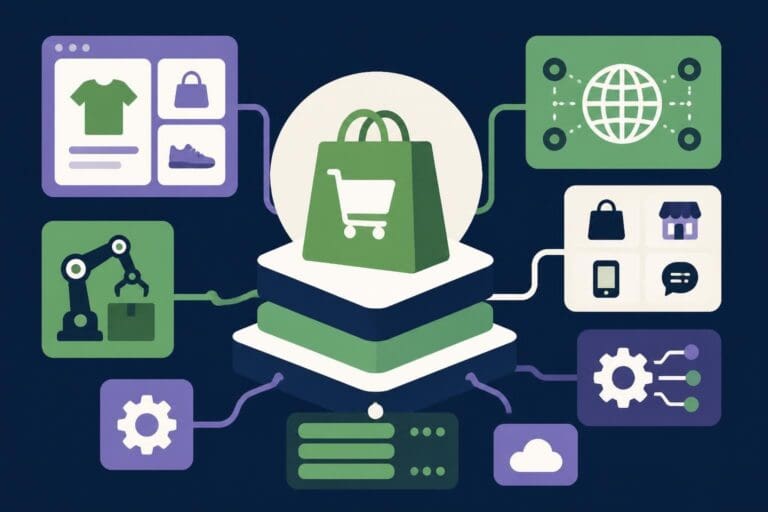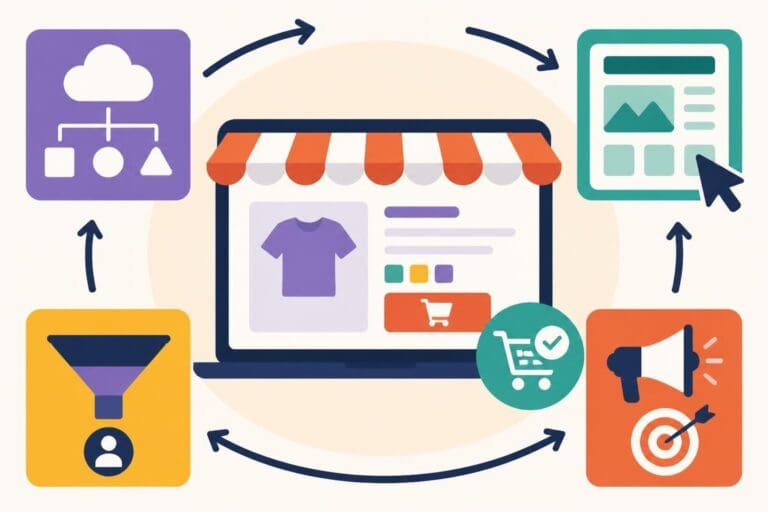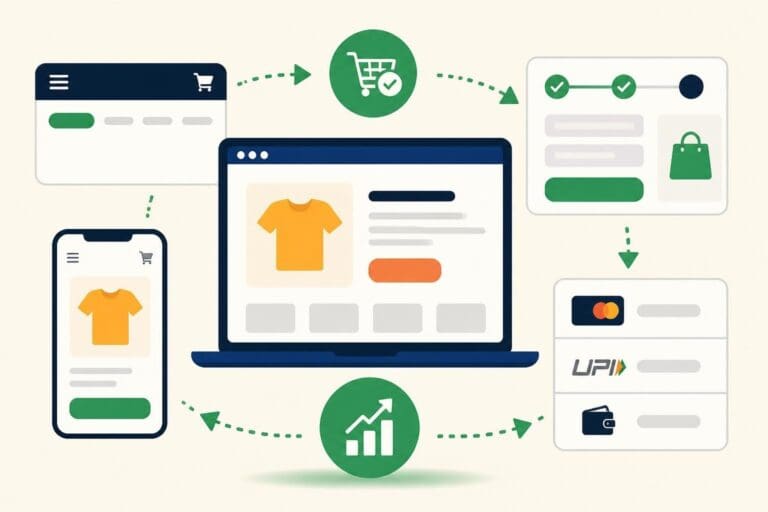
Finding the right marketing partner can transform your e-commerce business. When you search for "digital marketing agencies near me," you're taking the first step toward scaling your online store, improving conversion rates, and building sustainable growth. The challenge isn't finding options-it's identifying which agency possesses the specialized knowledge to drive measurable results for your specific business model. For Shopify store owners, this decision becomes even more critical, as your marketing efforts must align perfectly with your platform's capabilities and conversion optimization strategies.
Understanding What Digital Marketing Agencies Actually Do
Digital marketing agencies serve as external partners that manage various aspects of your online marketing strategy. These firms typically offer services ranging from search engine optimization and pay-per-click advertising to social media management and content creation.
The scope varies significantly between agencies. Some focus exclusively on specific channels like Google Ads or Meta advertising, while others provide comprehensive solutions that integrate multiple touchpoints. Understanding this distinction helps you match your business needs with the right agency capabilities.
Core Services to Expect
Most reputable agencies structure their offerings around measurable outcomes rather than vague promises. Here's what you should typically find:
- Search engine marketing including both paid and organic strategies
- Social media advertising across platforms like Facebook, Instagram, and TikTok
- Conversion rate optimization to improve website performance
- Email marketing campaigns for customer retention
- Content strategy aligned with your brand positioning
- Analytics and reporting with clear performance metrics
When evaluating digital marketing agencies near me, prioritize those that demonstrate expertise in your specific platform. E-commerce businesses built on Shopify require partners who understand the technical nuances of the platform, from tracking pixel implementation to checkout optimization.
| Agency Type | Best For | Typical Investment Range |
|---|---|---|
| Specialized E-commerce | Shopify/D2C brands | $3,000 – $15,000/month |
| Full-Service | Multi-channel campaigns | $5,000 – $25,000/month |
| Performance-Focused | Revenue-driven growth | $2,500 – $20,000/month |
Key Criteria for Selecting the Right Agency Partner
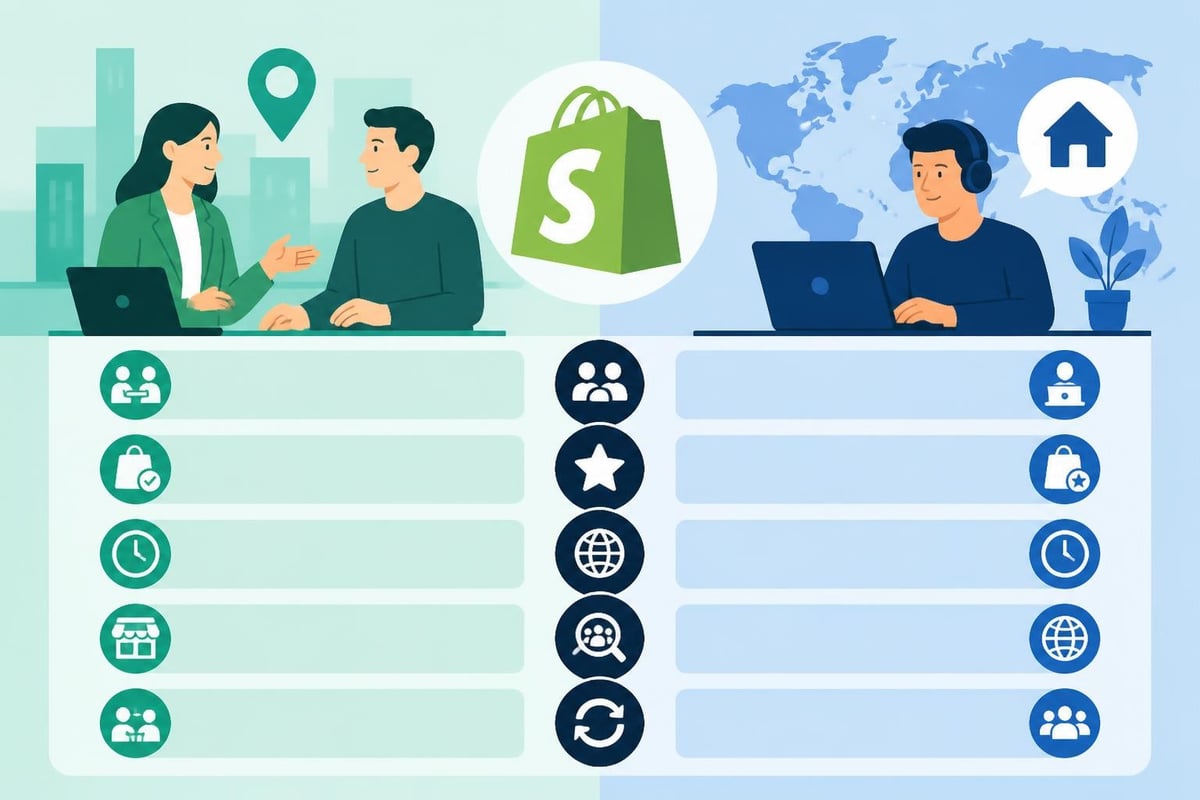
The proximity factor matters less in 2026 than it did five years ago, yet searching for "digital marketing agencies near me" still yields significant advantages. Local agencies understand regional market dynamics, can attend in-person strategy sessions, and operate within compatible time zones for real-time collaboration.
Beyond geography, focus on these essential evaluation criteria that separate exceptional agencies from mediocre ones.
Track Record with E-commerce Brands
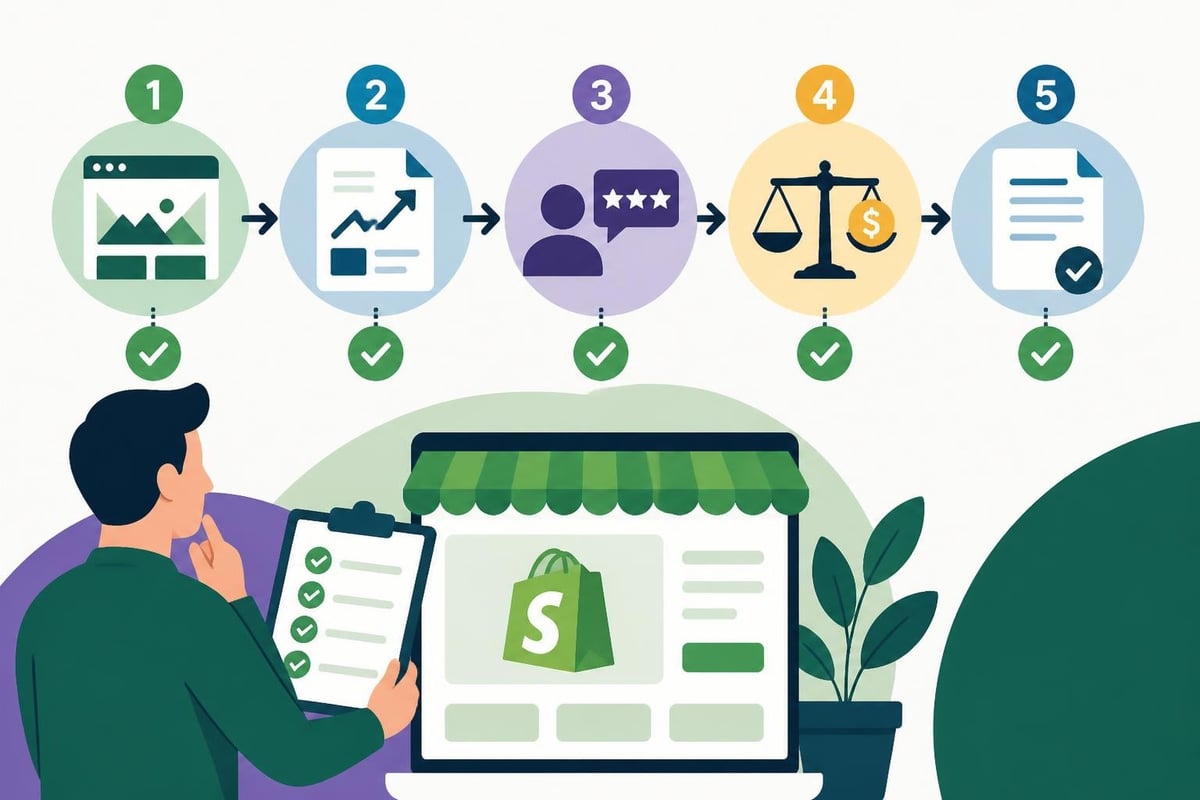
Request case studies that demonstrate actual revenue growth, not just traffic increases or engagement metrics. An agency working with Shopify stores should present examples showing improved conversion rates, increased average order values, and sustained customer acquisition at profitable margins.
Ask for specific numbers. Vague claims about "significant growth" or "improved performance" indicate either inexperience or reluctance to share results. Professional agencies document their impact through detailed reporting.
Strategic Approach vs. Tactical Execution
Many agencies excel at running campaigns but struggle with strategy development. The distinction matters because tactics without strategy waste budget on activities that don't align with business objectives.
During initial consultations, observe whether the agency asks probing questions about your business model, target audience, competitive positioning, and growth goals. Choosing the right agency partner requires evaluating their ability to think strategically rather than simply execute predetermined playbooks.
A strategic partner will:
- Audit your current marketing infrastructure before proposing solutions
- Identify gaps in your customer journey from awareness to retention
- Recommend channel prioritization based on your specific audience
- Develop testing frameworks to validate assumptions
- Create measurement systems that connect marketing spend to revenue
Red Flags That Should End the Conversation Immediately
Not every agency deserves consideration. Certain warning signs indicate fundamental problems with how they operate, deliver services, or treat clients.
Guaranteed Rankings and Unrealistic Promises
Any agency guaranteeing first-page Google rankings or specific revenue outcomes within unrealistic timeframes lacks professional integrity. Digital marketing involves testing, optimization, and continuous refinement. While experienced agencies can provide projections based on industry benchmarks, they cannot guarantee specific outcomes in competitive markets.
Promises of 500% ROI within 30 days or similar claims suggest either dishonesty or complete inexperience with actual campaign management. Professional agencies discuss realistic timelines for testing, learning, and scaling successful campaigns.
Lack of Transparent Reporting
Your marketing partner should provide comprehensive access to campaign data, performance metrics, and spending breakdowns. Agencies that restrict access to advertising accounts, analytics platforms, or performance dashboards create dependency rather than partnership.
Insist on maintaining ownership of all accounts, including:
- Google Ads and Google Analytics properties
- Meta Business Manager with full admin access
- Email marketing platforms with complete data export capabilities
- Customer data and audience segments
How Location Impacts Your Agency Selection Decision
When you search for digital marketing agencies near me, geography introduces both advantages and limitations. Understanding these tradeoffs helps you make informed decisions about prioritizing proximity versus expertise.
Benefits of Local Partnerships
Face-to-face meetings facilitate deeper strategic discussions than video calls. Complex topics like brand positioning, customer psychology, or creative direction benefit from in-person collaboration where nuance and real-time feedback accelerate decision-making.
Local agencies also understand regional market conditions, competitive dynamics, and cultural factors that influence purchasing behavior. For businesses targeting specific geographic markets, this knowledge provides tangible advantages.
When Geography Matters Less
Performance marketing on digital platforms operates identically regardless of agency location. A skilled media buyer in Austin delivers the same Meta advertising results as one in Boston when targeting identical audiences with equivalent budgets.
For Shopify businesses focused on national or international markets, specialized platform expertise typically outweighs geographic proximity. The agency's experience optimizing Shopify stores for conversion and their understanding of e-commerce customer journeys matters more than their office address.
Evaluating Agency Expertise in Shopify Marketing
Not all e-commerce platforms present identical marketing challenges. Shopify's specific architecture, apps ecosystem, and checkout processes require specialized knowledge for optimal performance marketing.
Technical Integration Capabilities
Effective marketing on Shopify demands proper technical implementation of tracking pixels, conversion APIs, and analytics platforms. Your agency must understand how to configure these elements correctly to ensure accurate attribution and campaign optimization.
Poor tracking implementation leads to inaccurate data, which produces flawed optimization decisions and wasted advertising spend. Verify that prospective agencies demonstrate technical competency through detailed discussions about tracking architecture, data layer configuration, and attribution modeling.
Platform-Specific Optimization Strategies
Shopify stores require different optimization approaches than custom-built e-commerce platforms or marketplaces. Agencies experienced with the platform understand:
- How to leverage Shopify's built-in features for conversion optimization
- Which third-party applications enhance marketing performance
- Best practices for checkout flow optimization
- Strategies for cart abandonment recovery
- Techniques for post-purchase upselling
When evaluating digital marketing agencies near me for your Shopify business, request examples of specific optimizations they've implemented. Generic e-commerce experience doesn't translate directly to Shopify expertise.
| Evaluation Factor | What to Ask | Red Flag Response |
|---|---|---|
| Shopify Experience | "How many Shopify brands have you scaled?" | Vague answers without specific examples |
| Technical Knowledge | "How do you handle iOS 14+ tracking limitations?" | Lack of detailed technical explanation |
| Conversion Focus | "What's your approach to CRO testing?" | Focus only on traffic, not conversion optimization |
The Financial Structure of Agency Partnerships
Understanding pricing models helps you evaluate proposals and compare options objectively. Digital marketing agencies near me typically structure fees in several ways, each with distinct advantages and considerations.
Retainer-Based Agreements
Monthly retainers provide predictable costs and ongoing strategic support. Agencies allocate specific hours or deliverables each month, creating consistency in execution and relationship development.
Retainer arrangements work best when you need continuous optimization, regular reporting, strategic consultation, and integrated campaigns across multiple channels. This model suits established businesses with consistent marketing budgets.
Performance-Based Compensation
Some agencies tie their fees directly to results, charging commissions on revenue generated or performance bonuses when hitting specific targets. This alignment creates powerful incentives but requires sophisticated tracking infrastructure.
Performance models demand extreme clarity in attribution methodology, baseline definitions, and measurement periods. Document everything explicitly to prevent disputes about campaign credit and commission calculations.
Hybrid Structures
Many agencies combine base retainers with performance incentives, balancing predictable agency revenue with outcome-focused alignment. This approach often delivers optimal results by ensuring agencies invest adequate time while maintaining accountability for results.
Questions That Reveal Agency Competency
Initial consultations provide opportunities to assess agency capabilities through strategic questioning. Well-prepared agencies answer thoroughly, while inexperienced firms struggle with specifics.
About Their Process
"Walk me through your first 90 days with a new e-commerce client." Strong agencies outline detailed onboarding, audit phases, strategy development, implementation, and optimization cycles.
"How do you determine which marketing channels to prioritize?" Look for data-driven frameworks rather than assumptions or channel preferences.
"What's your approach to creative testing in paid campaigns?" Agencies should discuss systematic testing methodologies with clear success metrics.
About Measurement and Accountability
Understanding how agencies measure success reveals their sophistication and alignment with business outcomes. Push beyond surface-level metrics to understand their analytical depth.
"Which metrics do you track, and how do they connect to business objectives?" Professional agencies distinguish between vanity metrics and business-driving KPIs, explaining the relationship between campaign activities and revenue outcomes.
The Role of Specialized Agencies in E-commerce Growth
Generalist marketing agencies serve broad client bases across industries. Specialized agencies focus exclusively on specific business models or platforms, developing deep expertise in narrow domains.
For Shopify store owners, specialized agencies bring significant advantages through accumulated knowledge, proven frameworks, and platform-specific insights. These firms understand the complete e-commerce ecosystem from product pages to post-purchase flows.
Integrated Development and Marketing
The most effective e-commerce growth strategies integrate website optimization with marketing execution. Agencies that combine development capabilities with performance marketing deliver superior results by addressing both traffic quality and conversion efficiency.
When your Shopify agency understands both development and marketing, they optimize the entire customer journey rather than isolated components. This integration eliminates the finger-pointing that occurs when separate agencies handle design and traffic acquisition.
Building Productive Long-Term Agency Relationships
Selecting an agency marks the beginning, not the end, of relationship development. Productive partnerships require clear communication, defined expectations, and collaborative problem-solving.
Establishing Communication Rhythms
Define meeting cadences, reporting schedules, and communication protocols during onboarding. Weekly performance reviews, monthly strategic sessions, and quarterly business planning create structure that keeps both parties aligned.
Overcommunication prevents misunderstandings that derail campaigns and damage relationships. Establish redundant communication channels and document decisions to maintain clarity.
Setting Realistic Expectations
Marketing campaigns require testing periods before generating optimal results. Unrealistic timeline expectations create pressure for premature optimization decisions that undermine long-term performance.
Professional agencies educate clients about realistic timeframes, explaining that initial campaigns gather data that informs subsequent optimization. Strategic digital marketing partners set appropriate expectations while maintaining accountability for continuous improvement.
Transitioning Between Agencies When Necessary
Sometimes agency relationships fail despite good intentions. Performance plateaus, strategic misalignment, or changing business needs necessitate transitions to new partners.
Recognizing When Change is Necessary
Several indicators suggest it's time to evaluate new options:
- Declining performance despite increased budgets or effort
- Poor communication with missed meetings or delayed responses
- Lack of innovation with repetitive strategies and stale creative
- Misaligned incentives where agency priorities conflict with business goals
- Inadequate reporting that obscures performance or hides problems
Before terminating relationships, communicate concerns explicitly and provide opportunities for correction. Many issues stem from misunderstandings rather than incompetence.
Managing Smooth Transitions
When changing agencies, maintain continuity in campaigns and data access. Transfer account ownership, export historical performance data, and ensure incoming agencies understand previous strategies and learnings.
Document everything about current campaigns, audience segments, creative assets, and performance benchmarks. This information accelerates onboarding and prevents knowledge loss during transitions.
The Future of Agency Partnerships in 2026 and Beyond
The digital marketing landscape continues evolving rapidly with privacy regulations, platform changes, and emerging technologies reshaping best practices. When evaluating digital marketing agencies near me, consider their adaptability and forward-thinking approach.
Privacy-First Marketing Strategies
iOS privacy updates, cookie deprecation, and regulatory changes fundamentally altered digital advertising. Agencies must demonstrate expertise in server-side tracking, first-party data strategies, and privacy-compliant measurement systems.
Modern marketing emphasizes owned audience development through email lists, SMS subscribers, and community building rather than exclusive reliance on third-party platforms. Your agency should prioritize strategies that reduce dependency on rental platforms.
Platform Diversification
Over-reliance on single platforms creates vulnerability when algorithm changes or policy updates disrupt performance. Sophisticated agencies build diversified channel strategies that distribute risk while maintaining efficiency.
For Shopify businesses, this means coordinating efforts across:
- Paid search for high-intent customers actively researching products
- Social advertising for audience building and brand awareness
- Email marketing for customer retention and lifetime value growth
- Content marketing for organic discovery and authority building
- Influencer partnerships for authentic social proof and reach expansion
Selecting the right marketing partner significantly impacts your e-commerce success. The agencies you find when searching for "digital marketing agencies near me" vary dramatically in expertise, approach, and results delivery. Prioritize specialized knowledge in Shopify optimization, transparent reporting practices, and strategic thinking that aligns with your business objectives. WebzPlot combines deep Shopify development expertise with performance marketing execution, creating integrated solutions that optimize both your store's conversion potential and traffic acquisition strategies. If you're ready to scale your e-commerce business with a partner who understands the complete growth equation, explore how our specialized approach delivers measurable results for ambitious Shopify brands.