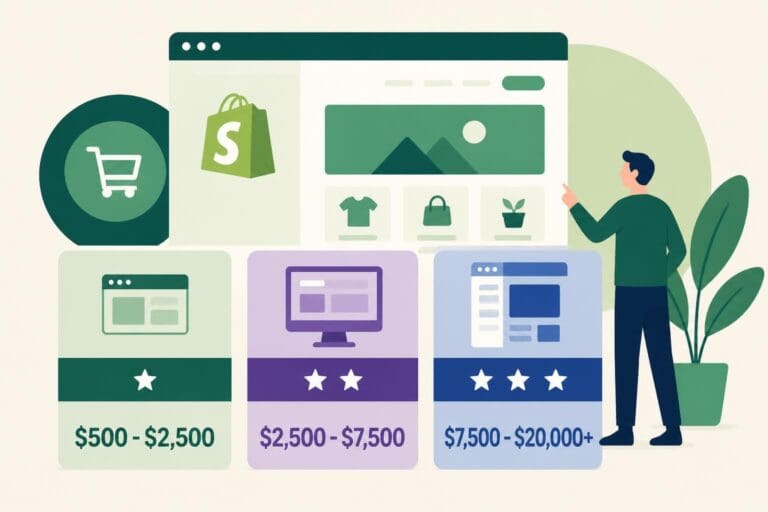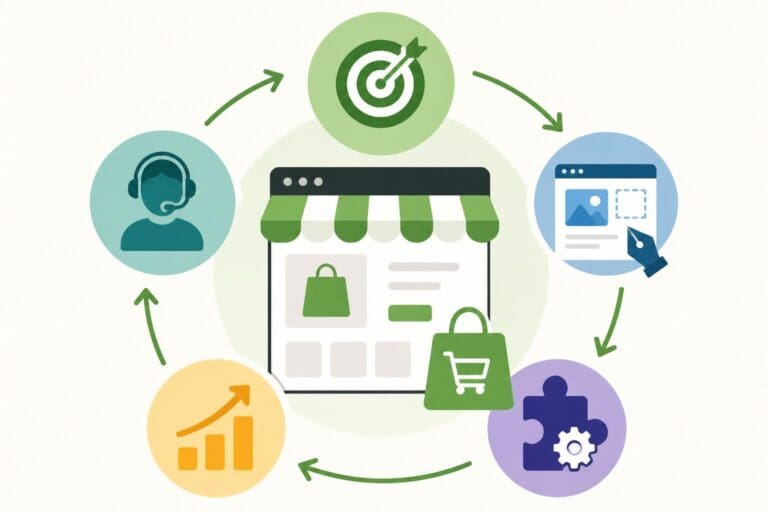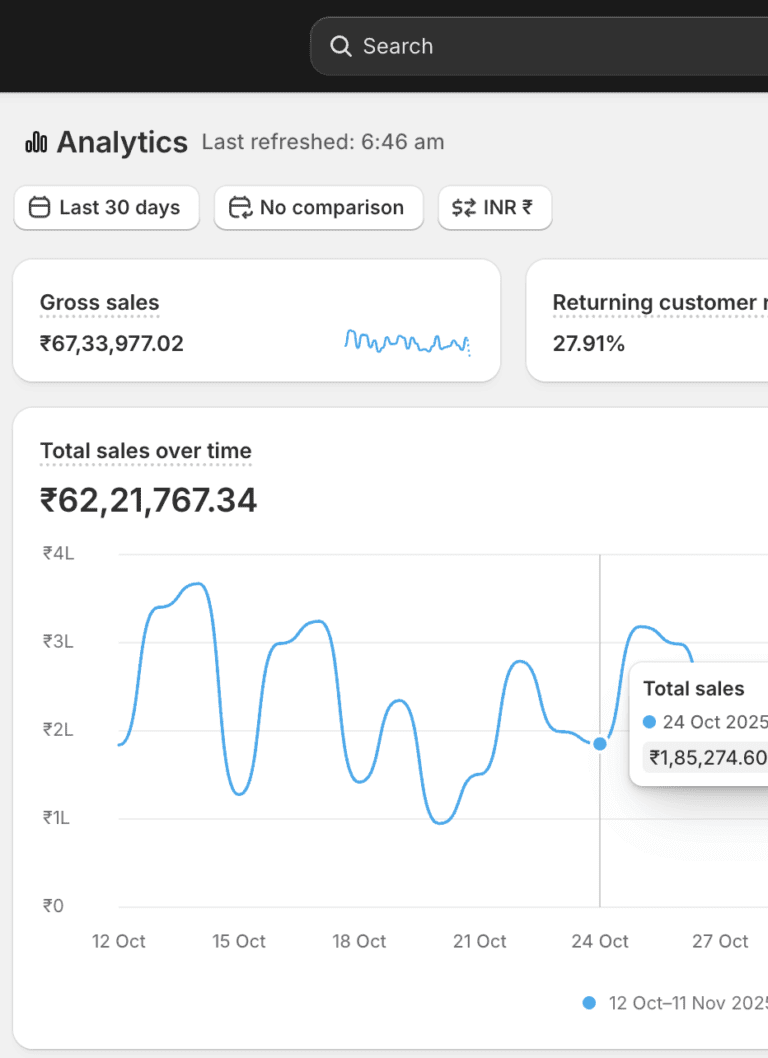
Building a successful online store requires more than just listing products and hoping for sales. A shopify ecommerce website represents one of the most powerful platforms available today for merchants who want to establish a professional online presence without extensive technical knowledge. With over 4.4 million active stores worldwide in 2026, Shopify has evolved from a simple storefront builder into a comprehensive ecommerce ecosystem that handles everything from inventory management to payment processing, making it the platform of choice for businesses ranging from solo entrepreneurs to enterprise-level brands.
Why Choose Shopify for Your Ecommerce Website
The ecommerce landscape in 2026 offers numerous platform options, yet Shopify continues to dominate the market for compelling reasons. The platform's strength lies in its balance between simplicity and functionality, allowing merchants to launch quickly while maintaining the flexibility to scale operations as their business grows.
Platform Reliability and Performance
A shopify ecommerce website runs on infrastructure designed to handle millions of transactions daily. The platform maintains 99.99% uptime, ensuring your store remains accessible to customers around the clock. This reliability becomes critical during high-traffic events like seasonal sales or product launches when downtime could mean significant lost revenue.
Key performance benefits include:
- Automatic software updates and security patches
- Built-in content delivery network (CDN) for fast page loading globally
- Level 1 PCI compliance for secure payment processing
- Automatic scaling during traffic spikes
- Mobile-optimized infrastructure by default
Shopify's hosting infrastructure removes the technical burden that traditionally plagued online merchants. Store owners no longer need to manage servers, worry about software compatibility, or troubleshoot performance issues during critical selling periods.
Comprehensive Feature Set
Every shopify ecommerce website comes equipped with tools that previously required multiple third-party services. The platform integrates essential ecommerce functions into a unified dashboard, streamlining operations and reducing complexity.
| Feature Category | Included Capabilities | Business Impact |
|---|---|---|
| Product Management | Unlimited products, variants, collections | Organize extensive catalogs efficiently |
| Payment Processing | 100+ payment gateways, Shopify Payments | Accept payments globally with ease |
| Order Management | Automated fulfillment, shipping labels | Reduce manual processing time |
| Marketing Tools | Email campaigns, discount codes, abandoned cart recovery | Drive sales without additional software |
| Analytics | Real-time reports, customer insights | Make data-driven decisions |
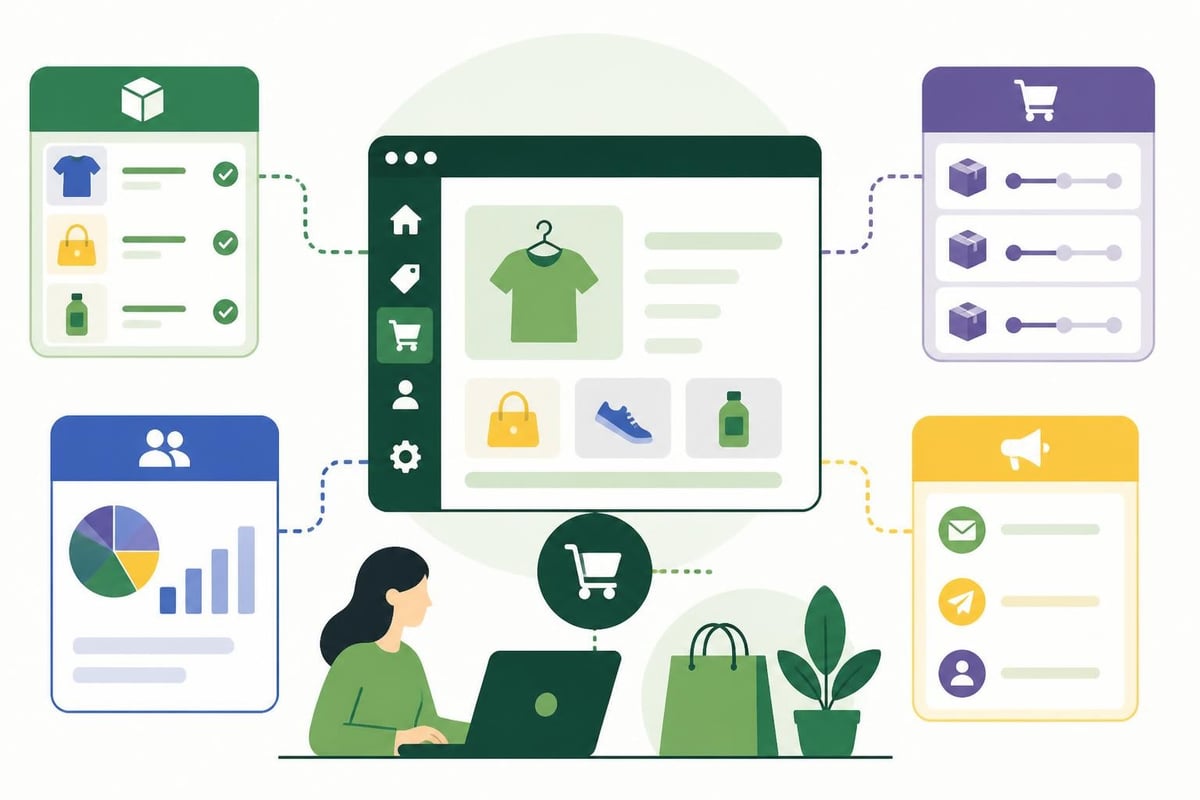
Building Your Shopify Ecommerce Website
The construction phase of your online store determines its long-term performance and conversion potential. A strategic approach to setup ensures your shopify ecommerce website attracts visitors and converts them into paying customers.
Selecting the Right Theme
Your theme choice impacts both aesthetics and functionality. In 2026, Shopify offers over 170 professional themes, with both free and premium options ranging from $180 to $400. The selection process should prioritize conversion optimization over visual appeal alone.
Consider these factors when evaluating themes:
- Mobile responsiveness – Over 70% of ecommerce traffic comes from mobile devices
- Loading speed – Themes with clean code load faster and rank better
- Built-in conversion features – Quick view, sticky cart, and trust badges
- Customization flexibility – Ability to modify layouts without coding
- Industry alignment – Themes designed for your specific product category
Many successful merchants work with specialized agencies like WebzPlot to design stores that balance brand identity with conversion rate optimization, ensuring every design element serves a strategic purpose.
Essential Store Configuration
Proper configuration establishes the foundation for smooth operations. A shopify ecommerce website requires careful attention to settings that affect customer experience, legal compliance, and business operations.
Critical configuration areas:
- Domain setup – Connect a professional domain name for brand credibility
- Payment gateways – Enable multiple payment options to reduce cart abandonment
- Shipping zones and rates – Configure accurate shipping calculations for all regions
- Tax settings – Automate tax collection based on customer location
- Legal pages – Create privacy policy, terms of service, and refund policy
- Email notifications – Customize transactional emails to match brand voice
The checkout process deserves particular attention. Shopify's optimized checkout converts at industry-leading rates, but merchants can enhance performance by enabling express payment options like Shop Pay, Apple Pay, and Google Pay. These one-click solutions reduce friction and increase completion rates significantly.
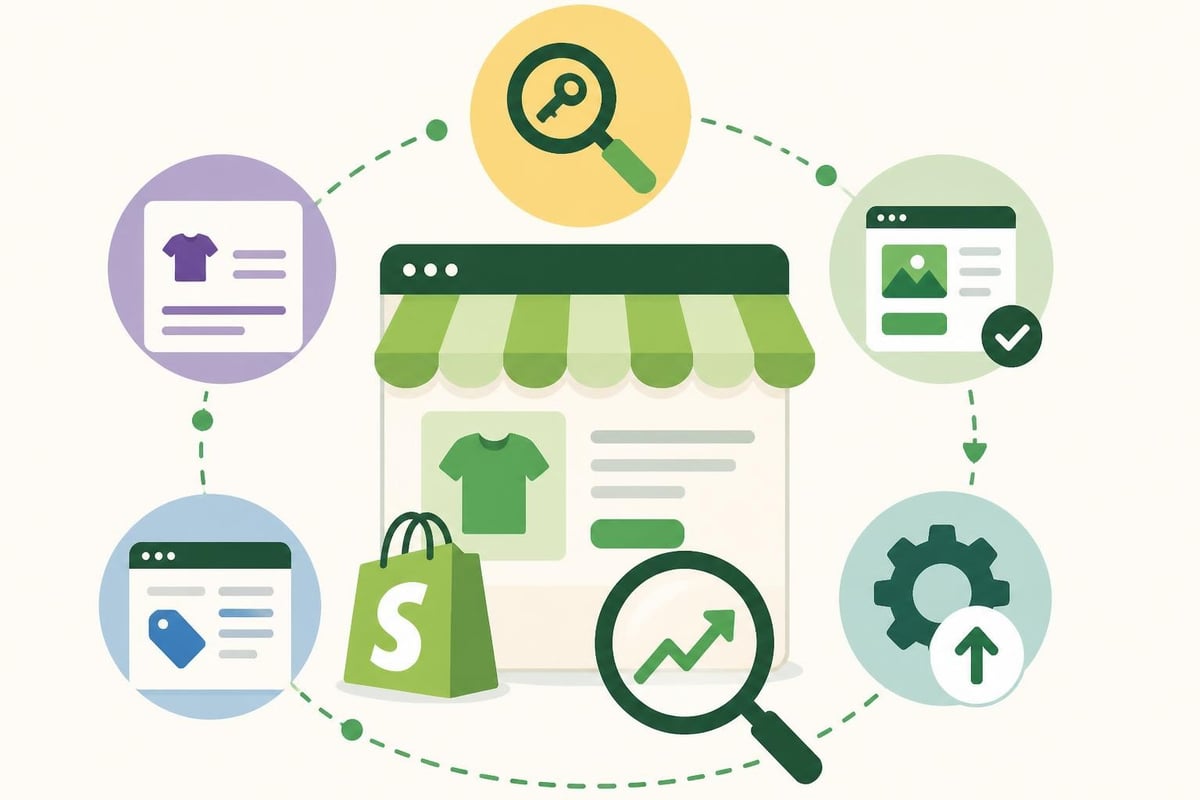
Optimizing Your Shopify Ecommerce Website for Search
Visibility in search engines directly correlates with revenue potential. A shopify ecommerce website optimized for search attracts qualified traffic without ongoing advertising costs, making SEO optimization strategies essential for sustainable growth.
Technical SEO Foundations
Shopify handles many technical SEO elements automatically, but merchants must optimize areas under their control. The platform generates clean URLs, creates XML sitemaps, and implements mobile-friendly designs by default, providing a solid technical foundation.
Required optimizations include:
- Site structure – Organize collections and products in logical hierarchies
- URL optimization – Edit default URLs to include target keywords
- Image optimization – Compress images and add descriptive alt text
- Page speed – Minimize app usage and optimize theme code
- Schema markup – Implement product schema for rich search results
Understanding structured data implementation helps search engines better interpret your product information, potentially earning rich snippets in search results that increase click-through rates.
Content Strategy for Ecommerce
Product pages represent your primary conversion points, but supporting content drives discovery. A comprehensive content strategy for your shopify ecommerce website includes multiple content types working together.
- Product descriptions – Write unique, keyword-rich descriptions that answer customer questions
- Collection pages – Optimize category pages with descriptive content and internal links
- Blog content – Create educational content targeting informational search queries
- Buying guides – Develop comprehensive resources that establish expertise
- FAQ pages – Address common objections and questions proactively
High-quality content serves dual purposes: it improves search rankings while building customer confidence. Detailed product information reduces support inquiries and returns while increasing conversion rates through enhanced clarity.
Driving Traffic and Conversions
A beautifully designed shopify ecommerce website generates zero revenue without visitors. Successful merchants implement multi-channel strategies that attract qualified traffic and convert browsers into buyers.
Paid Advertising Strategies
Paid channels provide immediate traffic while organic strategies gain traction. The most effective campaigns target customers at different stages of the buying journey with tailored messaging.
Primary advertising channels:
| Platform | Best For | Key Metrics | Average ROAS |
|---|---|---|---|
| Meta Ads | Brand awareness, retargeting | CPM, CPC, conversion rate | 3-5x |
| Google Shopping | High-intent searches | Click share, conversion value | 4-8x |
| TikTok Ads | Younger demographics | Engagement rate, video views | 2-4x |
| Pinterest Ads | Visual products, inspiration | Pin saves, outbound clicks | 3-6x |
Specialized agencies offering Shopify Plus development often provide integrated marketing services, ensuring advertising campaigns align with store capabilities and conversion optimization strategies for maximum return on ad spend.
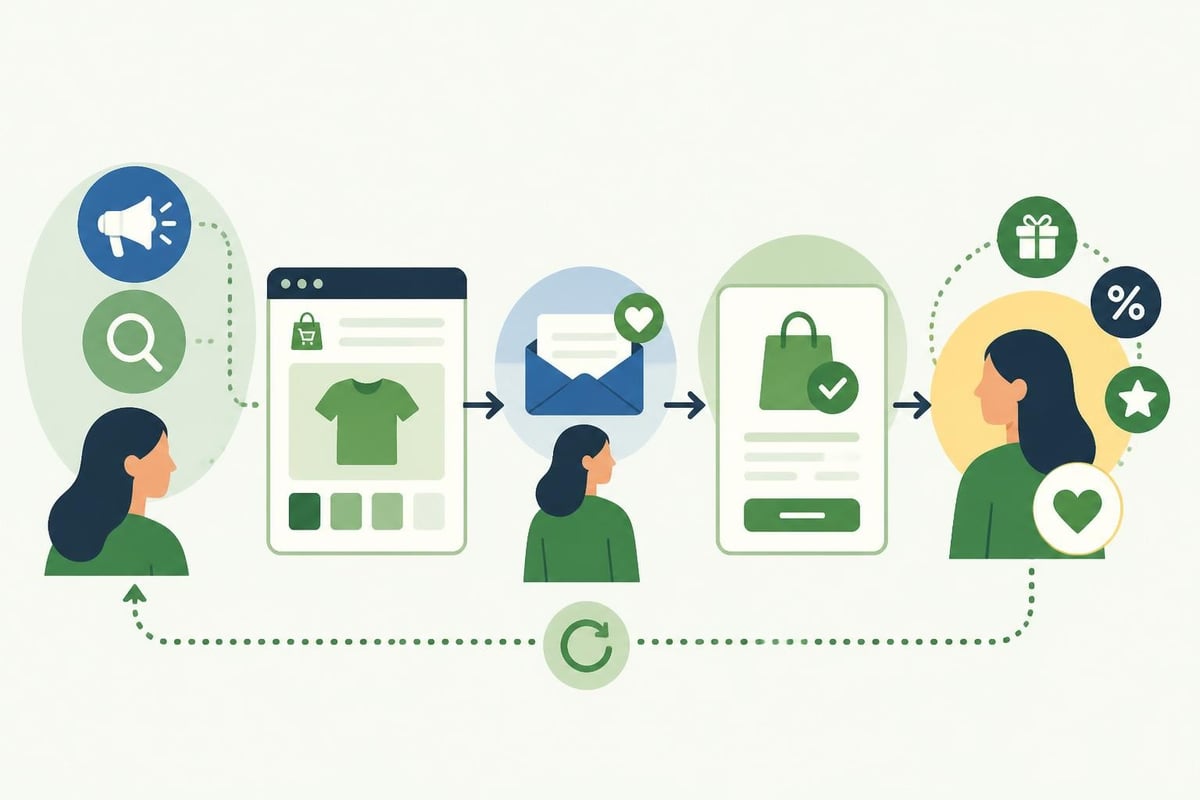
Email Marketing Excellence
Email remains the highest-ROI marketing channel for ecommerce, with average returns of $36 for every dollar spent. A shopify ecommerce website should capture email addresses at every opportunity and nurture subscribers through strategic campaigns.
Essential email flows include:
- Welcome series – Introduce new subscribers to your brand and products
- Abandoned cart – Recover sales from customers who didn't complete checkout
- Post-purchase – Request reviews and suggest complementary products
- Win-back campaigns – Re-engage inactive customers with special offers
- Browse abandonment – Follow up with visitors who viewed products
Segmentation dramatically improves email performance. Divide your list based on purchase history, browsing behavior, and engagement levels to deliver relevant messages that drive action rather than unsubscribes.
Advanced Features for Growing Stores
As your business scales, your shopify ecommerce website should evolve to support increased complexity. Advanced features unlock capabilities that separate market leaders from competitors.
Multi-Channel Selling
Modern consumers shop across platforms, and Shopify enables seamless multi-channel commerce. Integrate your store with additional sales channels to meet customers wherever they prefer to shop.
Available channels include:
- Facebook and Instagram Shops
- Amazon marketplace integration
- eBay listing synchronization
- Pinterest product pins
- TikTok Shopping
- Point-of-sale systems for retail locations
Inventory synchronizes across all channels automatically, preventing overselling while expanding your market reach. This unified approach to commerce maximizes revenue opportunities without multiplying operational complexity.
Subscription and Recurring Revenue
Subscription models generate predictable revenue and increase customer lifetime value. A shopify ecommerce website can implement subscriptions for consumable products, membership programs, or exclusive access offerings.
Benefits of subscription programs:
- Predictable monthly revenue for better cash flow planning
- Higher customer lifetime value through extended relationships
- Reduced customer acquisition costs through retention
- Opportunities for upselling and cross-selling over time
- Stronger customer relationships and brand loyalty
Apps like Recharge and Bold Subscriptions integrate seamlessly with Shopify, handling billing, shipping schedules, and customer management for subscription programs.
Conversion Rate Optimization Strategies
Traffic without conversions wastes marketing investment. A high-performing shopify ecommerce website continuously tests and optimizes elements that influence purchasing decisions.
Trust and Credibility Signals
Online shoppers need reassurance before sharing payment information. Strategic trust signals reduce anxiety and increase conversion rates across all traffic sources.
Effective trust builders:
- Customer reviews and ratings on product pages
- Security badges and payment icons in checkout
- Money-back guarantees and return policies
- Live chat support availability
- Social proof notifications showing recent purchases
- Professional product photography and videos
Display trust signals prominently throughout the customer journey, particularly on product pages and during checkout. Third-party review platforms like Yotpo and Judge.me collect and display authentic customer feedback that influences purchasing decisions.
Checkout Optimization
Shopify's checkout process converts better than most custom solutions, but optimization opportunities exist. Small improvements compound to significantly impact revenue.
Consider these checkout enhancements:
| Optimization | Impact | Implementation |
|---|---|---|
| Express checkout options | +15-20% conversion | Enable Shop Pay, Apple Pay, Google Pay |
| Guest checkout | +10-15% conversion | Allow purchase without account creation |
| Progress indicators | +8-12% conversion | Show checkout steps and completion status |
| Mobile optimization | +20-25% mobile conversion | Test checkout flow on various devices |
| Field reduction | +5-10% conversion | Request only essential information |
Testing different checkout configurations reveals what works best for your specific audience. Use Shopify's analytics and heat mapping tools to identify friction points where customers abandon their carts.
Scaling Your Ecommerce Operations
Success creates new challenges. A shopify ecommerce website supporting six-figure monthly revenue requires different infrastructure than a startup testing product-market fit.
Enterprise-Level Solutions
High-volume merchants benefit from Shopify Plus, which offers advanced features for brands processing significant transaction volumes. The enterprise platform provides enhanced customization, priority support, and exclusive features.
Shopify Plus advantages include:
- Unlimited staff accounts for growing teams
- Advanced API access for sophisticated integrations
- Exclusive wholesale channel for B2B sales
- Launchpad for automated flash sales
- Script editor for checkout customization
- Dedicated success manager and support
Brands processing over $800,000 annually should evaluate whether Shopify Plus capabilities justify the investment. Agencies specializing in enterprise Shopify solutions help businesses transition smoothly and maximize platform capabilities.
International Expansion
Global commerce represents massive growth opportunities. A shopify ecommerce website can serve international customers through features designed for cross-border selling.
Key international commerce features:
- Multi-currency support – Display prices in customer's local currency
- International domains – Create country-specific storefronts
- Localized checkout – Accept local payment methods
- Language translation – Offer content in multiple languages
- International shipping – Calculate duties and taxes automatically
Successful international expansion requires more than technical configuration. Research market-specific preferences, adapt marketing messages for cultural relevance, and ensure customer service can support multiple time zones and languages.
Measuring Success and Analytics
Data-driven decisions separate profitable stores from struggling ones. A shopify ecommerce website generates extensive analytics that reveal customer behavior, product performance, and marketing effectiveness.
Key Performance Indicators
Monitor metrics that directly correlate with business objectives. Vanity metrics may look impressive but don't necessarily indicate healthy business performance.
Critical ecommerce KPIs:
- Conversion rate – Percentage of visitors who complete purchases
- Average order value – Revenue per transaction
- Customer acquisition cost – Marketing spend divided by new customers
- Customer lifetime value – Total revenue per customer over relationship
- Cart abandonment rate – Percentage of started checkouts not completed
- Return customer rate – Percentage of repeat purchasers
Set benchmarks based on industry standards and your historical performance. Track trends over time rather than obsessing over daily fluctuations. Most ecommerce metrics improve through sustained, strategic effort rather than quick fixes.
Analytics Tools and Integration
Shopify's native analytics provide valuable insights, but sophisticated merchants integrate additional tools for deeper analysis. Google Analytics 4 offers advanced segmentation, funnel analysis, and attribution modeling.
Connect these analytics platforms:
- Google Analytics 4 for comprehensive behavior tracking
- Facebook Pixel for ad attribution and audience building
- Google Tag Manager for flexible event tracking
- Hotjar or Crazy Egg for heat mapping and session recording
- Klaviyo or Omnisend for email marketing analytics
Cross-reference data from multiple sources to validate insights and identify discrepancies. Single-source attribution often misleads, as customers typically interact with multiple touchpoints before purchasing.
Security and Compliance
Operating a shopify ecommerce website requires adherence to legal requirements and security standards. Non-compliance risks fines, lawsuits, and reputational damage that can destroy businesses.
Data Protection Regulations
Global privacy regulations like GDPR, CCPA, and similar laws mandate specific data handling practices. Shopify provides compliance tools, but merchants must configure them correctly and maintain proper documentation.
Compliance requirements include:
- Cookie consent banners for tracking technology
- Privacy policy explaining data collection and usage
- Customer data export and deletion capabilities
- Age verification for restricted products
- Terms of service outlining customer obligations
- Accessibility standards for disabled users
Consult legal professionals familiar with ecommerce regulations in your target markets. Generic templates provide starting points but may not address industry-specific requirements or regional variations.
Payment Security Standards
PCI compliance protects customer payment information from breaches. Shopify maintains Level 1 PCI DSS certification, the highest security standard, but merchants must avoid practices that create vulnerabilities.
Security best practices:
- Use strong, unique passwords for all admin accounts
- Enable two-factor authentication for team members
- Limit staff account permissions to necessary functions
- Regularly audit installed apps and remove unused ones
- Monitor for suspicious login attempts or order patterns
- Keep customer payment data within Shopify's secure systems
Never store complete credit card numbers, CVV codes, or sensitive customer information outside Shopify's encrypted systems. Payment data belongs in PCI-compliant infrastructure, not spreadsheets or email.
Building and optimizing a shopify ecommerce website requires strategic planning, continuous testing, and commitment to delivering exceptional customer experiences. The platform provides powerful tools and infrastructure, but success ultimately depends on how effectively merchants leverage these capabilities to serve their target market. Whether you're launching your first store or scaling an established brand, partnering with specialists who understand both the technical and strategic aspects of Shopify development accelerates growth and maximizes return on investment. WebzPlot specializes in creating high-converting, CRO-optimized Shopify stores that transform visitors into loyal customers through data-driven design and strategic optimization. Ready to build a store that actually drives revenue? Let's create something exceptional together.