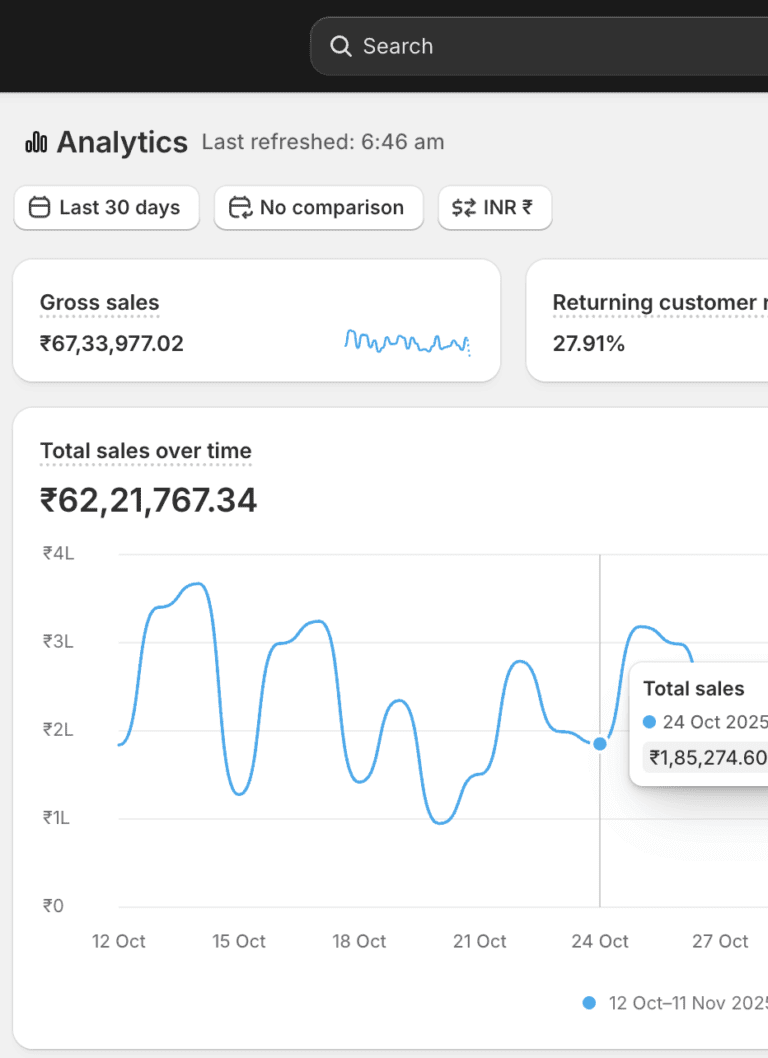
Enterprise-level ecommerce demands more than standard platforms can deliver. When your brand processes thousands of orders monthly, serves customers across multiple regions, and requires sophisticated automation, shopify plus development services become essential infrastructure. This premium tier of Shopify's ecosystem provides the advanced capabilities, dedicated support, and technical flexibility that growing businesses need to compete effectively in 2026's demanding digital marketplace.
Understanding the Enterprise Ecommerce Landscape
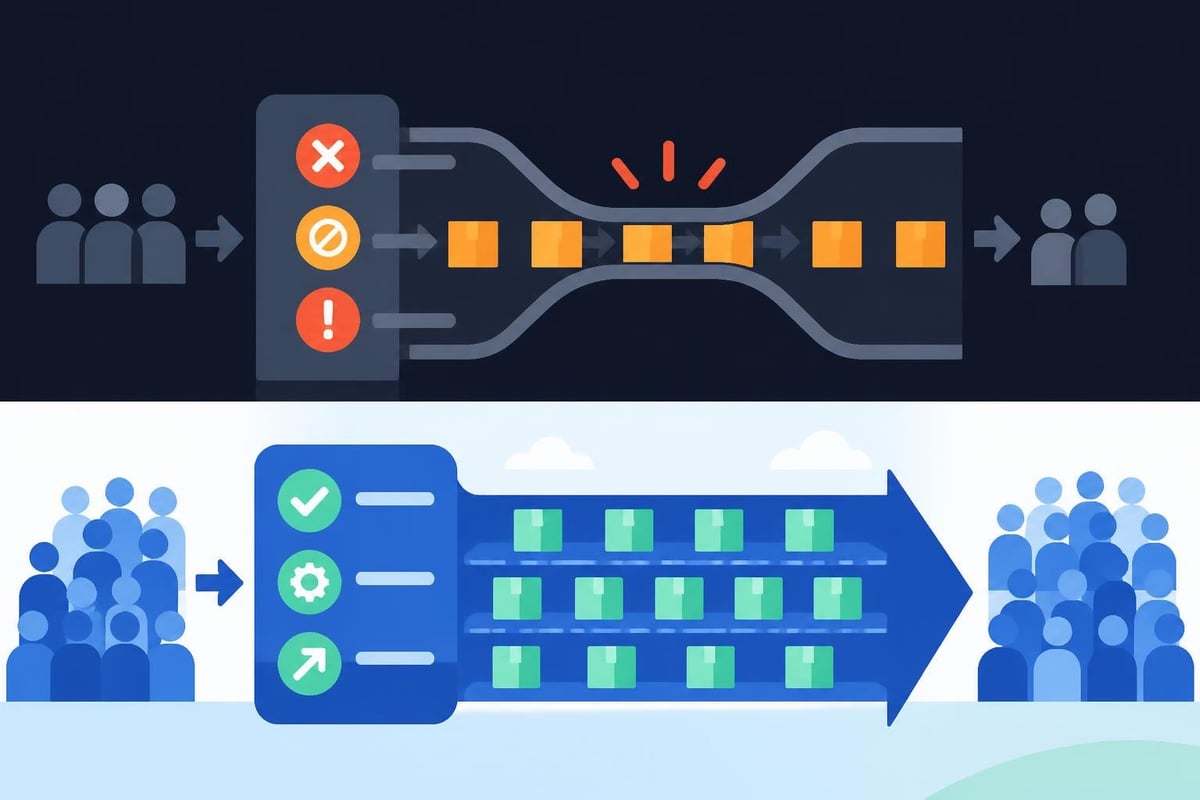
The ecommerce industry has evolved dramatically, with enterprise merchants facing unprecedented complexity. High-volume retailers must manage intricate inventory systems, coordinate multi-channel sales strategies, and deliver personalized experiences across global markets. Traditional platforms often buckle under these demands, creating bottlenecks that limit growth potential.
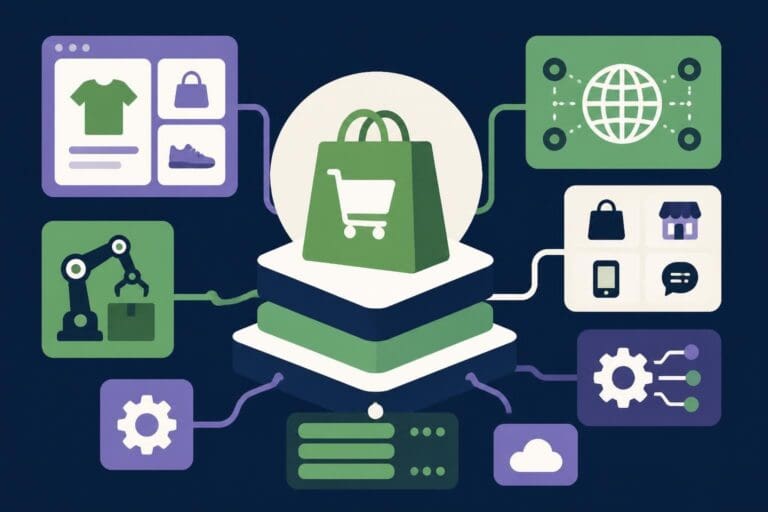
Shopify Plus addresses these challenges through architecture designed specifically for scale. The platform handles peak traffic loads exceeding 10,000 checkouts per minute, processes unlimited products, and supports transaction volumes that would overwhelm standard solutions. For businesses generating substantial monthly revenue, this reliability translates directly into reduced cart abandonment and improved customer satisfaction.
Why Standard Platforms Fall Short
Most ecommerce platforms cater to small and medium-sized businesses, prioritizing ease of use over advanced functionality. While this approach works well for emerging brands, established enterprises quickly encounter limitations:
- Transaction caps that restrict growth during peak seasons
- Limited automation requiring manual intervention for routine tasks
- Restricted API access preventing deep integrations with enterprise systems
- Generic checkout experiences that cannot be optimized for conversion
- Insufficient scalability during flash sales or viral moments
These constraints create operational inefficiencies that compound as businesses expand. Professional shopify plus development services eliminate these barriers by leveraging platform capabilities unavailable in standard tiers.
Core Capabilities That Drive Performance
Shopify Plus delivers functionality specifically engineered for high-volume operations. The platform's architecture supports sophisticated business models while maintaining the user-friendly interface Shopify pioneered. Understanding these capabilities helps merchants identify opportunities for operational improvement.
Advanced Automation Through Shopify Flow
Flow represents one of the most powerful features within the Shopify Plus ecosystem. This visual programming tool enables merchants to create complex automation workflows without writing code. Businesses can orchestrate actions across their entire operation, from inventory management to customer segmentation.
Common automation scenarios include:
- Fraud detection protocols that flag suspicious orders for review
- Inventory reordering triggers that notify suppliers when stock reaches thresholds
- Customer loyalty programs that automatically tag and reward repeat purchasers
- Multi-channel synchronization ensuring consistent product data across platforms
- Dynamic pricing strategies adjusting based on inventory levels or competitor analysis
These automations reduce manual workload while increasing operational precision. For enterprises processing thousands of daily transactions, the time savings accumulate into significant competitive advantages.
Wholesale Channel Capabilities
B2B operations require fundamentally different functionality than consumer-facing stores. Shopify Plus includes dedicated wholesale channels that separate business customer experiences from retail operations. This architecture enables enterprises to manage complex pricing structures, credit terms, and approval workflows.
| Feature | Standard Shopify | Shopify Plus |
|---|---|---|
| Separate wholesale storefront | Limited apps | Native functionality |
| Customer-specific pricing | Manual discount codes | Automated price lists |
| Minimum order quantities | Workarounds required | Built-in controls |
| Net payment terms | Not available | Fully supported |
| Bulk ordering interface | Basic cart only | Optimized B2B experience |
Organizations serving both retail and wholesale markets benefit from unified inventory management while delivering tailored experiences to each customer segment. This separation streamlines operations and improves purchasing efficiency for business buyers.
Technical Flexibility for Unique Requirements
Enterprise merchants often require functionality beyond standard platform features. Whether integrating proprietary systems, building specialized workflows, or optimizing specific conversion points, technical flexibility becomes paramount. Professional shopify plus development services provide the expertise to implement these sophisticated requirements.
Headless Commerce Architecture
The traditional ecommerce model couples the frontend presentation layer with backend commerce functionality. While this simplicity benefits standard operations, enterprises often need greater architectural flexibility. Headless commerce separates these layers, allowing developers to build completely unique customer experiences while leveraging Shopify Plus for commerce operations.
This approach enables:
- Native mobile applications that feel like dedicated apps rather than mobile websites
- Omnichannel experiences delivering consistent functionality across devices and touchpoints
- Advanced personalization using machine learning and customer data platforms
- Progressive web applications combining web accessibility with app-like performance
- Integration with existing ecosystems for brands with established digital properties
WebzPlot specializes in implementing headless solutions that maintain Shopify Plus's operational reliability while delivering exceptional customer experiences. Our Shopify Plus Development expertise ensures enterprises can pursue innovative architectures without sacrificing platform stability.
API Capabilities and Custom Integrations
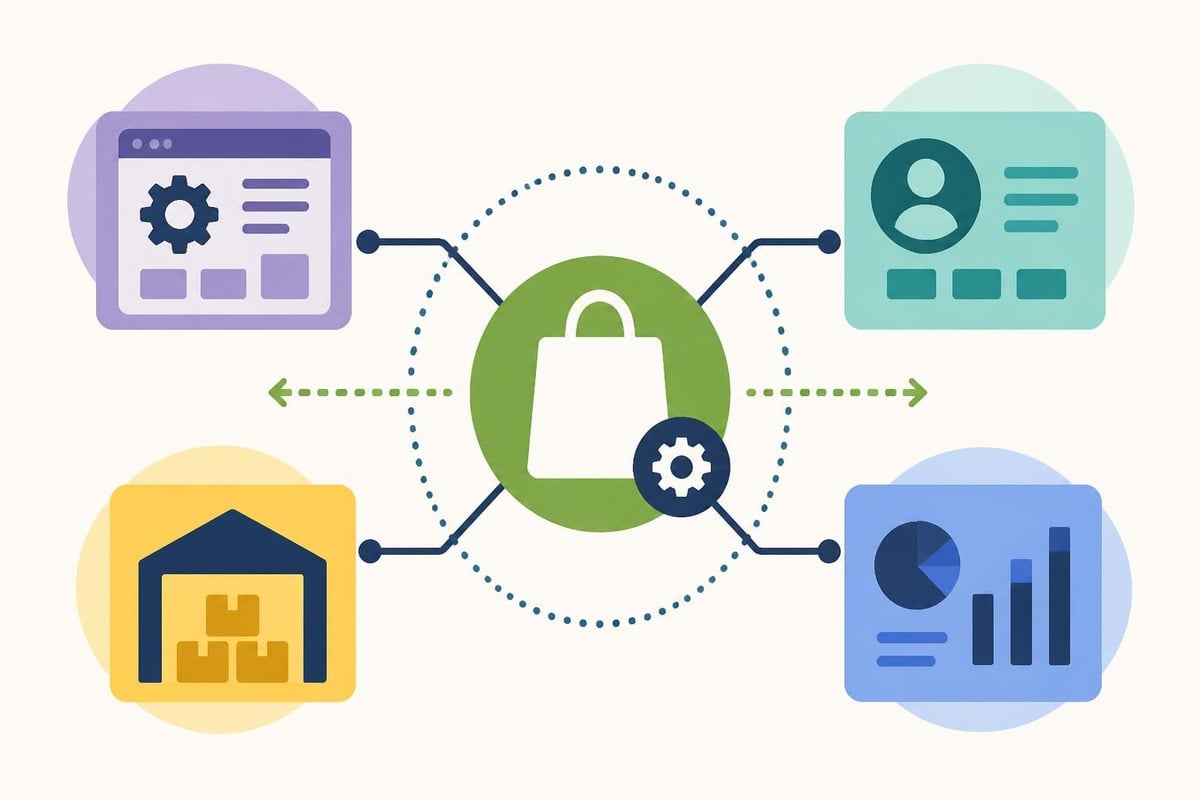
Enterprise operations rely on interconnected systems for accounting, inventory management, customer relationship management, and analytics. Shopify Plus provides robust API access enabling deep integrations with virtually any third-party platform or proprietary system.
The platform's API architecture supports:
- Real-time inventory synchronization across warehouses and fulfillment centers
- Automated financial reconciliation with enterprise accounting systems
- Customer data platform integration for advanced segmentation and personalization
- Marketing automation connectivity triggering campaigns based on purchase behavior
- Analytics platform integration aggregating data across all business operations
These integrations create unified operational ecosystems where data flows seamlessly between systems. Rather than manually transferring information or reconciling discrepancies, businesses operate with single sources of truth that reduce errors and improve decision-making speed.
Optimization Strategies That Increase Revenue
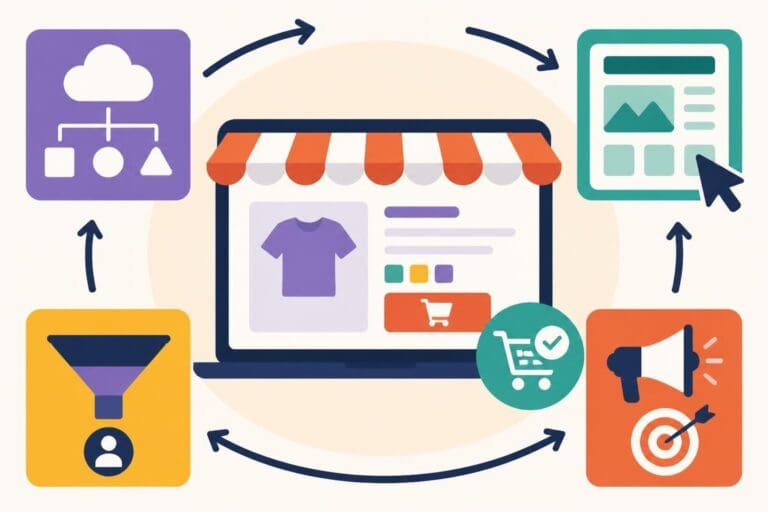
Technical capabilities mean little without strategic implementation focused on business outcomes. The most successful Shopify Plus merchants combine platform features with conversion rate optimization, creating experiences that transform browsers into buyers at higher rates than competitors.
Checkout Customization and Scripts
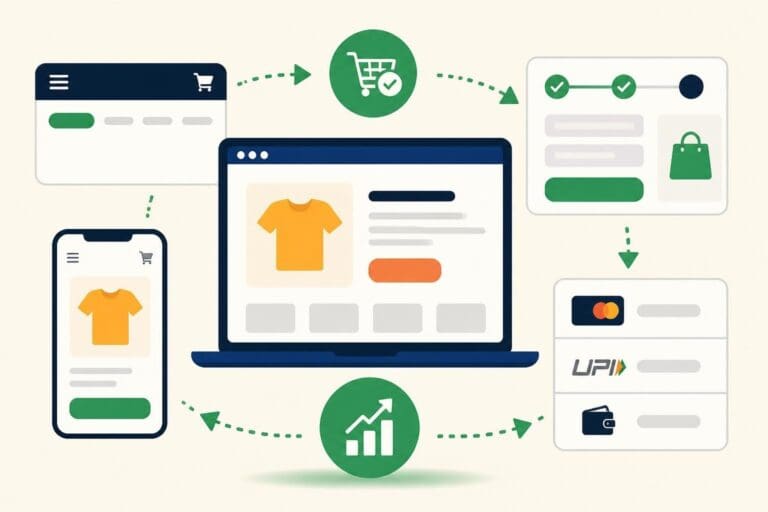
Standard Shopify limits checkout modifications to protect platform integrity and payment processing reliability. Shopify Plus removes these restrictions, enabling merchants to optimize this critical conversion point. Script Editor functionality allows businesses to implement dynamic pricing, shipping calculations, and payment options based on cart contents, customer attributes, or external data.
Strategic checkout optimizations include:
- Dynamic discount application rewarding specific customer segments or purchase combinations
- Shipping strategy customization hiding expedited options below threshold values to encourage larger orders
- Payment method prioritization displaying preferred options based on customer location or order value
- Gift messaging and packaging offering premium services that increase average order values
- Subscription conversion prompts suggesting recurring delivery for frequently purchased items
These seemingly minor optimizations compound into substantial revenue increases. Businesses processing millions in annual revenue find that even fractional conversion rate improvements generate significant additional profit.
Multi-Store and International Expansion
Global brands require localized experiences that respect cultural preferences, currency expectations, and regulatory requirements. Shopify Plus supports up to ten expansion stores within a single subscription, enabling merchants to create region-specific experiences while maintaining centralized operational control.
Each expansion store can feature:
| Aspect | Customization Options |
|---|---|
| Currency | Local pricing with dynamic conversion or fixed regional prices |
| Language | Fully translated content and navigation |
| Product catalog | Region-specific offerings based on local demand |
| Shipping options | Local carriers and delivery expectations |
| Legal compliance | Terms, privacy policies, and checkout flows meeting regional regulations |
This multi-store architecture provides significantly better customer experiences than single-store solutions attempting to serve global audiences. According to research on B2C commerce platforms, localized experiences dramatically improve conversion rates in international markets.
Partner Selection and Implementation Success
Platform capabilities only translate into business value through expert implementation. Selecting qualified development partners who understand both technical requirements and business objectives determines project success. The difference between mediocre and exceptional Shopify Plus stores often lies not in platform choice but in development quality.
Evaluating Development Expertise
Not all agencies claiming Shopify Plus proficiency possess equivalent capabilities. Enterprises should evaluate potential partners across multiple dimensions to ensure successful project outcomes.
Technical competency indicators:
- Shopify Plus Partner certification with documented project portfolio
- Experience with complex integrations matching your specific requirements
- Understanding of conversion rate optimization principles and testing methodologies
- Demonstrated ability to work within enterprise development processes and timelines
- Familiarity with your industry's specific challenges and regulatory landscape
Business acumen requirements:
- Strategic planning capabilities extending beyond technical implementation
- Understanding of ecommerce metrics and how technical decisions impact business outcomes
- Experience scaling operations from current volumes to projected growth
- Ability to recommend platform features and third-party apps that address specific challenges
- Track record of post-launch support and continuous optimization
WebzPlot combines technical Shopify Plus expertise with deep understanding of conversion optimization and business growth strategies. Our approach prioritizes measurable outcomes, ensuring every technical decision supports revenue goals and operational efficiency.
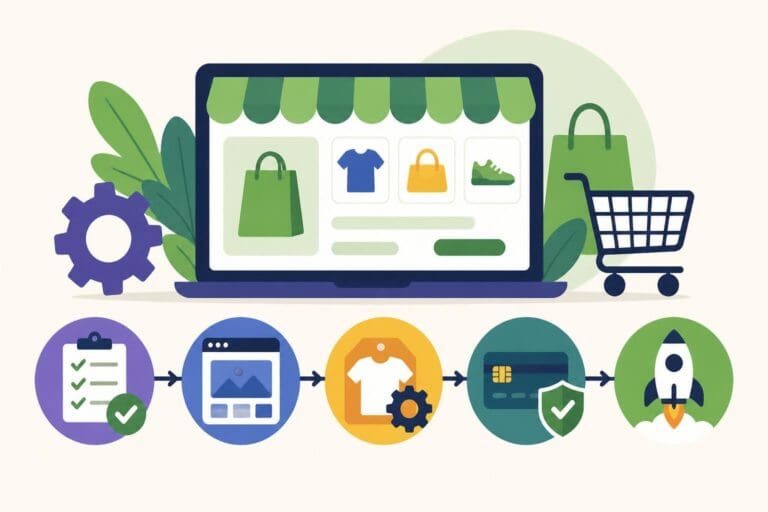
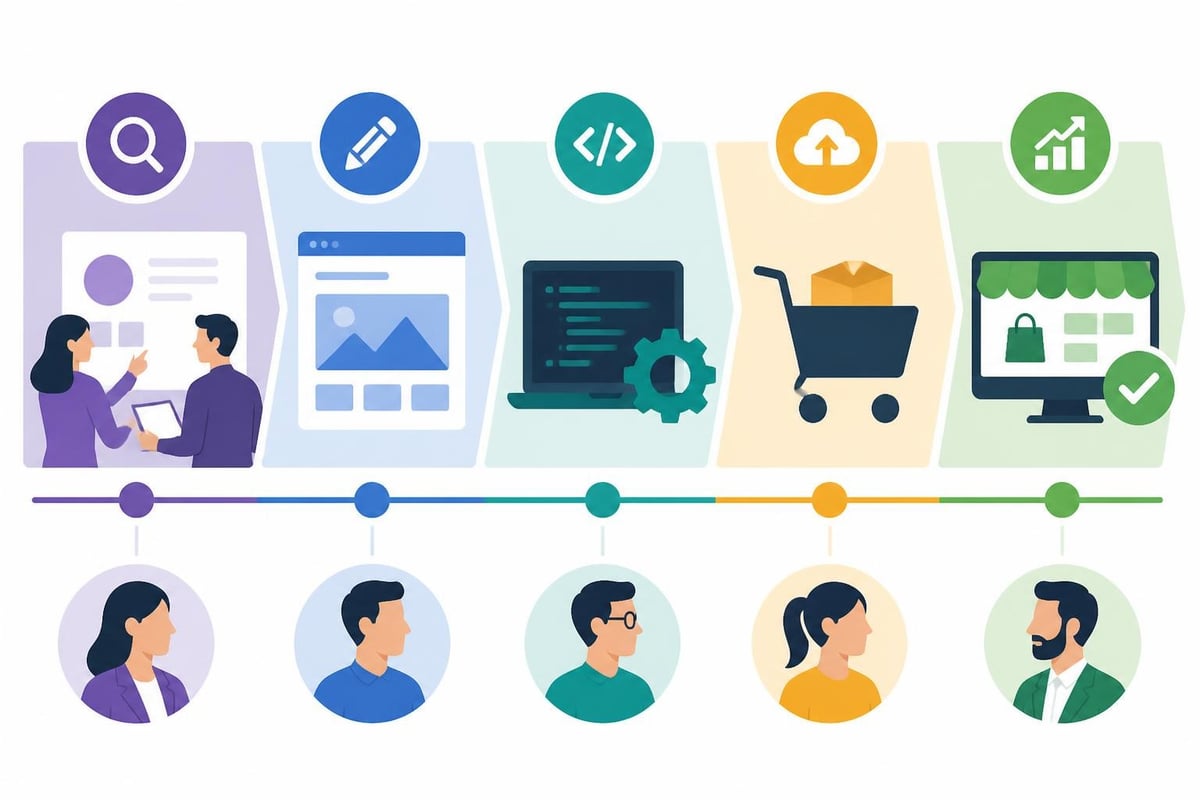
Implementation Phases and Timeline Expectations
Shopify Plus migrations and new implementations typically span several months, depending on complexity. Understanding realistic timelines helps enterprises plan appropriately and allocate resources effectively.
- Discovery and planning (2-4 weeks): Requirements gathering, technical architecture design, integration mapping
- Design and user experience (3-6 weeks): Visual design, customer journey mapping, conversion optimization planning
- Development and integration (6-12 weeks): Theme development, API integrations, automation implementation, quality assurance
- Data migration and testing (2-4 weeks): Product import, customer data transfer, comprehensive testing across scenarios
- Launch and optimization (ongoing): Deployment, performance monitoring, continuous improvement based on data
These timelines assume cooperative client engagement and reasonable project scope. Enterprises with extensive product catalogs, complex integrations, or multiple expansion stores should expect longer implementation periods.
Performance Monitoring and Continuous Improvement
Launching a Shopify Plus store represents the beginning rather than the conclusion of optimization efforts. The most successful enterprises treat their ecommerce platforms as living systems requiring ongoing refinement based on performance data and changing customer expectations.
Key Metrics for Enterprise Success
Shopify Plus provides comprehensive analytics, but knowing which metrics drive meaningful insights separates sophisticated operators from those merely collecting data. Focus measurement on indicators directly connected to business objectives.
Revenue and conversion metrics:
- Overall conversion rate and trends across traffic segments
- Average order value progression and factors influencing changes
- Customer lifetime value by acquisition channel and cohort
- Cart abandonment rates at each checkout stage
- Revenue per visitor across device types and traffic sources
Operational efficiency indicators:
- Order processing time from purchase to fulfillment
- Return and refund rates by product category
- Customer service inquiry volume and resolution time
- Inventory turnover rates and stockout frequency
- System performance during peak traffic periods
Regular analysis of these metrics identifies optimization opportunities and validates strategic decisions. Businesses committed to data-driven improvement consistently outperform competitors relying on intuition alone.
A/B Testing and Experimentation Framework
Shopify Plus's reliability enables sophisticated testing programs that refine customer experiences based on empirical evidence rather than assumptions. Establishing systematic experimentation processes accelerates learning and compounds improvements over time.
Effective testing programs prioritize:
- High-impact areas where small improvements generate substantial revenue increases
- Statistical rigor ensuring test results represent true differences rather than random variation
- Iterative refinement building on successful tests to maximize cumulative gains
- Documentation and knowledge sharing so learnings inform future decisions
- Cross-functional collaboration incorporating insights from marketing, merchandising, and customer service
Organizations that embrace experimentation culture develop competitive advantages that compound over time. Each successful test informs subsequent hypotheses, creating virtuous cycles of continuous improvement.
Security and Compliance Considerations
Enterprise merchants handle sensitive customer data and process substantial transaction volumes, making security and regulatory compliance critical priorities. Shopify Plus includes enterprise-grade security features, but merchants retain responsibility for proper configuration and ongoing vigilance.
Payment Security and PCI Compliance
Shopify Plus maintains Level 1 PCI DSS compliance, the highest certification in the payment card industry. This status means Shopify Plus handles payment data according to stringent security standards, reducing merchant compliance burden significantly.
Merchants benefit from:
- Encrypted data transmission protecting information in transit
- Secure payment processing through Shopify Payments or certified third-party gateways
- Tokenization preventing actual card numbers from being stored or transmitted
- Fraud analysis leveraging machine learning to identify suspicious transactions
- Regular security audits ensuring ongoing compliance with evolving standards
While Shopify Plus manages most security infrastructure, merchants must implement appropriate access controls, maintain secure integrations, and train staff on data protection best practices.
International Regulatory Requirements
Global expansion introduces complex regulatory landscapes varying by jurisdiction. Enterprises must navigate data protection laws, consumer rights regulations, and tax compliance requirements across all markets they serve.
Common regulatory considerations include:
- GDPR compliance for European customers requiring explicit consent and data portability
- CCPA requirements providing California residents control over personal information
- Cookie consent mechanisms meeting evolving privacy legislation worldwide
- Accessibility standards ensuring stores meet WCAG guidelines for users with disabilities
- Tax collection and remittance complying with local sales tax and VAT regulations
Professional shopify plus development services incorporate these requirements during implementation rather than retrofitting compliance afterward. This proactive approach prevents legal complications and demonstrates respect for customer privacy.
Cost Considerations and Return on Investment
Shopify Plus represents significant investment compared to standard ecommerce platforms. Monthly subscription fees start at $2,000 and increase based on gross merchandise value. Additional costs include development services, apps, integrations, and ongoing optimization. Understanding total cost of ownership helps enterprises evaluate platform suitability.
Transparent Pricing Structure
| Cost Component | Typical Range | Notes |
|---|---|---|
| Platform subscription | $2,000-$40,000/month | Based on revenue volume |
| Initial development | $50,000-$250,000+ | Varies with complexity and features |
| Third-party apps | $500-$5,000/month | Depends on operational requirements |
| Payment processing | 2.15% + $0.30/transaction | Shopify Payments rates for Plus merchants |
| Ongoing optimization | $5,000-$25,000/month | Continuous improvement and support |
While these figures appear substantial, context matters. Enterprises processing millions in annual revenue should evaluate costs against revenue impact rather than absolute expenditure. A platform generating 2% higher conversion rates quickly justifies its expense through incremental revenue.
Calculating Value Creation
Return on investment analysis should consider both quantifiable revenue improvements and operational efficiencies that reduce costs or enable growth without proportional resource increases.
Revenue enhancement factors:
- Conversion rate improvements from optimized checkout experiences
- Average order value increases through better merchandising and cross-selling
- International expansion reaching new customer segments
- Reduced cart abandonment through faster page loads and streamlined experiences
- Improved customer retention from superior post-purchase experiences
Operational efficiency gains:
- Automation reducing manual processing requirements
- Integration eliminating duplicate data entry and reconciliation
- Scalability handling traffic surges without infrastructure investment
- Multi-channel management from unified platform
- Reduced technical debt compared to heavily modified legacy systems
Enterprises that systematically measure these factors typically discover Shopify Plus delivers strong positive returns, particularly as transaction volumes increase and operational complexity grows.
Scaling Beyond Launch
The most sophisticated Shopify Plus merchants view their platforms as foundations for continuous innovation rather than finished products. As businesses evolve, customer expectations shift, and competitive landscapes change, ecommerce operations must adapt accordingly.
Building for Future Flexibility
Technical decisions made during initial implementation either enable or constrain future capabilities. Forward-thinking development prioritizes flexibility that accommodates changing requirements without requiring complete rebuilds.
Architectural best practices include:
- Modular integration design allowing system replacements without platform disruption
- Scalable data structures supporting growing product catalogs and customer bases
- API-first approaches enabling new touchpoints and experiences
- Performance optimization maintaining speed as complexity increases
- Documentation standards ensuring knowledge transfer and maintainability
These practices require additional upfront investment but prevent technical debt accumulation that eventually necessitates expensive platform migrations or complete redevelopments.
Emerging Capabilities and Innovation
Shopify continuously enhances Plus capabilities, introducing features that create new opportunities for sophisticated merchants. Staying current with platform evolution ensures businesses leverage the latest innovations rather than relying on outdated approaches.
Recent and upcoming enhancements include:
- Enhanced B2B functionality supporting complex business customer requirements
- Improved internationalization features simplifying multi-market operations
- Advanced analytics providing deeper insights into customer behavior
- AI-powered personalization delivering individualized experiences at scale
- Sustainability features helping merchants communicate environmental initiatives
Partnering with agencies that remain actively engaged with Shopify's roadmap ensures access to these capabilities as they become available, maintaining competitive positioning in rapidly evolving markets.
Shopify Plus development services provide the technical foundation and strategic expertise enterprise merchants need to compete effectively in 2026's demanding ecommerce landscape. The platform's advanced capabilities combined with professional implementation create sustainable competitive advantages through superior customer experiences and operational efficiency. WebzPlot delivers conversion-optimized Shopify Plus solutions that transform technical capabilities into measurable business growth, combining deep platform expertise with proven optimization methodologies. Ready to elevate your enterprise ecommerce operation? WebzPlot can help you unlock the full potential of Shopify Plus through strategic development and continuous optimization.